



Antique Metal Mug
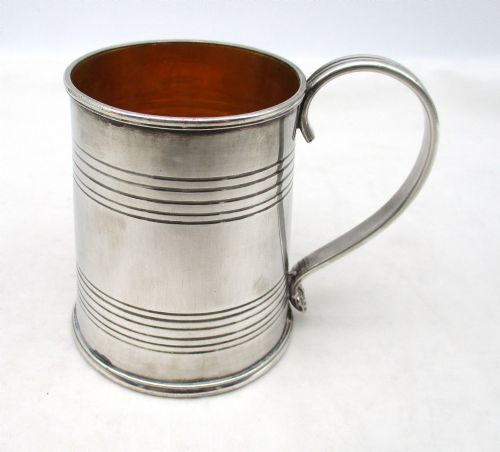
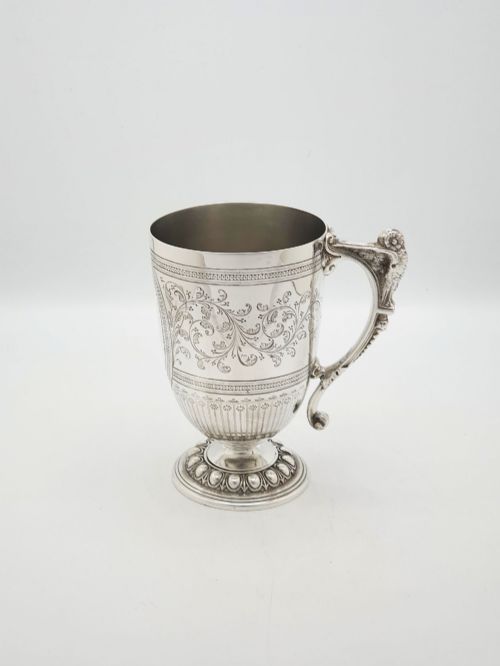
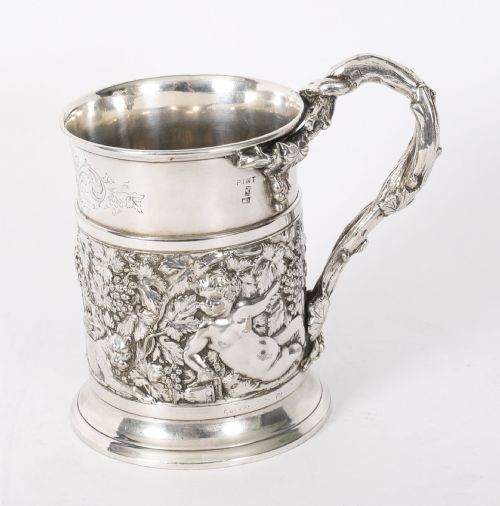
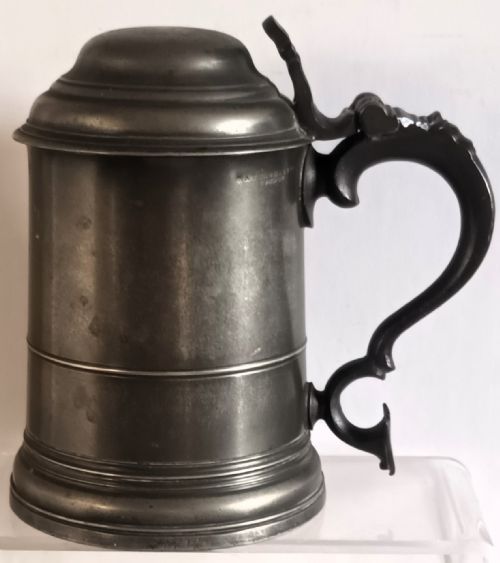
These antique metal mug pieces bring centuries of tavern and household drinking history to your table.
Antique Metal Mug
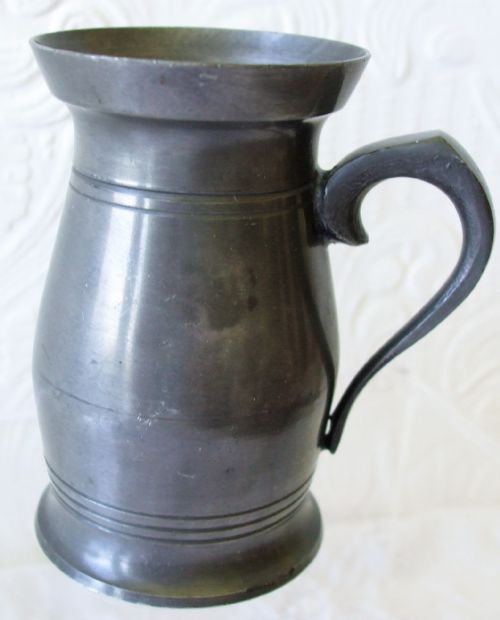
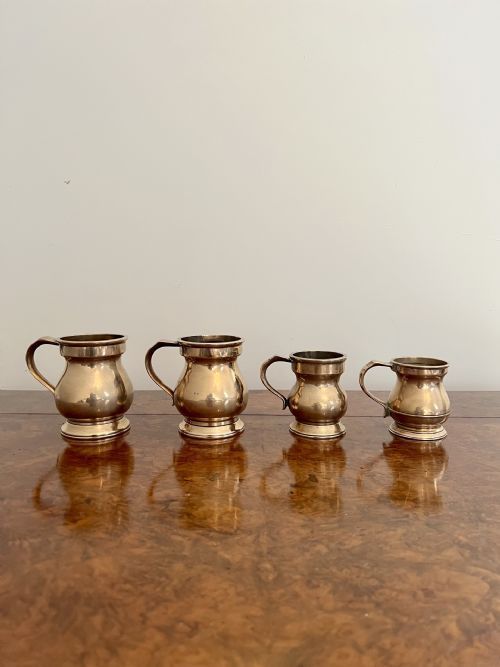
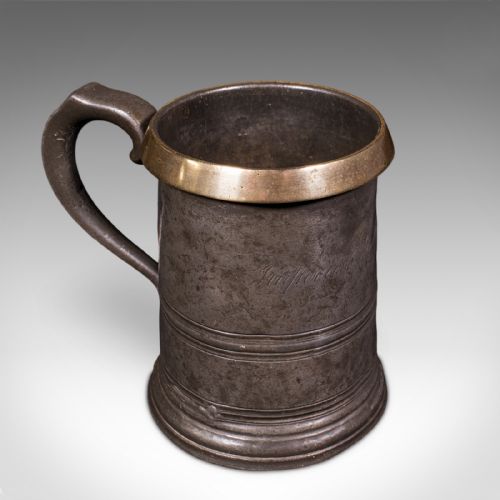
Buyers seeking an antique metal mug encounter domestic pint measures alongside substantial ceremonial flagons and sets of bell-shaped drinking vessels. Originating from English, Scottish, Irish, and continental workshops, these items reflect the metalworking traditions of their respective eras.
Materials and construction methods
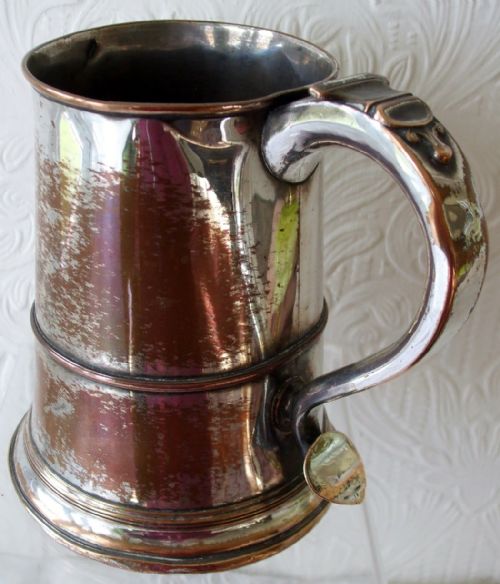
Pewter vessels rely on an alloy of tin combined with copper or lead, shaped through casting and hammering to create durable tavern tankards and lidded measures. Silversmiths worked with solid silver or applied thin layers of silver to copper bases using Old Sheffield Plate and silver plating techniques.
Makers of copper and brass drinkware utilised sheet metal forming and soldering, sometimes adding nickel-plating for a bright finish. Artisans decorated surfaces through embossing, engraving, and casting decorative elements such as owl handles or Rococo scroll work.
Listings feature pewter, silver, copper, and brass vessels spanning the eighteenth, nineteenth, and early twentieth centuries.
Quality factors in metal drinkware
Quality rests in the weight of the metal and the crispness of casting marks, distinguishing substantial tavern vessels from lighter utilitarian wares. Superior pieces display careful hand-engraving, well-fitted lids, and maker marks that verify their origin.
The integrity of silver plating on Old Sheffield Plate pieces indicates the skill of the artisan, where even wear reveals the underlying copper beneath. Form and proportion also dictate standing, with balanced baluster curves and secure handle attachments commanding attention.
G R Collis·Watts & Harton·Richard Morton·Archibald Knox for Liberty & Co·Frederic Sanders·Thomas Phillips I·Burgum & Catcott
The Antique Metal Mug Glossary
- Tankard
- A tall drinking vessel with a handle, often featuring a lid and made from pewter or silver. These vessels traditionally served ale or beer in domestic and public house settings.
- Old Sheffield Plate
- An early method of fusing a thin sheet of silver to a thicker copper base. This technique produced high-quality tableware before the invention of electroplating.
- Measure
- A standardised drinking vessel used for dispensing exact volumes of liquid in taverns. Measures often carry touchmarks or verification stamps from local authorities.
- Flagon
- A large vessel with a lid and handle used for holding liquids. Flagons typically appear in larger capacities than standard drinking mugs.
- Baluster
- A curved architectural form resembling a vase shape. In drinkware, it describes mugs with a rounded lower body tapering upward.
Antique Metal Mug: Frequently Asked Questions
What is a pewter quart tankard?
A pewter quart tankard is a large drinking vessel holding two pints of liquid, constructed from a tin alloy. These heavy pieces saw extensive use in British public houses.
Many examples feature verification marks and maker touches from prominent metalworking firms. Their robust construction allowed them to withstand daily tavern service.
How do I identify Old Sheffield Plate?
Old Sheffield Plate items consist of a copper core fused with a thin layer of silver. Closer inspection often reveals a faint hint of copper showing through high points.
This technique predates nineteenth-century electroplating methods and possesses a distinct tactile quality. Makers utilised this process to create luxury tableware at a lower cost than solid silver.
What are lidded measures used for?
Lidded measures served to pour and serve exact quantities of ale or spirits in historical drinking establishments. The hinged lid kept contents covered between servings.
Capacity stamps on these vessels indicate compliance with local trade measurements. They remain collected today for their functional history.
How do I care for antique metal mugs?
Antique metal mugs require gentle cleaning with mild soap and soft cloths to preserve their historic surfaces. Avoid harsh chemical polishes that strip away age-related patina.
Display these vessels in stable environments away from excessive moisture and direct sunlight. Proper handling prevents damage to delicate handles and hinges.