

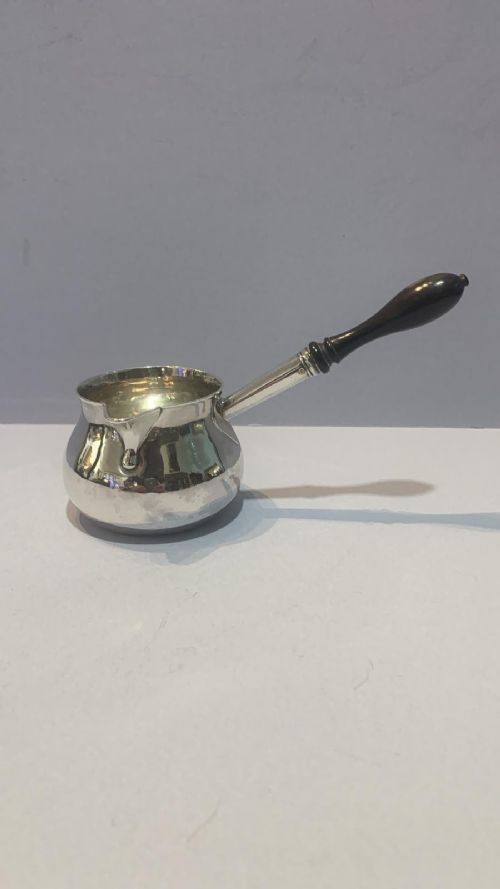


Georgian Silver Barware
Georgian silver barware brings the robust practicality of eighteenth-century drinking customs straight to the modern table.
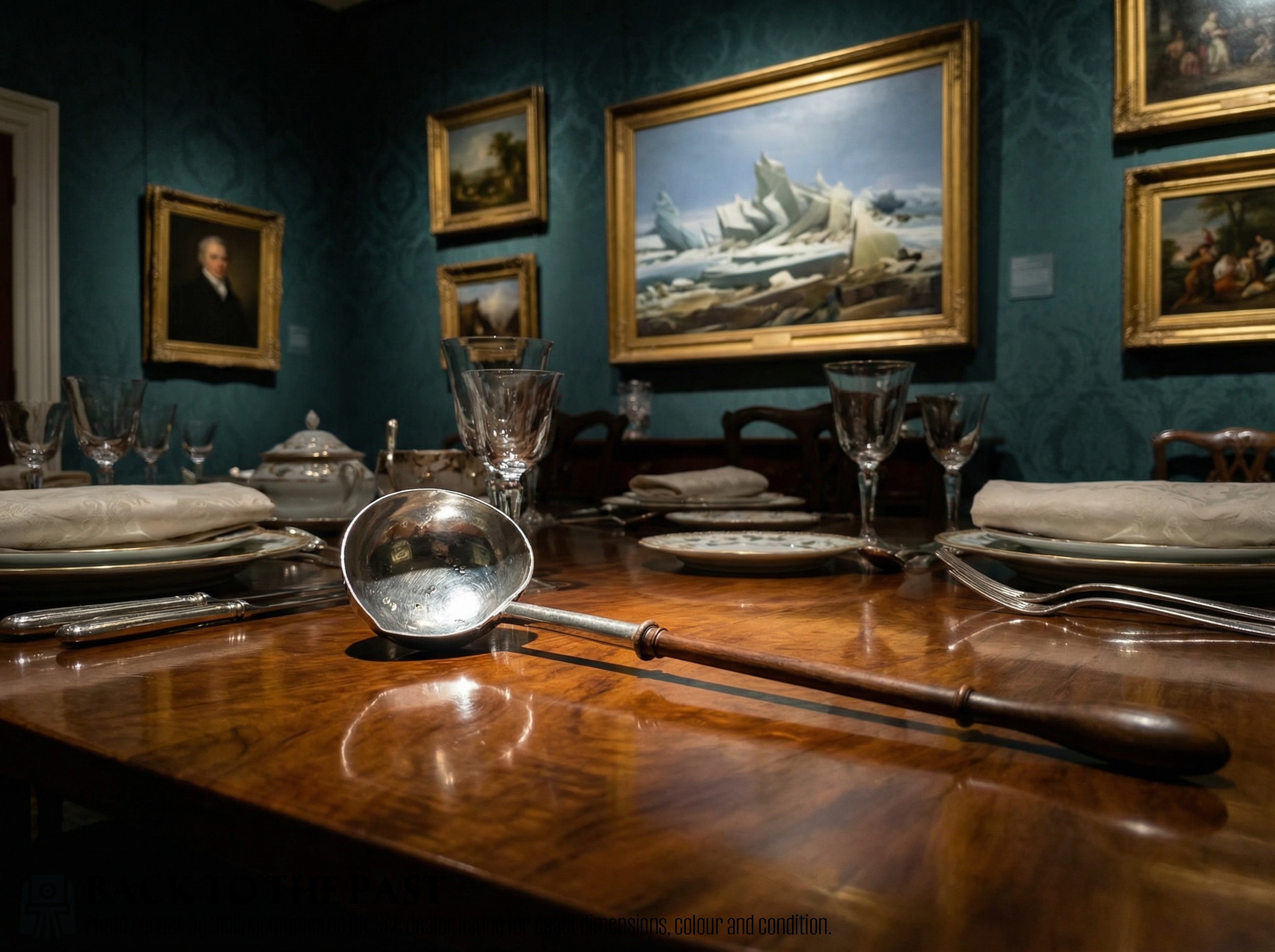
What georgian silver barware is
When you search for georgian silver barware, you encounter pieces designed specifically for serving wine, spirits and punch during the eighteenth century and the broader Georgian era. The selection spans utilitarian vessels for the dining table and tavern counter alike.
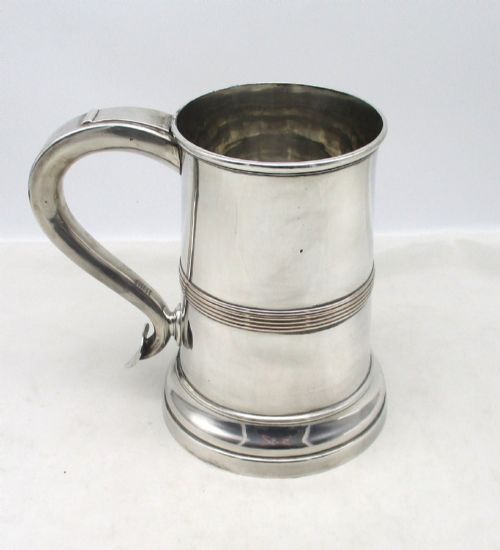
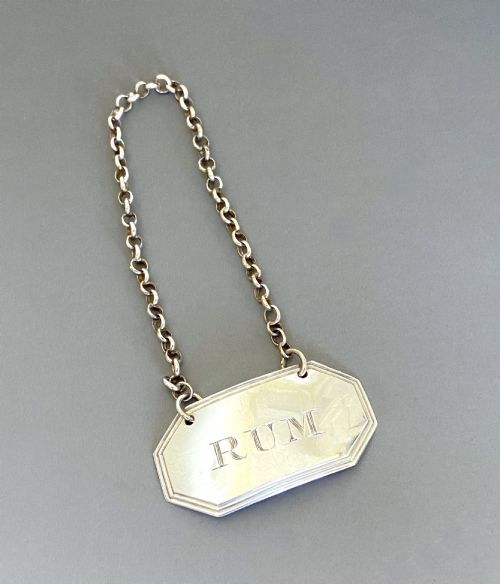
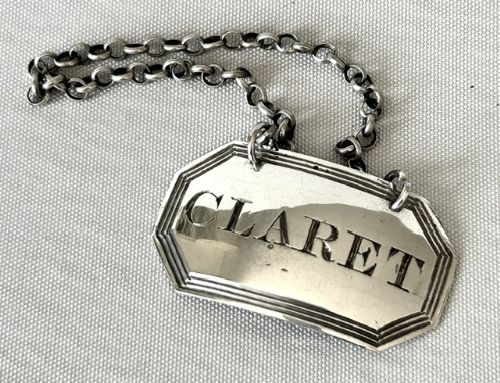
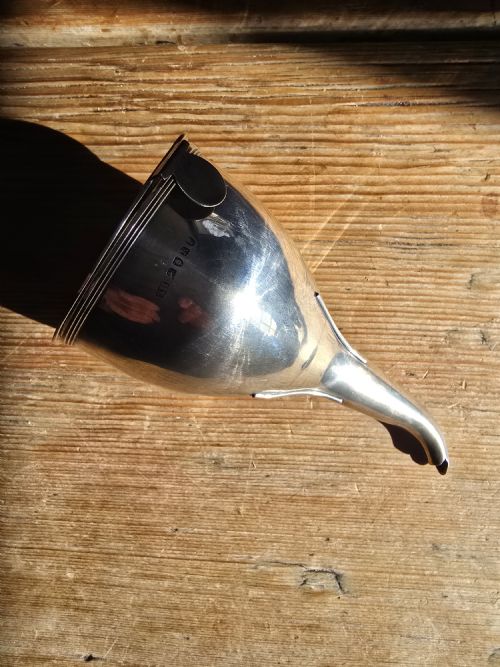
The most common forms you meet on this page are toddy ladles, tankards, wine funnels and bottle labels. These objects reflect the heavy drinking culture of the period, where wine and punch were poured, strained and portioned with considerable ceremony.
Makers of the period produced both solid sterling silver examples and items utilising Old Sheffield plate or copper. Each piece reveals the distinct functional demands of eighteenth-century hospitality, from pouring hot toddy to decanting port.
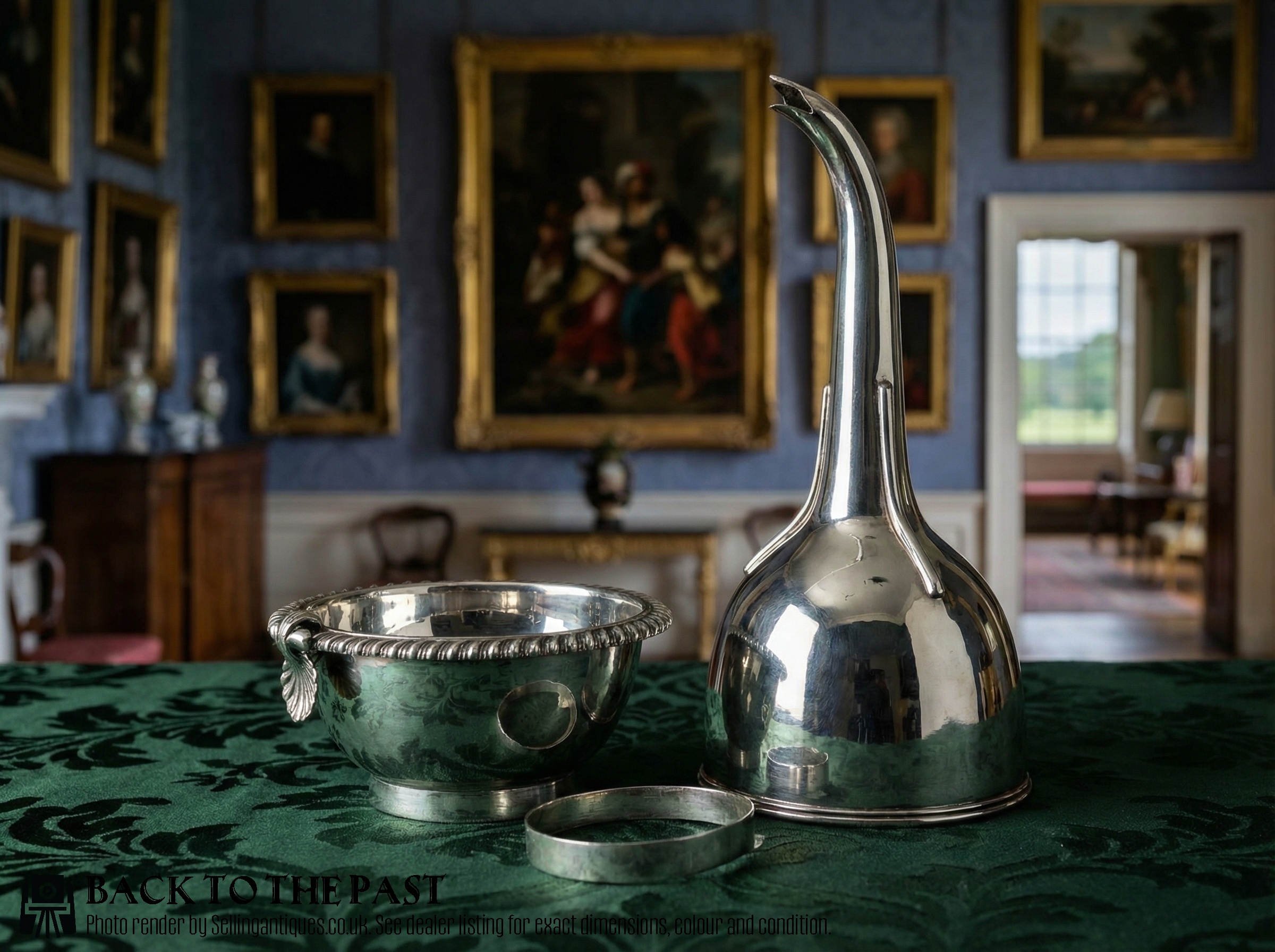
How georgian silver barware was made
Silversmiths utilised sterling silver and solid silver alongside alternative metals such as copper and Old Sheffield plate. Toddy ladles frequently combined silver bowls with turned wood handles, creating a comfortable grip for handling hot liquids.
Tankards and wine funnels relied on skilled raising, hammering and soldering techniques to shape heavy metal sheets into watertight vessels. Multi-part wine funnels incorporated removable straining inserts secured by precise fitting and hinges.
Surface ornamentation remained minimal on utilitarian barware, with makers prioritising structural durability and smooth interior surfaces for easy cleaning. Hallmarks were stamped directly into the metal to certify standard and origin.
Retail Price Guide 2026
Typical UK retail prices for georgian silver barware, calculated from the Sellingantiques database of over a million retail prices indexed since 2003. This retail price guide relies exclusively on Sellingantiques data; no external sources or auction records are used, so the figures do not describe the wider market.
Listings feature items spanning the eighteenth century and the Georgian period, executed in sterling silver, wood, copper and Old Sheffield plate.
What varies in quality
Quality in these pieces rests upon gauge and substance, where heavier metal weight provides both structural longevity and a reassuring heft in the hand. Thicker silver withstands decades of polishing and use without thinning at the edges.
The integrity of construction separates standard items from finer examples, particularly in multi-part objects like wine funnels where joints and removable inserts must fit with absolute precision. Makers who invested care in the invisible joins produced pieces that endure.
Preservation of original maker marks and clear hallmarks adds historical clarity and confirms the authenticity of the material. Pieces that retain crisp details without excessive wear from past cleaning sit at the upper end of the range.
The Georgian Silver Barware Glossary
- Toddy ladle
- A small serving spoon with a deep bowl, often featuring a twisted whalebone or turned wood handle, used for ladling hot punch or whisky toddy.
- Old Sheffield plate
- A composite material made by fusing a thin sheet of silver to a thicker copper base, developed in the eighteenth century as a more affordable alternative to solid silver.
- Wine funnel
- A multi-part funnel utilised for decanting wine into bottles or decanters while straining out sediment through a removable perforated insert.
- Tankard
- A large, heavy drinking vessel with a single handle, produced in silver or plated metals for hearty consumption of ales and fermented drinks.
- Hallmark
- A series of official stamps applied to precious metal items to guarantee the purity of the silver and identify the assay office and maker.
Frequently Asked Questions
What is georgian silver barware?
Georgian silver barware comprises drinking accessories, serving vessels and decanting tools produced during the eighteenth century and the broader Georgian period. These items include toddy ladles, tankards and wine funnels fashioned from sterling silver or Old Sheffield plate.
Such pieces served the dining rooms and taverns of the era, facilitating the social rituals surrounding wine, spirits and punch.
How do I clean antique silver barware?
Cleaning antique silver requires gentle washing with warm water and mild soap, followed by thorough drying with a soft cloth. Avoid abrasive cloths or harsh chemical dips that strip the natural patina accumulated over centuries.
Store pieces in dry environments and use specialised silver polish sparingly only when tarnish obscures the underlying metal.
Can I use these barware items today?
Many solid silver and plated barware items remain entirely functional for modern serving and entertaining. Toddy ladles and wine funnels perform their original tasks just as well today as they did centuries ago.
Careful handling ensures these historic objects continue to participate in contemporary gatherings without sustaining damage.
How do I identify eighteenth century pieces?
Identifying eighteenth century pieces involves examining the physical hallmarks stamped into the metal, which record the assay office and date letter. Stylistic markers such as hand-hammered seams and wooden handles also point toward the period.
Comparing construction methods with documented examples helps confirm whether a piece belongs to the 18th century or later revival periods.