
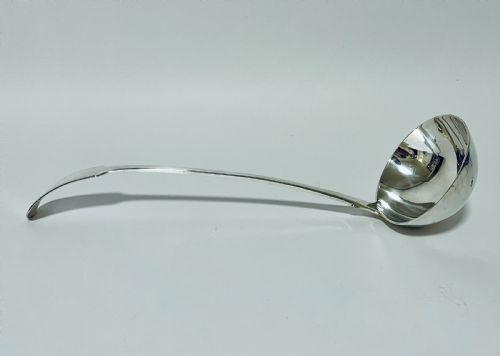
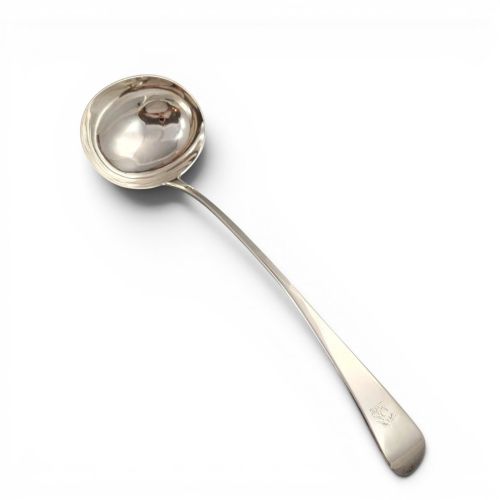

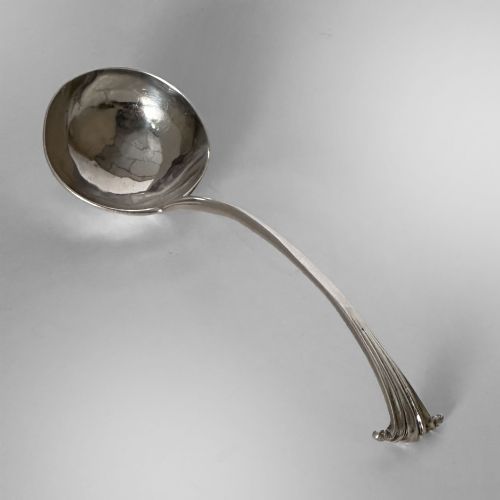


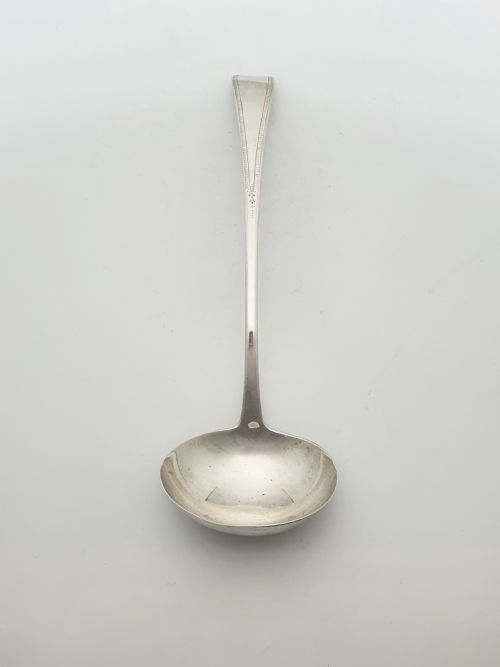


Georgian Punch Ladle
A georgian punch ladle brings the spirit of eighteenth-century entertaining straight to the table, offering a deep silver bowl to serve drinks with style.
What these ladles are
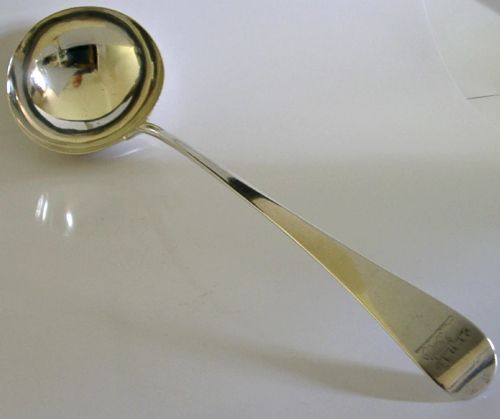
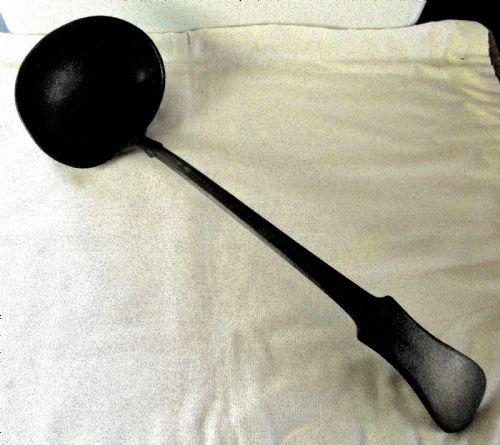
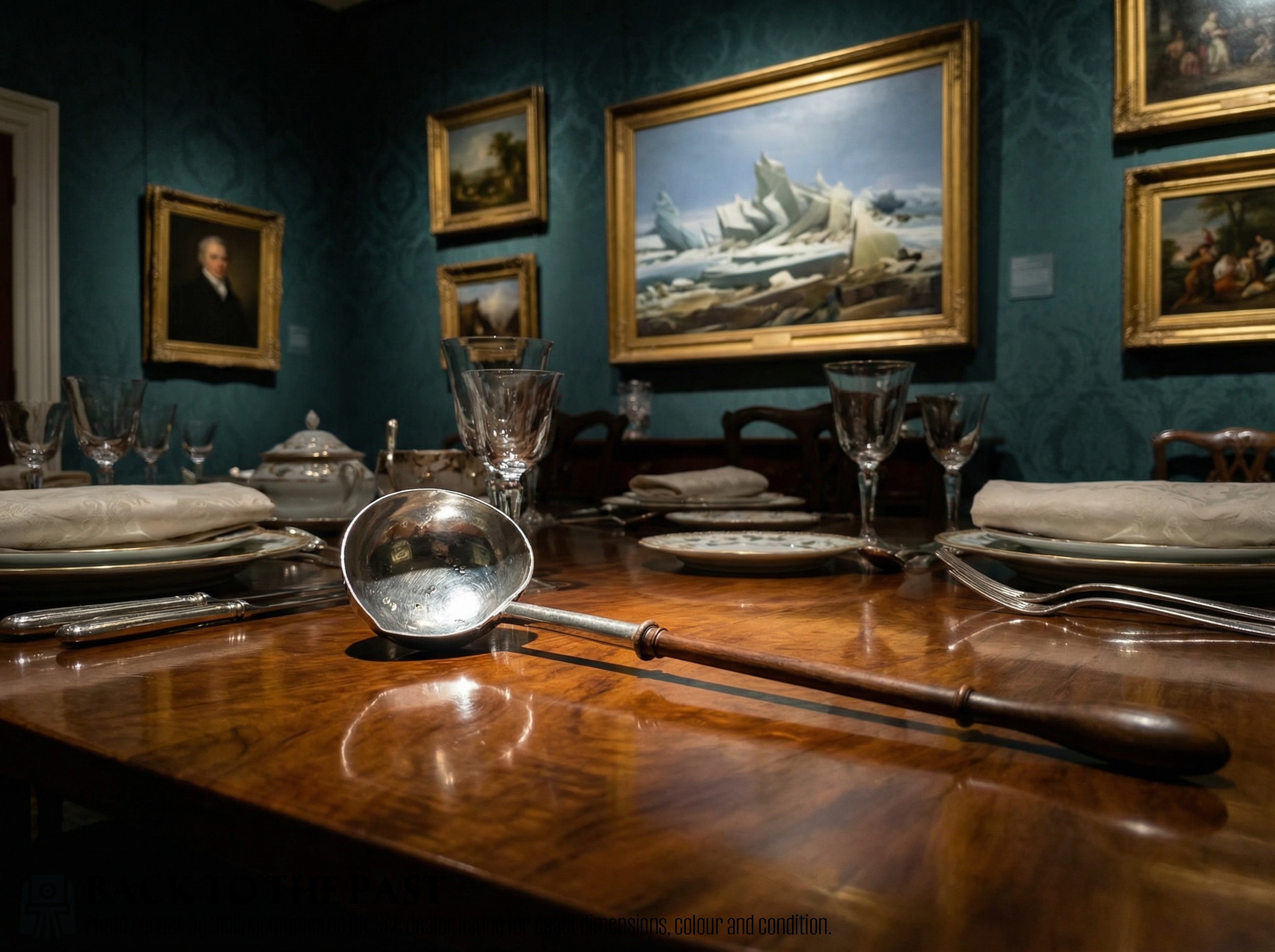
A georgian punch ladle stands as a classic drinking accessory from the eighteenth century, designed to serve punch from a bowl into individual cups. These pieces typically take the form of a toddy ladle or serving spoon, measuring longer than standard cutlery to reach the bottom of large vessels.
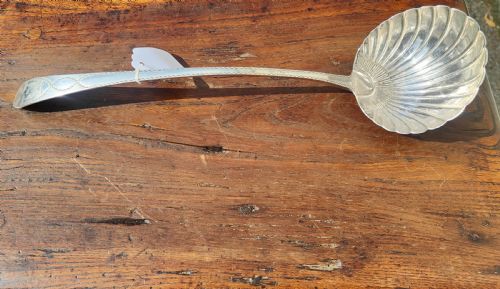
The examples found here span the georgian period and the eighteenth century, capturing the domestic habits of the era. Buyers encounter variations that include scalloped shapes and bowls inset with coins, connecting the tableware of the time directly to currency.
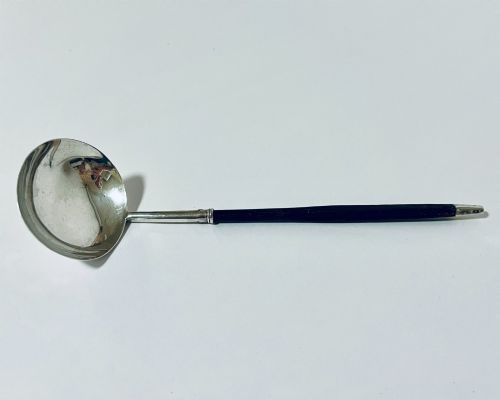
Makers shaped these items in sterling silver, often pairing the metal with a twisted or straight wooden handle for grip and balance. Such details define the core inventory available to collectors today.
Materials and construction
Silversmiths forged these pieces primarily from sterling silver, shaping the bowls through hammering and soldering while incorporating silver gilt accents in specific designs. Hallmarks stamped into the metal record the assay office and date of creation, providing a secure method of attribution.
Wooden elements appear frequently as long handles, attached securely to the silver bowl to insulate the hand from warm liquids. This combination of timber and precious metal required careful joinery, blending organic material with durable smithing.
Retail Price Guide 2026
Typical UK retail prices for georgian punch ladle, calculated from the Sellingantiques database of over a million retail prices indexed since 2003. This retail price guide relies exclusively on Sellingantiques data; no external sources or auction records are used, so the figures do not describe the wider market.
Some ladles incorporate coins minted decades before the silver bowl itself, creating miniature time capsules at the bottom of your drink.
Factors of quality
Quality rests heavily on the crispness of the hallmarks and the preservation of the original form, particularly along scalloped edges and shaped bowls. Pieces that retain their structural integrity without excessive thinning of the silver display superior craftsmanship from the workshop.
The integration of the wooden handle with the silver bowl determines the overall harmony of the piece. Fine examples show seamless transitions and well-turned wood that survives intact alongside the metal components.
Hester Bateman
The Georgian Punch Ladle Glossary
- Sterling silver
- A silver alloy containing ninety-two point five percent pure silver by mass, standard for quality English plate of this era. Silversmiths relied on this composition for durability.
- Toddy ladle
- A small serving spoon designed specifically for ladling hot punch or whisky toddy from a bowl. These utensils feature prominently in eighteenth-century dining.
- Hallmark
- An official stamp applied by an assay office to indicate the purity of the metal and the year of manufacture. These marks guide collectors in dating each piece.
- Old English pattern
- A traditional eighteenth-century flatware design characterised by a downward-curving stem and a distinct heel on the reverse. It remains a standard shape for silver spoons.
- Silver gilt
- Silver that has been coated with a thin layer of gold on the surface, often seen on inset coins within the bowl. This technique adds a contrasting metallic tone.
Frequently Asked Questions
Why do some ladles have coins?
Makers occasionally set silver or silver-gilt coins into the base of the ladle bowl during the eighteenth century. This decorative practice often featured currency from earlier reigns, adding personal or political significance to the tableware.
Such coins provide an intriguing visual detail that catches the eye during service.
How do I care for silver ladles?
Sterling silver requires gentle cleaning with a soft cloth and specialised polish to maintain its lustre without wearing down the hallmarks. Storing pieces in a dry environment prevents tarnishing over time.
Wooden handles benefit from occasional treatment to keep the timber from drying out or splitting.
Are these ladles safe to use?
These pieces function as historical silver tableware, though modern users often prefer to display them rather than serve hot drinks. The sterling silver is non-toxic, but old wooden handles require careful handling.
Hand washing remains essential to preserve the structural integrity of both the silver and the timber.