
Georgian Sterling Tableware
Georgian sterling tableware brings exceptional craftsmanship and refined historic silver forms directly to the dining table.
Georgian Sterling Tableware
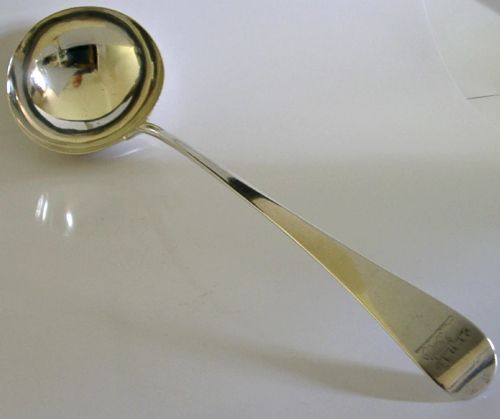
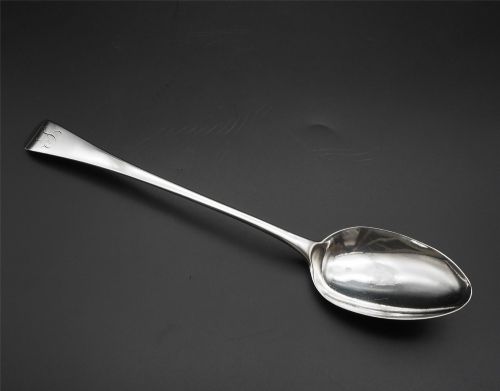
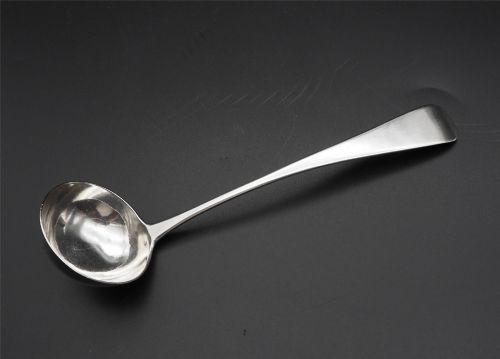
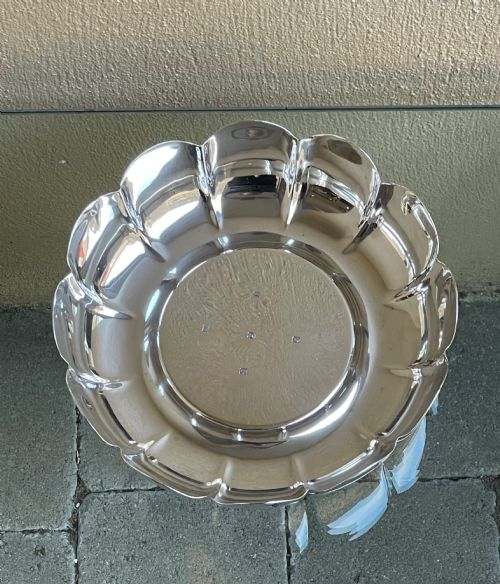
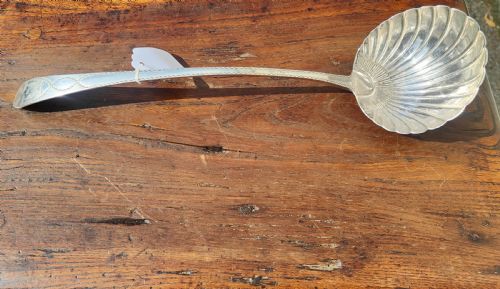
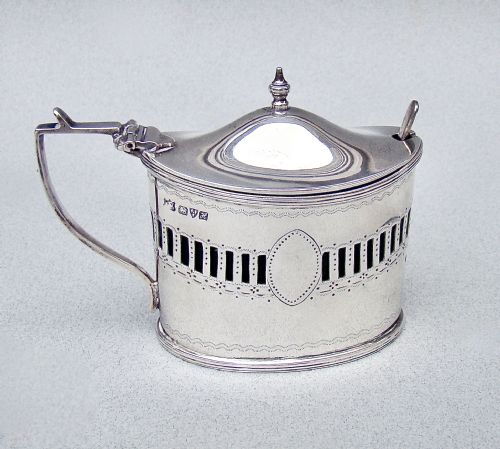
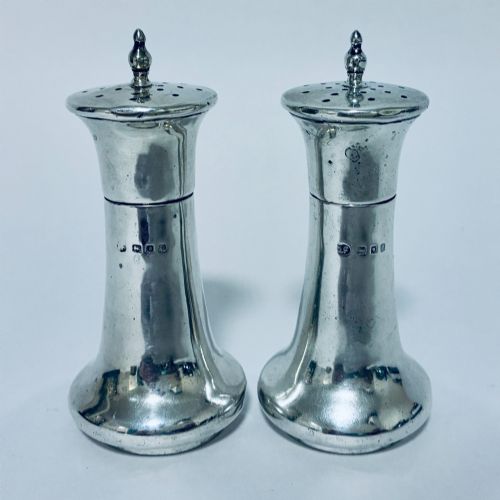
Georgian sterling tableware encompasses domestic silver objects created during the eighteenth and early nineteenth centuries, covering the reigns of the Georges alongside related revival pieces. Buyers seeking this category encounter functional dining items designed for serving, condiment containment, and beverage preparation.
Most pieces date to the Georgian era itself, supplemented by pieces bearing Georgian Revival or Edwardian manufacturing dates. Scottish provincial and London workshops provide regional variety in design and hallmarking, offering collectors diverse stylistic expressions within standard domestic silver.
Materials and Technique
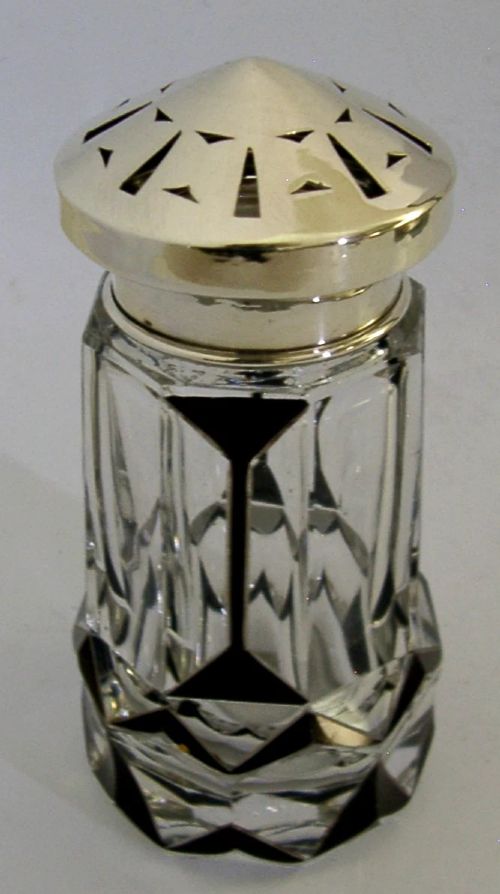
Silversmiths utilised sterling silver as the primary medium, shaping metal through hammering, casting, and wirework techniques to build durable domestic implements. Gold wash and gilt applications frequently highlighted interior bowls, while glass inserts secured smaller condiment tubs and salt cellars.
Design execution relied heavily on hand-wrought forming, complemented by engraved heraldic crests, chased berry motifs, and pierced decorative patterns. Cases incorporating velvet and silk protected sensitive flatware sets such as berry spoons during storage and transport.
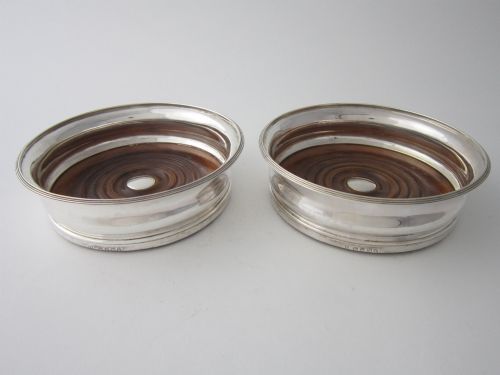
Listings feature sterling silver tableware alongside supplementary materials such as mahogany wood, glass inserts, velvet, and silk storage cases.
Evaluating Execution
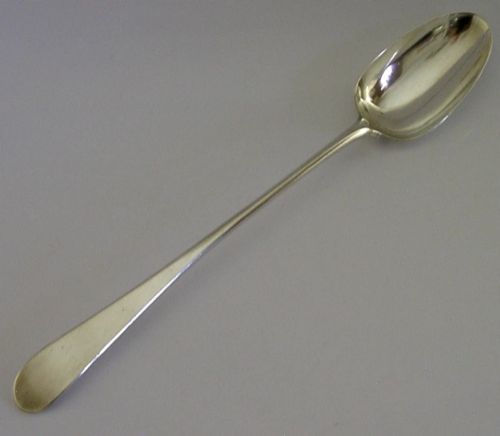
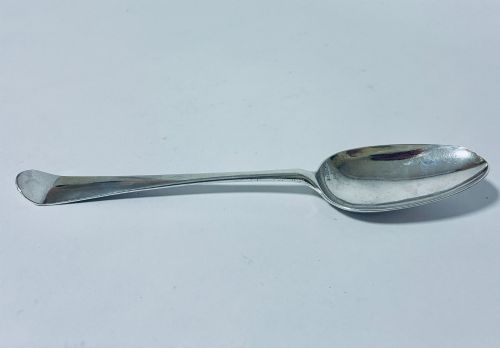
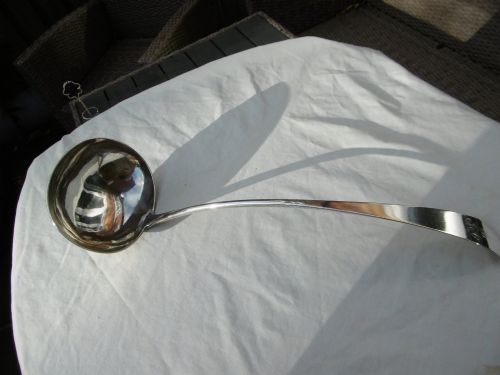
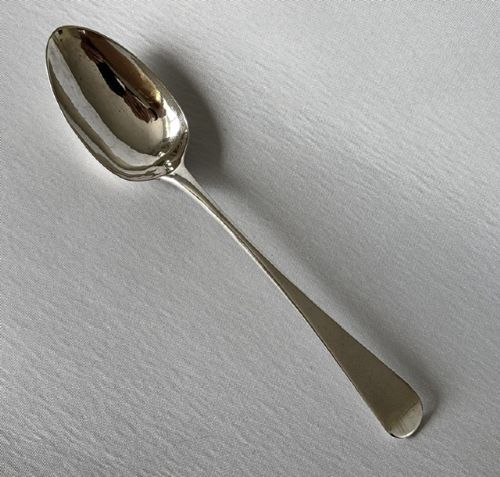
Quality in these items rests upon the crispness of chased ornament, the weight and gauge of the sterling silver used, and the clarity of the maker and hallmarking stamps. Substantial metal thickness in basting spoons and sauce boats separates robust utilitarian pieces from lighter contemporary alternatives.
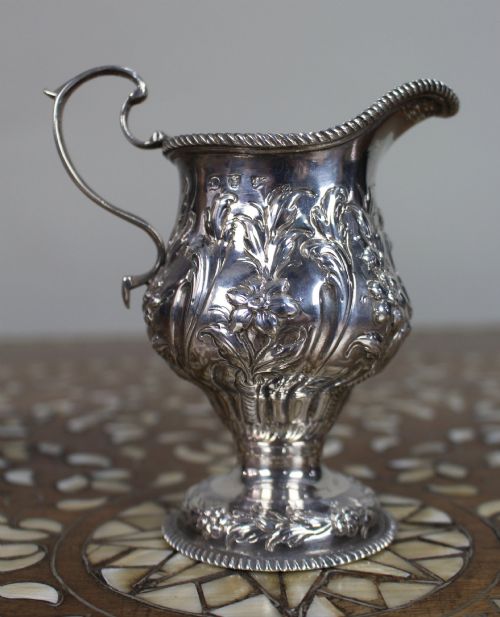
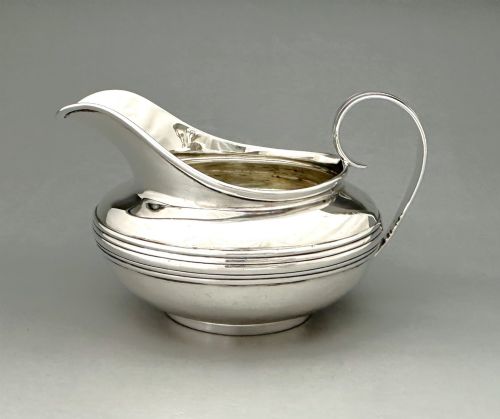
Refinement of detail distinguishes standard production from superior output, visible in the precision of wirework condiment frames, the articulation of novelty sugar tongs, and the balance of applied handles on cream jugs. Maker attribution to notable workshops elevates historical interest significantly.
Peter and Jonathan Bateman·Hester Bateman·Alfred Marston·Dee and Fargus·William Plummer·David Hennell·William Burwash
The Georgian Sterling Tableware Glossary
- Sterling silver
- A silver alloy containing 925 parts of pure silver per thousand parts total weight, providing the standard material standard for British tableware.
- Hallmark
- An official stamp applied by an assay office indicating metal purity, the maker, and the year of manufacture.
- Caddy spoon
- A short-handled spoon specifically designed for measuring loose tea leaves from a storage caddy into a teapot.
- Bone marrow scoop
- A slender, double-ended utensil utilised during formal dining to extract marrow from animal bones.
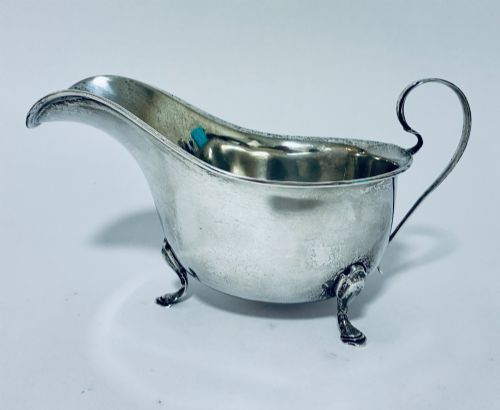
- Sauce boat
- An open vessel with a spout and handle designed for serving gravies or sauces at the table.
Georgian Sterling Tableware: Frequently Asked Questions
How do I clean antique silver?
Clean silver gently using specialised silver polish and a soft cloth, avoiding abrasive pads that wear down original hallmarks and chased details.
Store pieces away from direct sunlight and damp environments to maintain the natural surface sheen over decades of domestic use.
Can I use these items daily?
Many solid silver items remain robust enough for regular table service, provided they receive careful hand washing immediately after use.
Delicate items like wirework condiment tubs or pieces featuring delicate gilt interiors benefit from more careful handling during formal dining occasions.
What is a silver berry spoon?
A berry spoon is a serving spoon featuring embossed and chased fruit motifs added to the bowl, frequently created during the Georgian period.
These pieces were often retrofitted or decorated later in the nineteenth century to serve seasonal soft fruits at the dining table.
How do I identify a Georgian hallmark?
Inspect the metal surface with a magnifying glass to locate stamped symbols showing the maker's initials, a lion passant for sterling standard, and a date letter.
Assay office marks like the leopard head for London or specific provincial town marks help narrow down the exact manufacturing origin.