




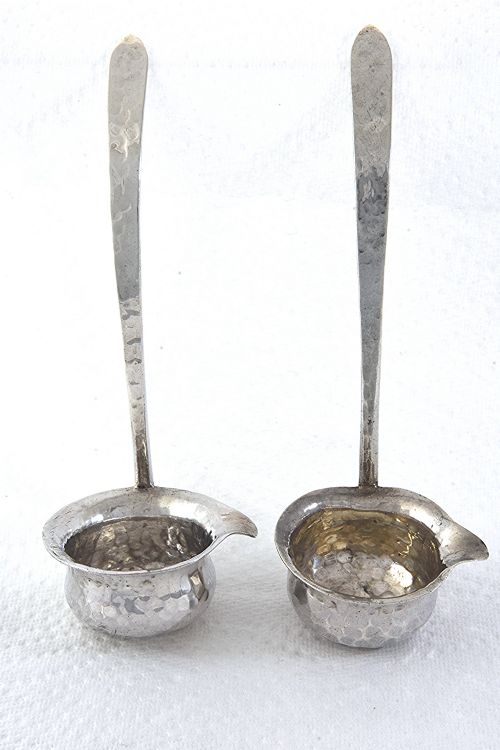
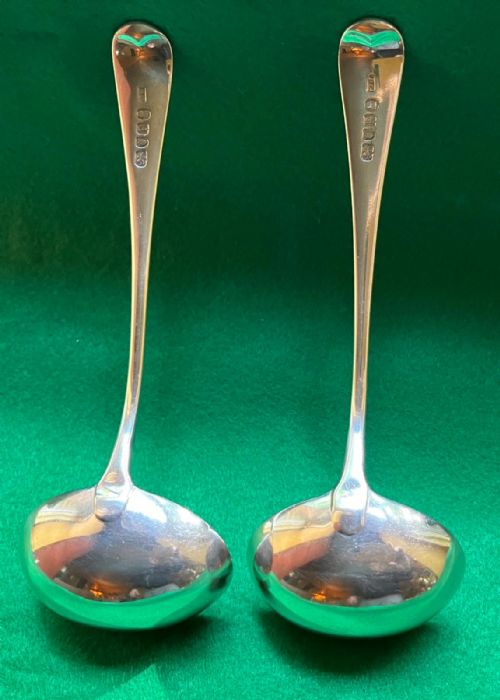


Hallmarked Silver Ladle
A hallmarked silver ladle brings formal table service and historic assay offices directly to the dining table.
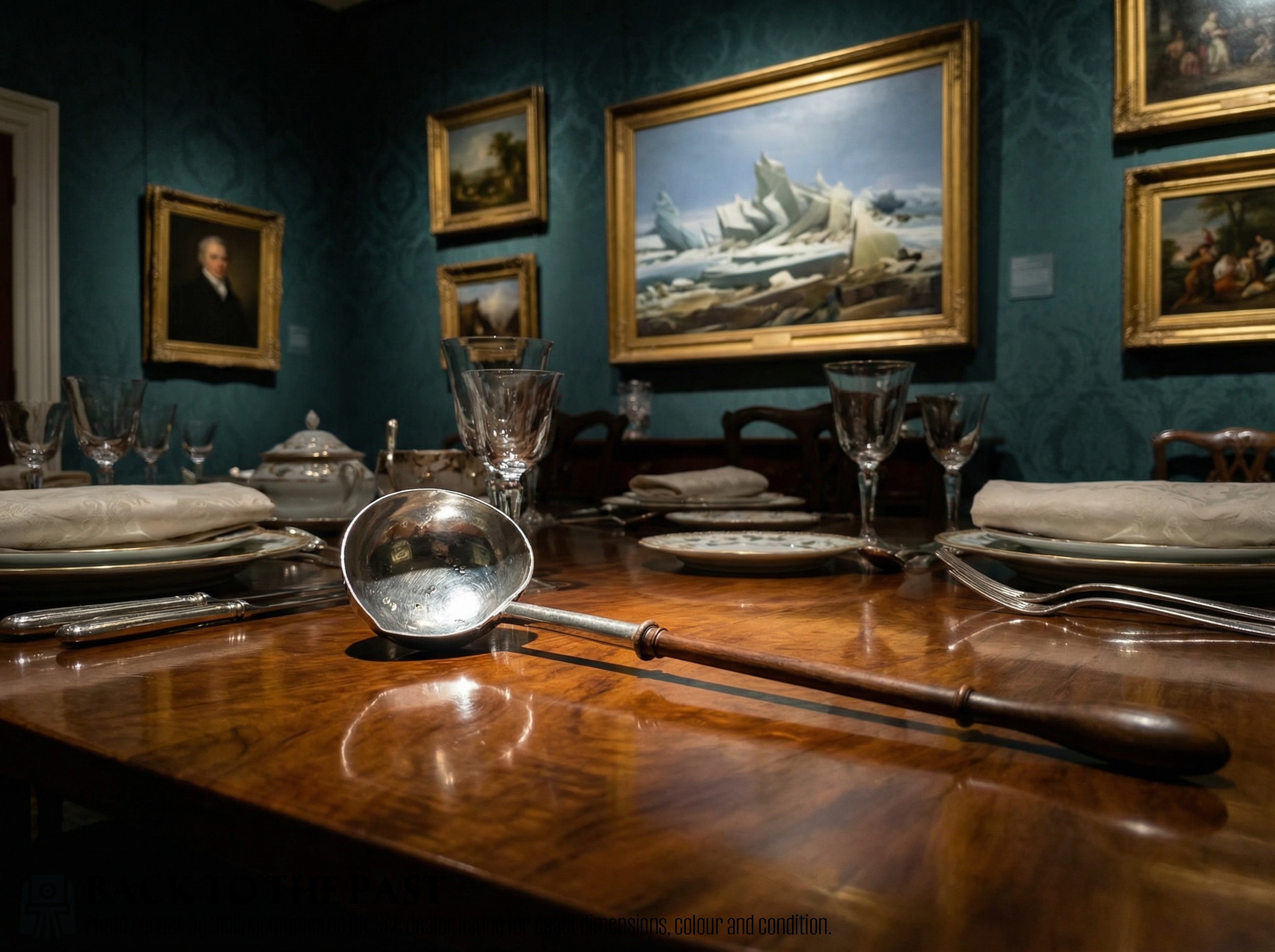
Hallmarked Silver Ladle
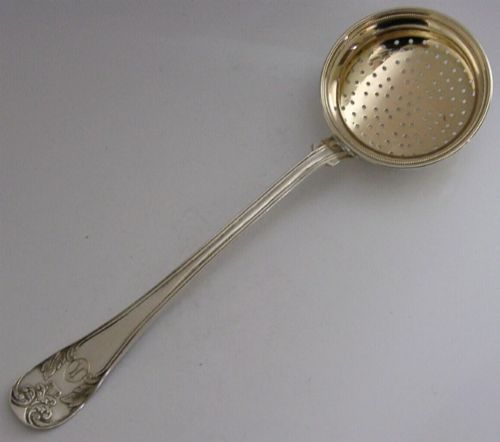
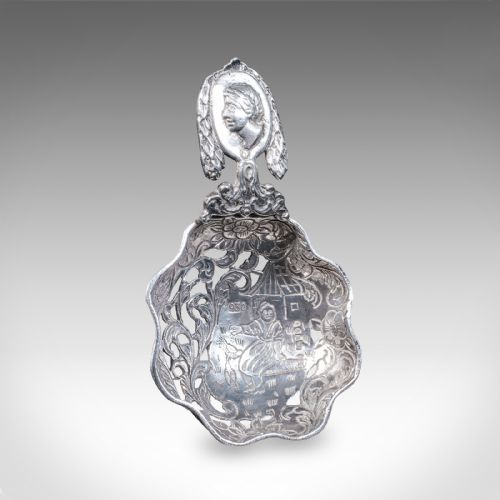
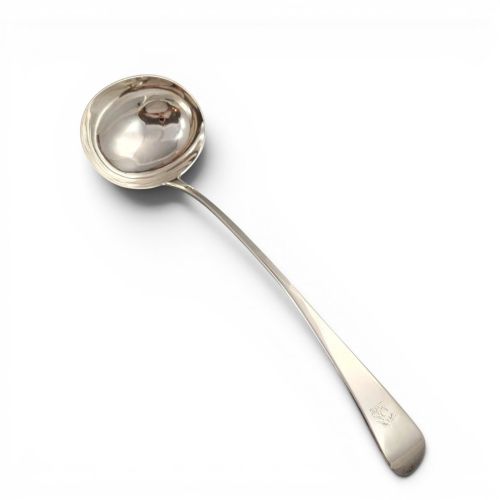
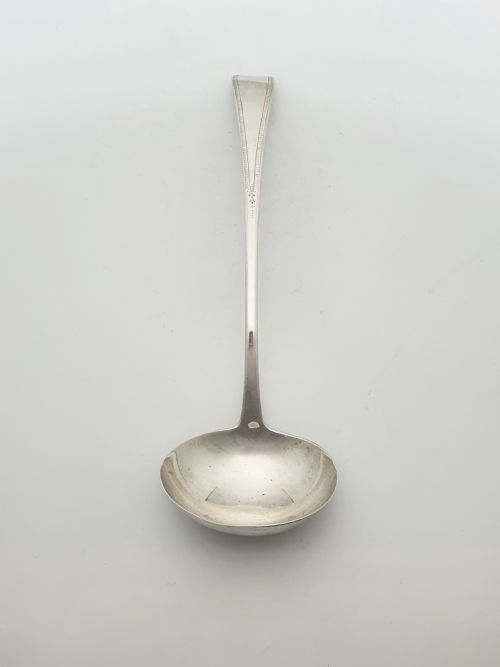
When you search for a hallmarked silver ladle, you look at serving utensils designed for bowls, tureens, and sauceboats. The listings show forms ranging from large soup and sauce ladles to smaller sugar sifter spoons, cream ladles, and toddy ladles.
The most common versions met on this page belong to the Georgian and Victorian periods, alongside twentieth-century examples. These pieces originate from English, Scottish, Irish, and continental workshops.
Makers shaped these implements for specific domestic tasks, producing deep bowls for liquids and pierced bowls for straining sugar or fruit. Each item carries official assay office marks to guarantee its metal standard.
How they were made
Silversmiths constructed these pieces primarily from sterling silver, solid silver, and occasionally silver gilt. Workshops also paired silver bowls with turned wood handles on specific toddy ladles.
Craftsmen shaped the metal through hammering and casting, applying decorative elements such as threaded borders, shell motifs, or period crests. Assay offices then struck formal hallmarks onto the surface to record the town, year, and metal purity.
Hallmarked Silver Ladle Retail Price Guide 2026
Typical asking prices for hallmarked silver ladle among the pieces listed under this phrase on Sellingantiques today, from the lower quarter to the upper quarter. They describe what is for sale here now, not the wider market.
Listings feature sterling silver, solid silver, and silver gilt alongside wood, spanning the eighteenth, nineteenth, and twentieth centuries.
What varies in quality
The distinction between standard production and exceptional work lies in the weight of the metal and the crispness of the hallmarks. Heavy gauge silver provides proper balance in the hand during service.
Design execution separates basic utensils from superior examples, visible in the handling of threaded borders, engraved crests, and pierced sifter patterns. Complete legibility of town marks and maker stamps adds significant weight to an item.
Hester Bateman·Francis Higgins II·Thomas Wilkes Barker·Josiah Williams & Co·George Pearson
The Hallmarked Silver Ladle Glossary
- Hallmark
- Official marks stamped onto precious metal items to guarantee standard and origin. These symbols typically include maker marks, city assay offices, and date letters.
- Toddy ladle
- A small drinking spoon used for scooping hot punch or toddy. These items often feature twisted whalebone or turned wooden handles.
- Sifter spoon
- A utensil with a pierced bowl designed for dusting sugar over food. The perforations allow excess lumps to remain behind.
- Old English pattern
- A traditional eighteenth-century flatware design featuring a plain, down-turned terminal handle with a central ridge.
- Assay office
- The statutory body responsible for testing the purity of precious metals. Towns such as London, Edinburgh, Dublin, Exeter, and York maintained distinct testing offices.
Hallmarked Silver Ladle: Frequently Asked Questions
What is a hallmarked silver ladle?
A hallmarked silver ladle is a serving spoon with a deep bowl, intended for transferring soup, sauce, cream, or punch. Each piece carries official stamps that certify its metallic composition and place of testing.
These utensils range from massive soup ladles down to small toddy and caddy spoons. Their forms reflect the dining habits of the Georgian and Victorian eras.
How were toddy ladles used?
Toddy ladles served to ladle hot alcoholic punch or whisky toddy from a bowl into individual drinking glasses. Their long handles kept fingers away from hot liquids.
Many examples utilised wooden or whalebone handles to prevent heat transfer from the silver bowl.
What is the difference between a soup ladle and a sauce ladle?
Soup ladles feature large capacities and long handles suited for deep tureens and large volume service. Sauce ladles are proportionally smaller, designed for gravy boats and table jugs.
Both follow the prevailing stylistic patterns of their respective periods, such as Old English or thread borders.