
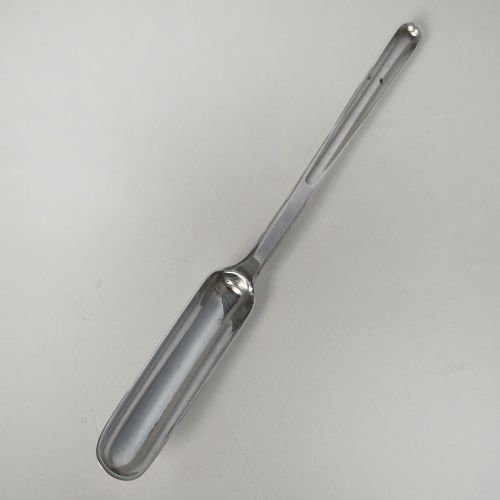


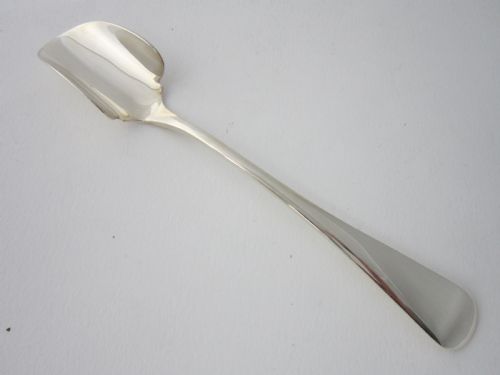
Vintage Silver Serving Spoon
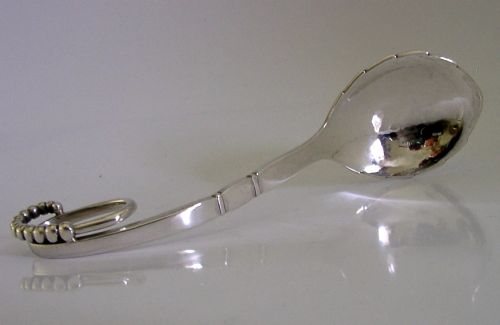
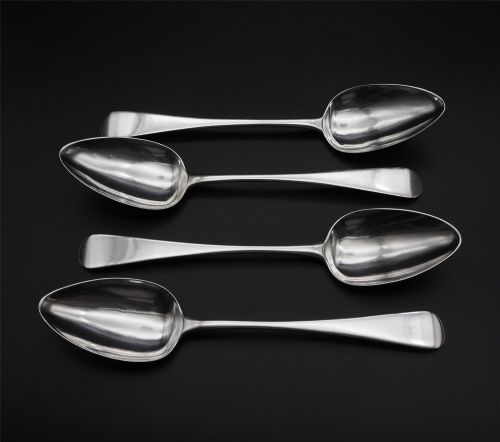
A vintage silver serving spoon brings weight and form to the table, spanning Georgian delicacy and clean Danish modern lines.
Vintage Silver Serving Spoon
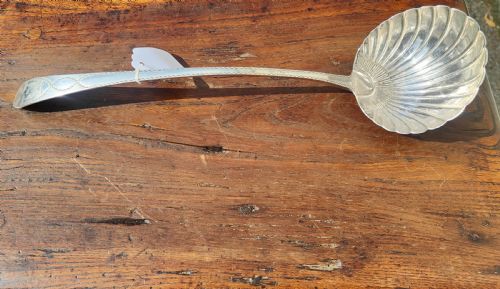
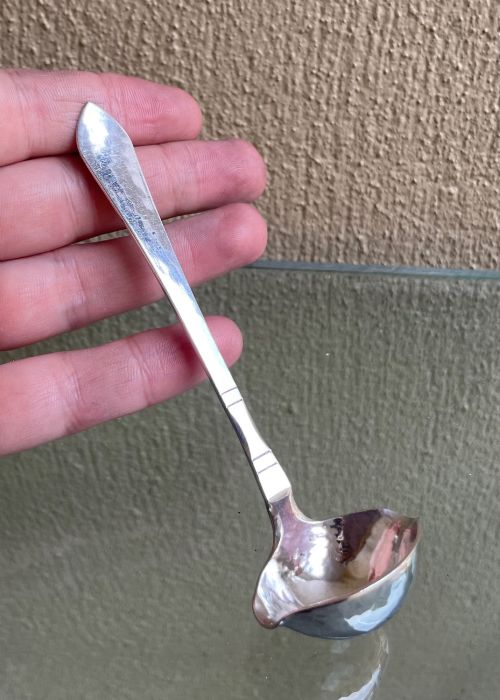
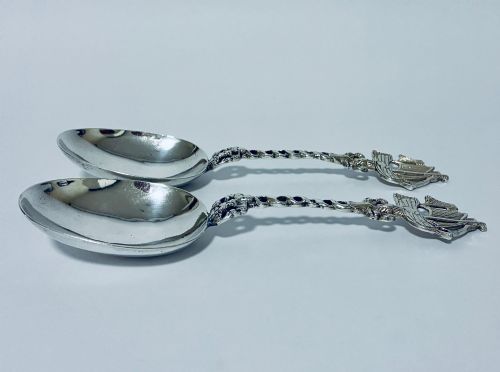
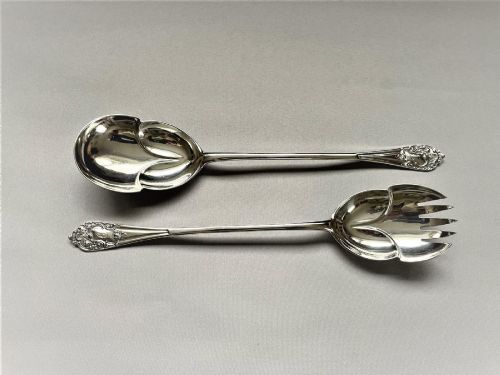
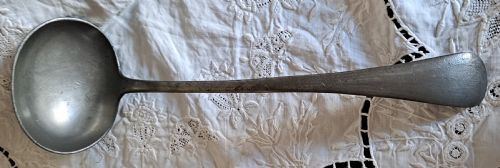
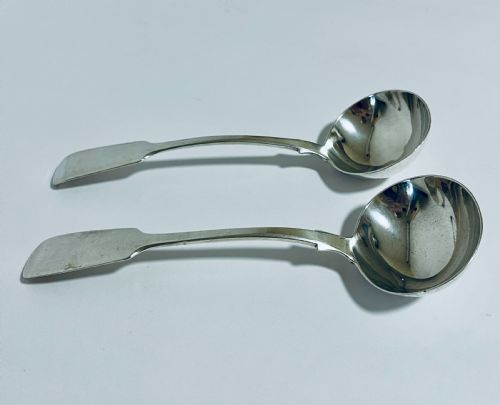
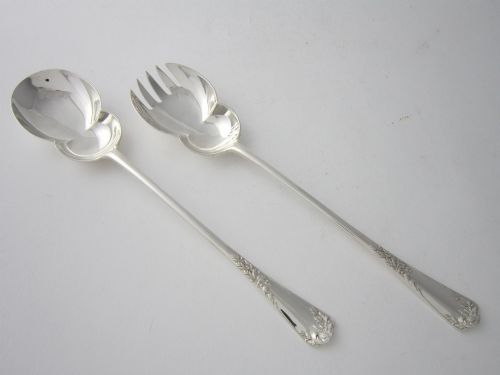
A vintage silver serving spoon encompasses implements designed for passing food, from large berry spoons to soup ladles and salad servers. When exploring a vintage silver serving spoon, a buyer encounters pieces originating across the eighteenth, nineteenth, and early twentieth centuries. The selection includes formal Georgian pairs, ornate Victorian fruit sets, and distinct Arts and Crafts designs.
Makers and regional workshops from Britain, Continental Europe, and Scandinavia appear frequently among the offerings. Styles range from classical English hallmarks to Danish Modern and Swedish Art Nouveau interpretations. These utensils function primarily as table service for meals, bringing historical silverwork into domestic use.
Materials and construction
Construction relies heavily on sterling silver, solid silver, and silver plate, often shaped through traditional casting and hammering techniques. Workshops employed rat tail reinforcements, detailed engraving, and cast handles to build durable utensils.
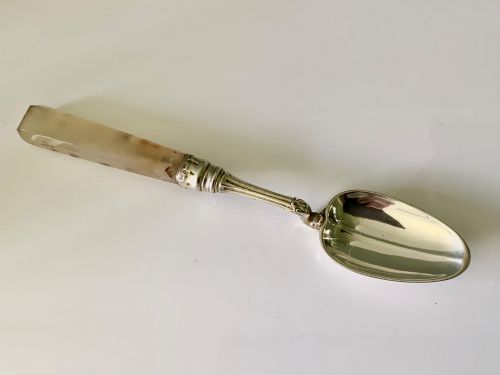
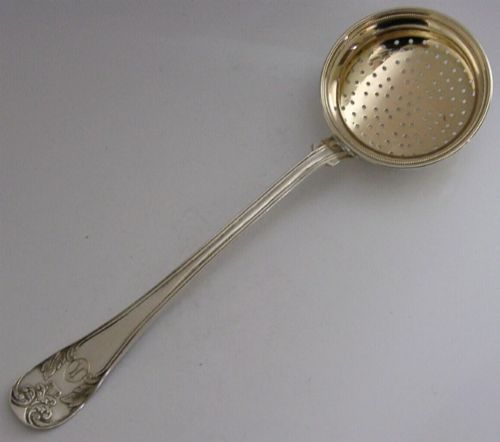
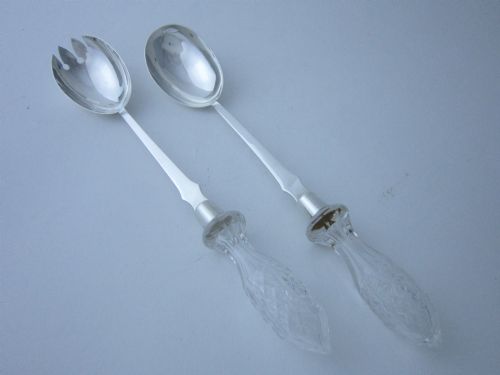
Selected pieces incorporate contrasting materials, pairing silver bowls with glass inserts, carved agate handles, silk, or velvet linings inside presentation boxes. Silversmiths applied gilding, known as silver gilt, to the interior bowls of specific ladles and sifters.
Grape scissors and nutcrackers frequently join serving spoons in fitted velvet boxes, ready for nineteenth-century dessert.
Assessing quality
Quality rests upon the weight of the metal and the crispness of the chased or engraved ornamentation. Heavy gauge silver resists bending at the neck, ensuring the implement handles dense portions of food without flexing.
The distinction between standard commercial output and superior craftsmanship shows in the hand-finished details of the bowl and terminal. Maker marks, clear town hallmarks, and well-preserved maker attribution elevate certain examples above unmarked regional alternatives.
John Yates·Jonathan Hayne·Hukin & Heath·Henri Soufflot·Whiting Co.
The Vintage Silver Serving Spoon Glossary
- Hallmark
- An official stamp applied to precious metals indicating purity, origin, and assay office. These small punches verify the silver standard and date of manufacture.
- Bifurcate
- Divided into two branches or prongs at the tip. This formation appears on specialised serving implements designed to grip and lift slippery items.
- Rat tail
- A strengthening tongue of metal extending down the back of a spoon bowl from the handle. It reinforces the joint where handle and bowl meet.
- Silver gilt
- Silver that has been coated with a thin layer of gold on its surface. This technique protected the metal from acidic foods and added visual contrast.
Vintage Silver Serving Spoon: Frequently Asked Questions
How do I clean a silver serving spoon?
Wash the utensil in warm soapy water using a soft cloth, avoiding harsh abrasive dips that strip the natural patina. Dry thoroughly with a lint-free cloth to prevent water spots.
Store the item in a dry environment, preferably wrapped in anti-tarnish cloth or within a lined box. Regular gentle use prevents heavy tarnish accumulation on display pieces.
Can I use these spoons for everyday dining?
Solid silver and heavy sterling pieces remain robust enough for regular table service during meals. Care should be taken with delicate engraving, parcel-gilt surfaces, or hollow handles.
Hand washing is essential, as modern dishwashers utilise harsh detergents and high heat that damage antique metal and bonded handles.
How can I tell a Georgian spoon from a Victorian one?
Georgian spoons typically display simpler, cleaner lines such as Old English or Hanoverian patterns, often accompanied by crisp, low-count hallmarks. Victorian examples frequently feature heavier ornamentation, cast floral motifs, and elaborate engraving.
Examining the assay marks and style of the typography provides the definitive date of manufacture.