
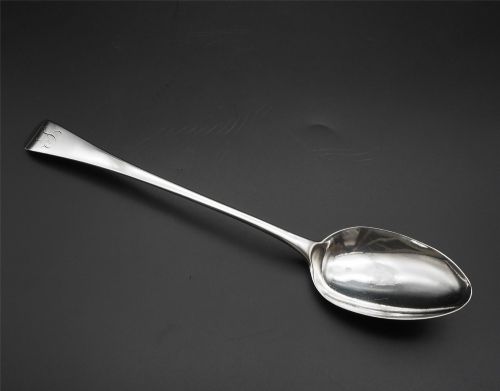
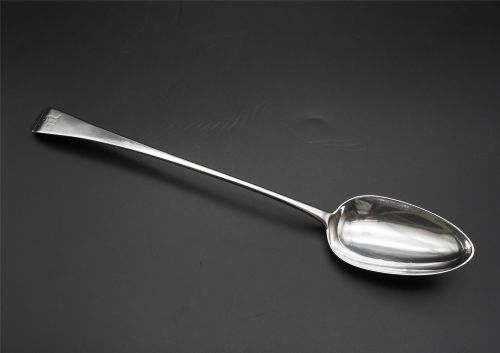
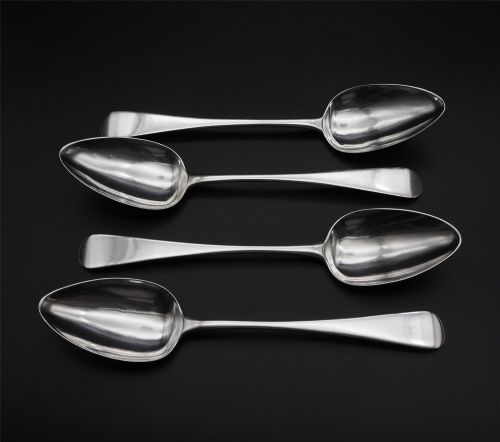
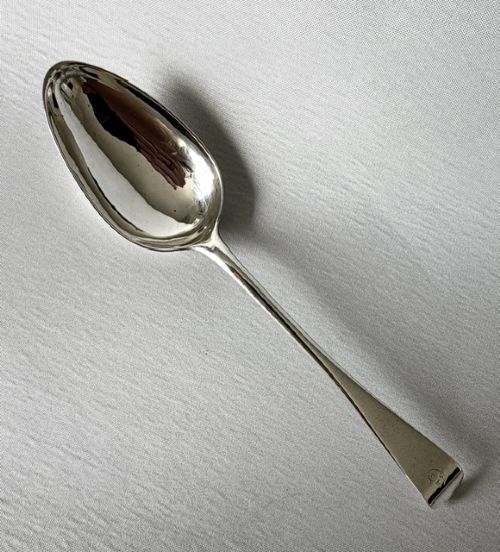
Antique Serving Spoon
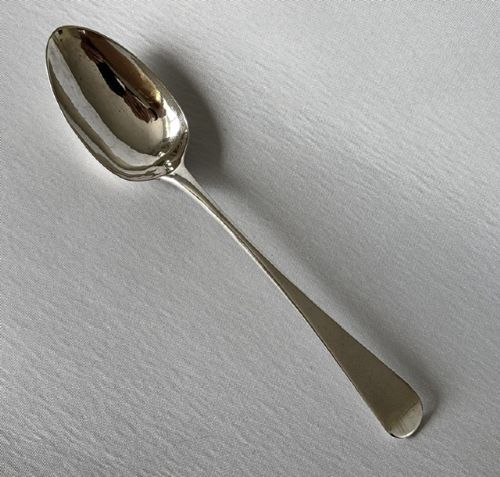
When you search for an antique serving spoon, you are looking at heavy flatware designed for the dining table from the Georgian, Victorian and Edwardian eras.
Antique Serving Spoon
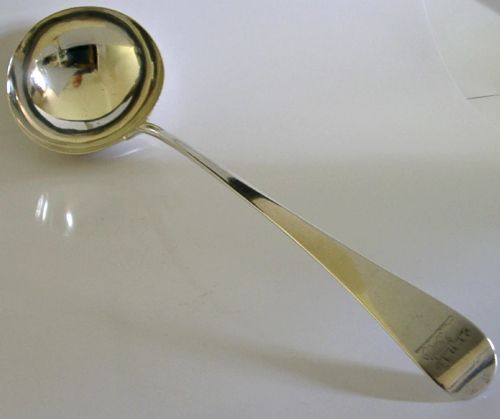
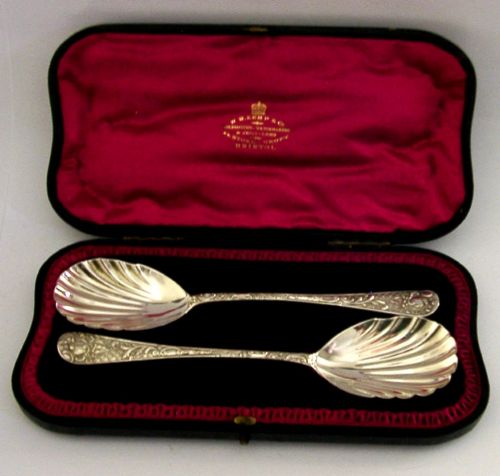
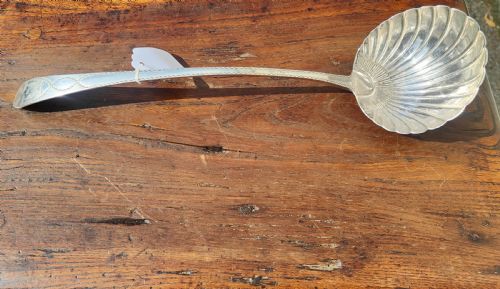
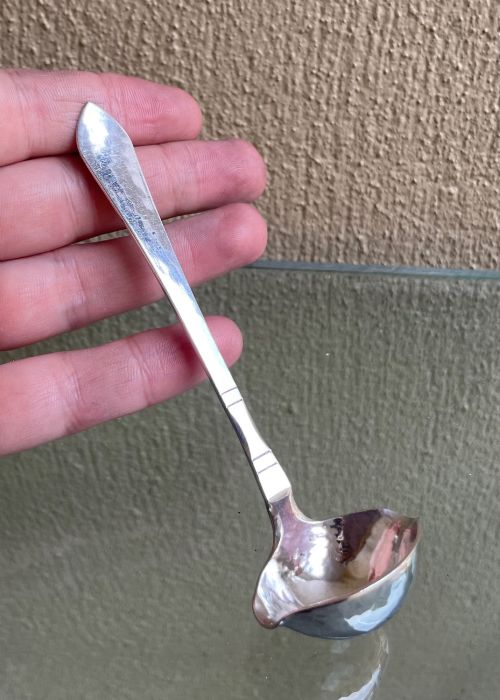
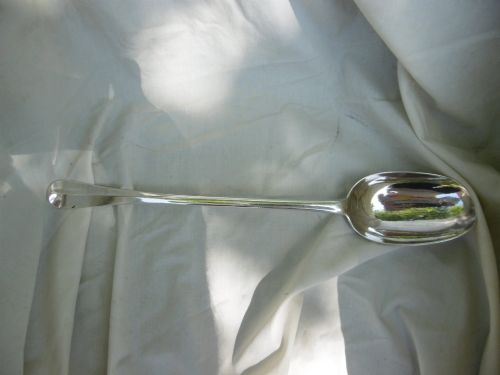
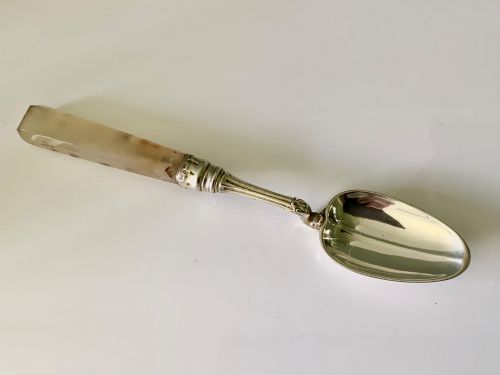
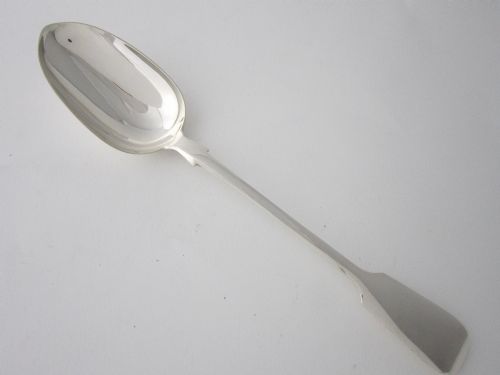
The pieces on this page span large serving spoons, basting spoons, hash spoons, gravy ladles and salad servers produced across the eighteenth, nineteenth and early twentieth centuries. You will regularly find George III sterling silver tablespoons alongside Victorian cased pairs and Edwardian fruit or berry spoons.
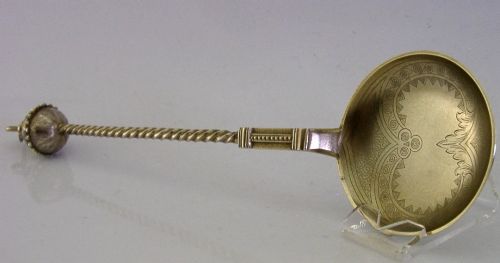
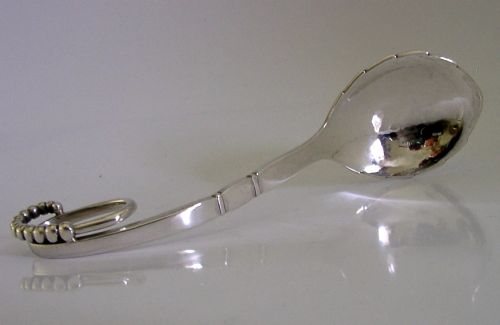
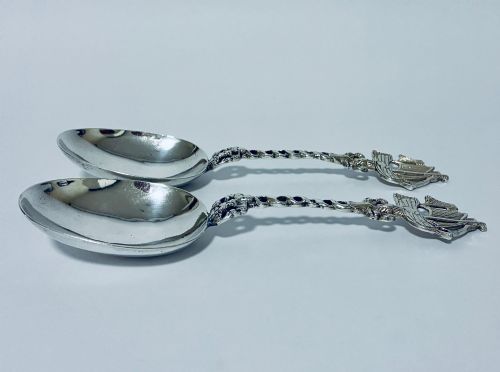
Regional British examples from Newcastle, Dublin and Glasgow appear alongside continental European silver, including Dutch pierced designs, Scandinavian parcel-gilt ladles and early English pewter dog nose spoons. Many are individual showpieces, while others survive in fitted presentation cases with matching forks or ladles.
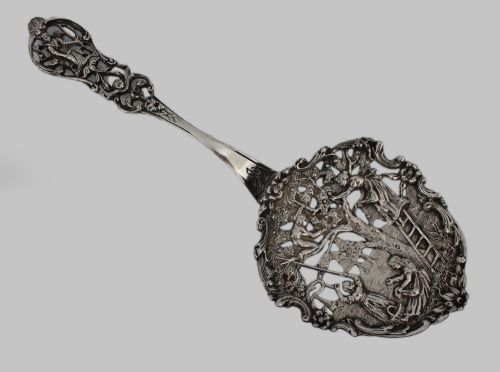
Forms range from plain Old English and Fiddle patterns to heavily chased berry spoons where fruit and birds were embossed onto earlier bowls. Specialised implements like sugar sifters, marrow scoops and bonbon spoons also represent the broader family of large dining utensils.
How they were made
Silversmiths hammered sterling silver or silver gilt from ingots, shaping the stems by hand before attaching bowls either by casting or hammering. Early examples utilise heavy gauge metal to withstand daily kitchen and dining use without bending.
Decorative techniques include hand engraving, family crests, chasing and piercing, where metal was cut away to form intricate bird or fruit motifs. Later Victorian and Edwardian items often combine solid silver with glass inserts or velvet and silk lined presentation boxes.
Antique Serving Spoon Retail Price Guide 2026
Typical asking prices for serving spoon among the pieces listed under this phrase on Sellingantiques today, from the lower quarter to the upper quarter. They describe what is for sale here now, not the wider market.
Listings feature sterling silver, silver gilt, pewter and glass across Georgian, Victorian, Edwardian and Arts and Crafts styles.
What varies in quality
The weight of the metal dictates the baseline quality, as heavy gauge silver resists bowl thinning and stem bending from centuries of use. Superior examples retain crisp hallmarks and sharp, deep chasing on berry spoons where lesser items show worn or polished-away detail.
Maker attribution elevates a piece significantly, particularly recognised silversmiths like Hester Bateman, Andrew Archer or Georg Jensen whose workshops maintained rigorous standards. Intact original cases and clear family crests or armorials also separate standard utility flatware from collectible display items.
Peter and Jonathan Bateman·Hester Bateman·Georg Jensen·Andrew Archer·William Comyns
The Antique Serving Spoon Glossary
- Berry spoon
- A large serving spoon, typically Georgian, embossed and chased later in the nineteenth century with fruit and foliage designs.
- Basting spoon
- An extra-long spoon originally used for spooning juices over roasting meat, frequently adapted for general serving.
- Rat tail
- A traditional strengthening tongue of metal running down the back of the spoon bowl from the stem junction.
- Parcel gilt
- Silver objects that are partially gilded with a thin layer of gold on the interior bowl or decorative highlights.
- Dog nose
- An early eighteenth-century spoon style featuring a notched, spatulate terminal resembling a canine snout.
Antique Serving Spoon: Frequently Asked Questions
What is an antique serving spoon used for?
These large spoons served communal dishes at the dining table, transferring vegetables, meats or sauces from large platters to individual plates.
Heavier basting and hash spoons managed large roasts, while smaller ladles and berry spoons handled punch, gravies, desserts and soft fruits.
How do I date an antique silver spoon?
British silver relies on standardised hallmarks stamped directly onto the metal, which include maker marks, standard marks, duty marks and date letters corresponding to specific assay offices.
Stylistic shifts, such as the transition from plain early eighteenth-century rat tail bowls to ornate Victorian chasing, also provide clear chronological markers.
Can I use antique serving spoons for dining?
Solid silver serving spoons are robust enough for modern table use provided they are washed by hand rather than placed in an abrasive dishwasher.
Older thin-bowled or parcel-gilt display pieces benefit from gentle handling to preserve fragile chasing and original gilding.
What are berry spoons?
Berry spoons are large serving utensils, usually originating in the Georgian period, that received elaborate fruit and leaf decoration chased into the bowl decades after manufacture.
Victorian owners prized these ornate items for serving soft summer fruits, often housing them in fitted satin and velvet presentation cases.