

Antique Silverware
Antique silverware brings centuries of domestic craft to the table, spanning Georgian teapots, Victorian canteens and Edwardian toast racks.
Antique Silverware
When seeking antique silverware, buyers encounter a diverse selection of functional and decorative items forged across multiple eras. The offerings on this page encompass everyday dining implements alongside ceremonial vessels, each carrying the distinct aesthetic of its period of origin.
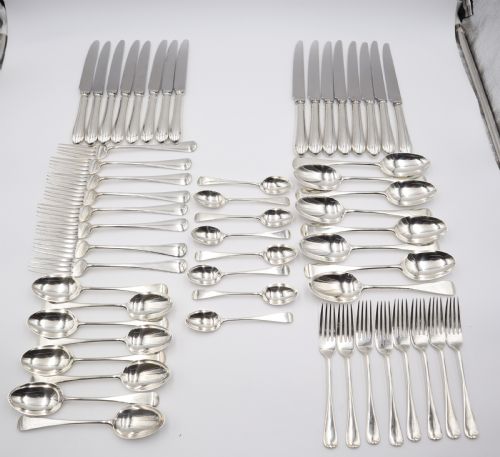
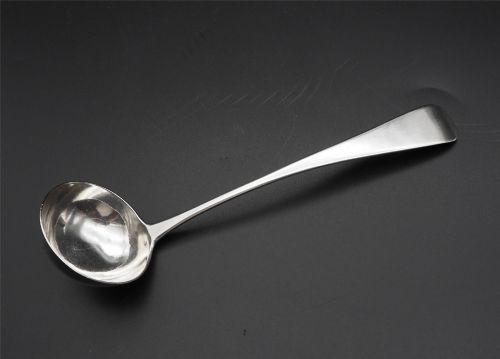
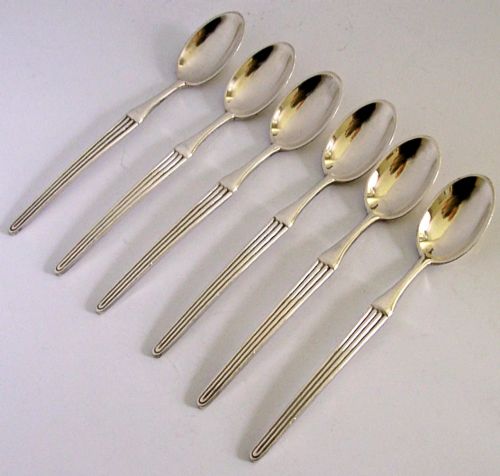
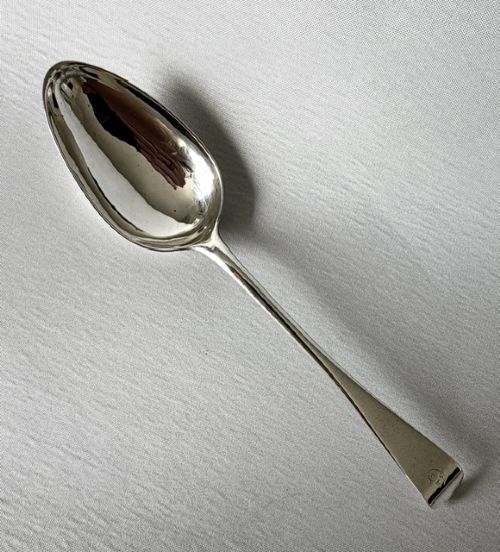
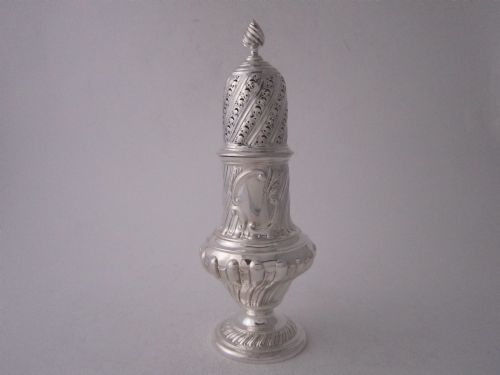
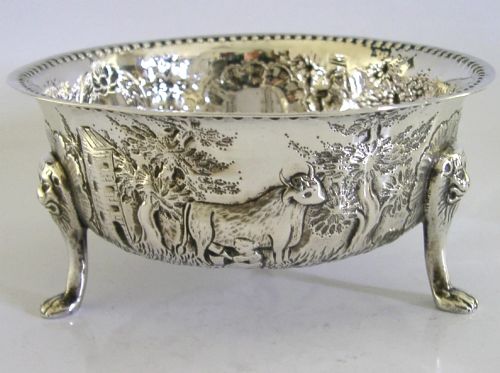
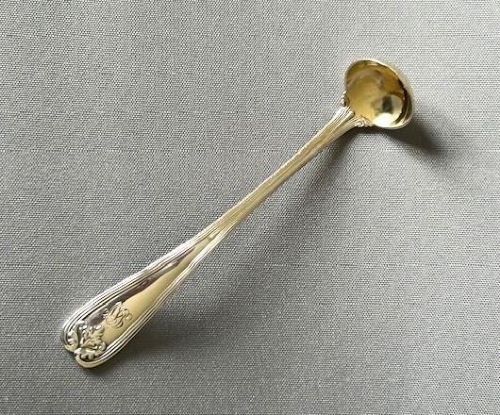
Most pieces date from the Georgian, Victorian and Edwardian eras, with additional examples from the eighteenth century through the early twentieth century. Common forms include serving spoons, teapots, cutlery sets, bowls, napkin rings and condiment ladles.
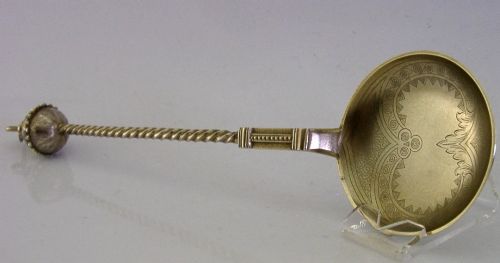
Regional variations appear frequently, featuring British provincial work from makers in Newcastle and Scotland alongside international items from Denmark, France, the Netherlands, Ottoman Turkey, Japan and India. This broad geographical spread provides access to distinct local smithing traditions and styles.
Materials and Techniques
The objects are primarily fashioned from sterling silver, solid silver and silver gilt, frequently complemented by secondary materials like wood, steel, velvet and silk found in cased sets or handles. Smithing techniques range from hand-hammering and raising to casting and intricate chasing.
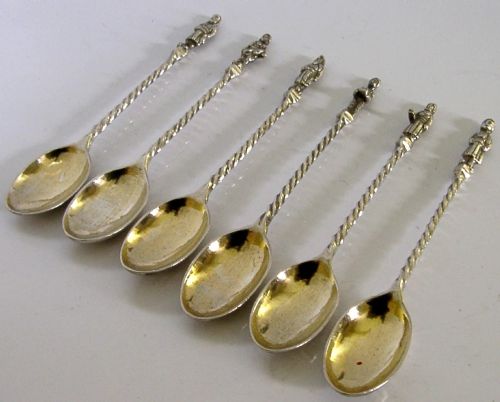
Makers utilised traditional forming methods such as raising bowls from flat metal sheets and casting heavier elements like handles, feet and finials separately before attaching them. Gilding was applied to the interior of certain bowls and spoons to protect the silver from acidic foods and liquids.
Listings feature sterling silver and solid silver items alongside supplementary materials such as wood, steel, velvet and silk.
Evaluating Quality
Quality in these items rests upon the crispness of the chasing, the structural integrity of joints and solder points, and the balance of the object in the hand. Master silversmiths achieved harmonious proportions and sharp relief work that remained clear despite decades of use and polishing.
The presence of crisp hallmarks and legible maker marks indicates origin and standard, while superior weight and gauge of metal denote higher initial cost and durability. Pieces retaining their original gilding or fitted cases show greater preservation of their complete historical state.
Bateman Family·Paul Storr·Liberty
The Antique Silverware Glossary
- Sterling silver
- A silver alloy containing 92.5 percent pure silver by mass, with the remainder consisting of other metals like copper for added strength.
- Silver gilt
- Silver objects that have been coated with a thin layer of gold on their surface, often used for vessels that held liquids or foodstuffs.
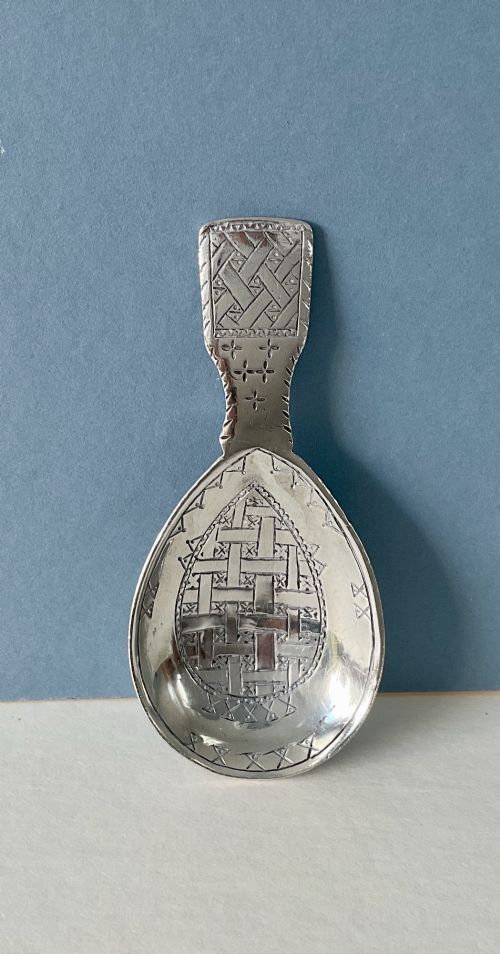
- Caddy spoon
- A short-handled spoon specifically designed for measuring loose tea leaves from a tea caddy into a teapot.
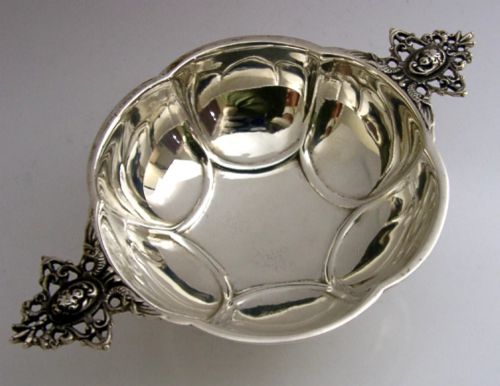
- Quaich
- A traditional shallow two-handled drinking vessel originating in Scotland, often used for whisky or brandy.
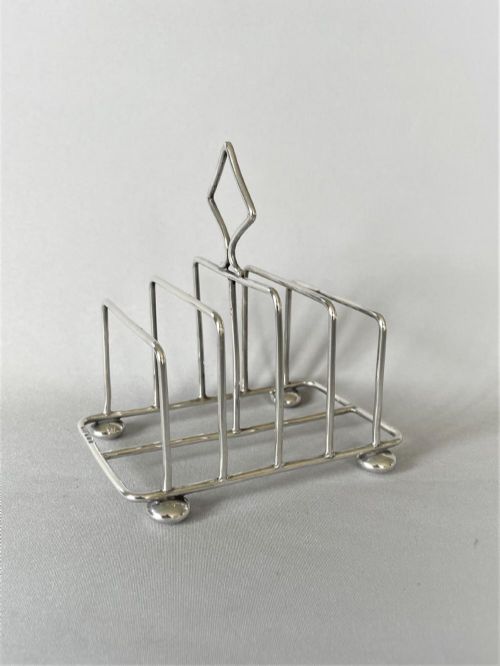
- Toast rack
- A small tabletop frame with vertical dividers designed to hold slices of toast upright and prevent them from becoming soggy.
Antique Silverware: Frequently Asked Questions
How do I clean antique silverware?
Cleaning requires a soft cloth and a specialised silver polish designed to remove tarnish without abrading the underlying metal or wearing down engraved details.
Harsh chemical dips and abrasive pads should be avoided because they strip the natural patina and can permanently damage the surface texture of older pieces.
What is the difference between sterling silver and silver plate?
Sterling silver consists of solid metal throughout meeting a specific purity standard, whereas silver plate involves a thin layer of silver bonded to a base metal core.
Over time, plated items may show base metal through worn high points, while solid sterling pieces retain uniform material composition across the entire object.
Can I use antique silverware for daily dining?
Many items like cutlery sets, spoons and bowls remain fully functional for modern use provided they are washed by hand rather than placed in an automatic dishwasher.
Hand washing prevents thermal shock and harsh detergents from degrading organic handle materials like wood or weakening historical solder joints.
How do I read silver hallmarks?
Hallmarks typically include symbols indicating the maker, the city of assay, the standard of purity and a date letter corresponding to the exact year of testing.
Reference books and assay office records help decode these tiny stamped impressions to establish the precise provenance and age of the item.