
Victorian Sterling Silverware
Victorian sterling silverware brings domestic metalwork of the nineteenth century into daily use, offering substantial weight and detailed ornamentation for the dining table.
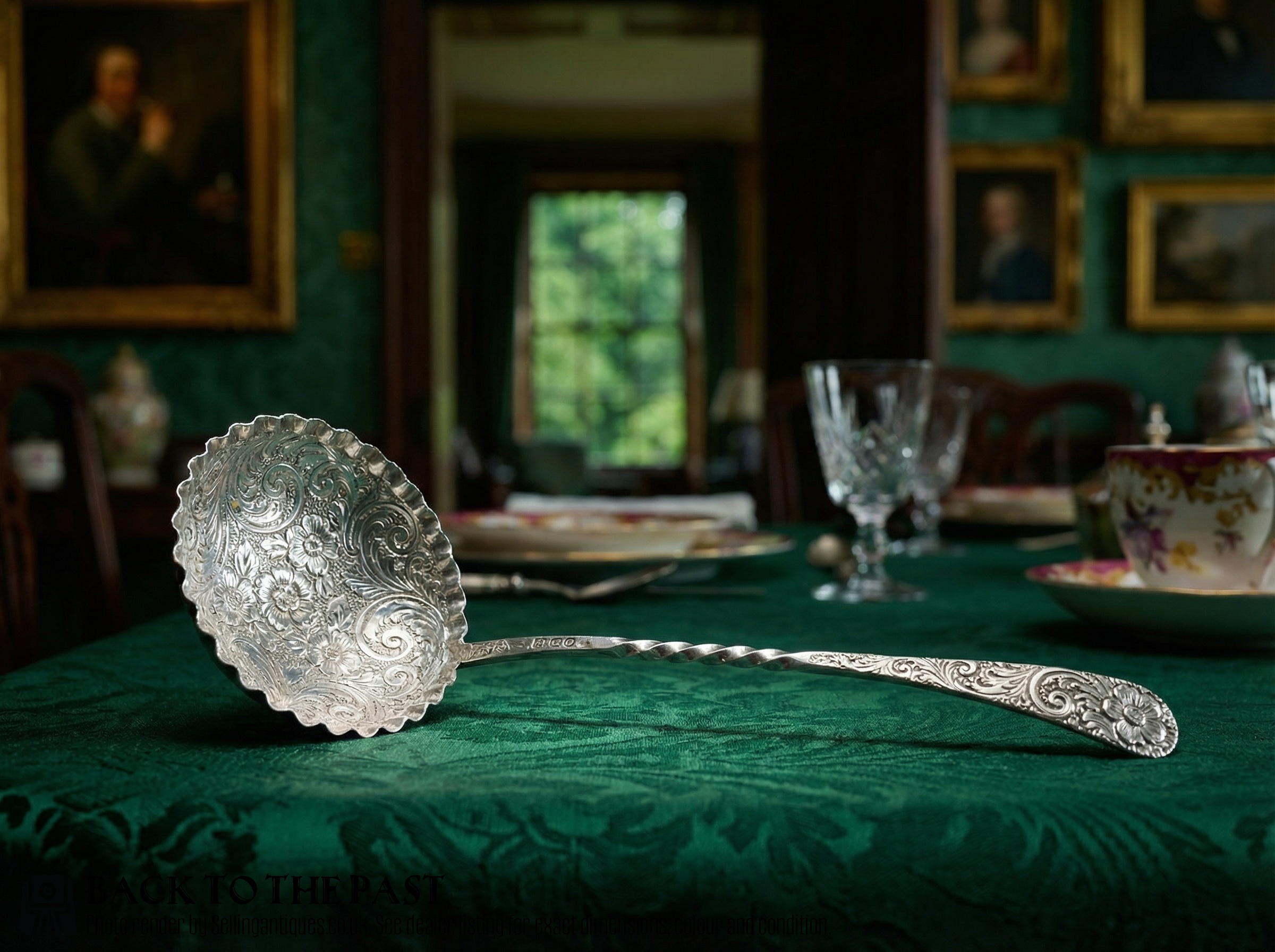
Victorian Sterling Silverware
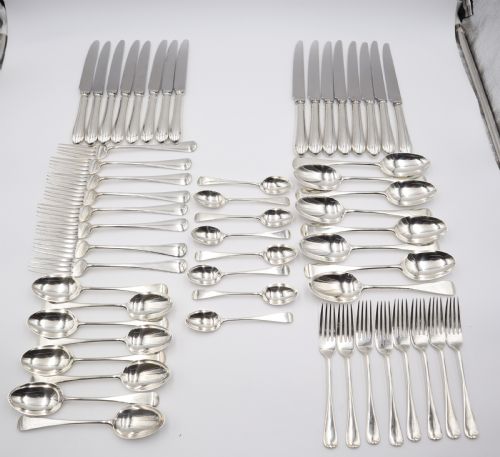
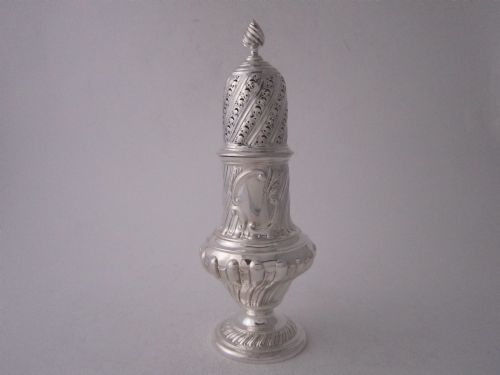
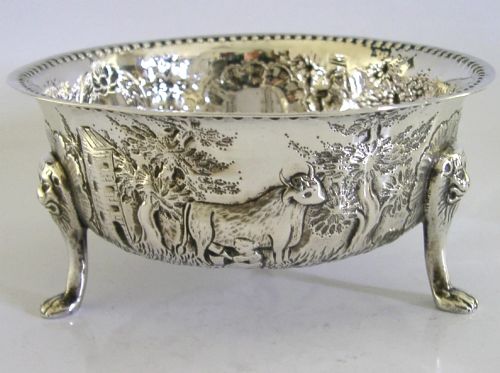
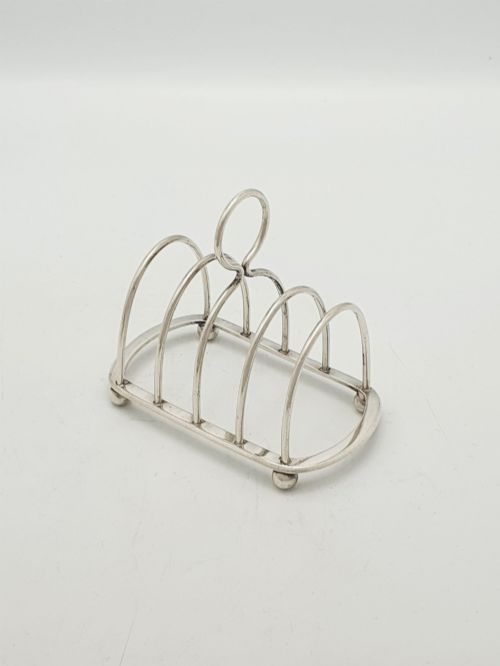
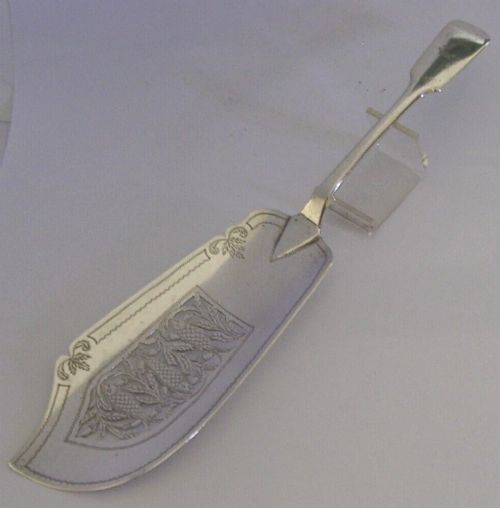
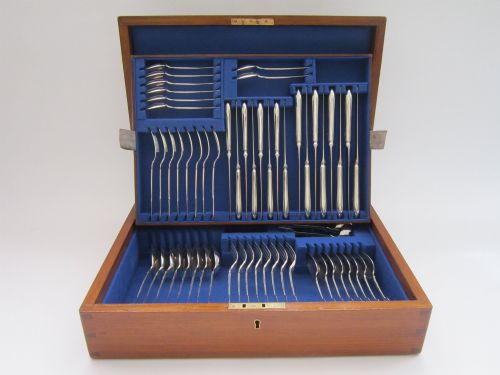
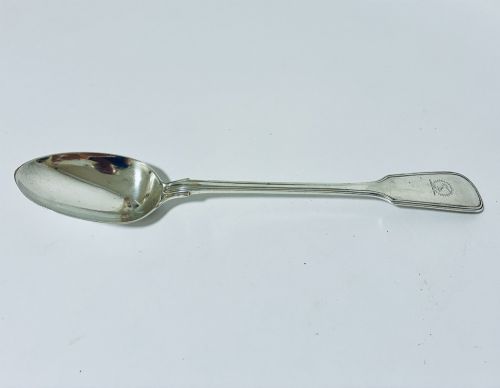
Victorian sterling silverware encompasses a wide range of functional and decorative items designed for dining, serving, and personal milestones. Buyers encountering these pieces on this page will most frequently find hollowware such as bowls, sugar baskets, and mustard pots, alongside flatware patterns like Fiddle pattern cutlery sets.
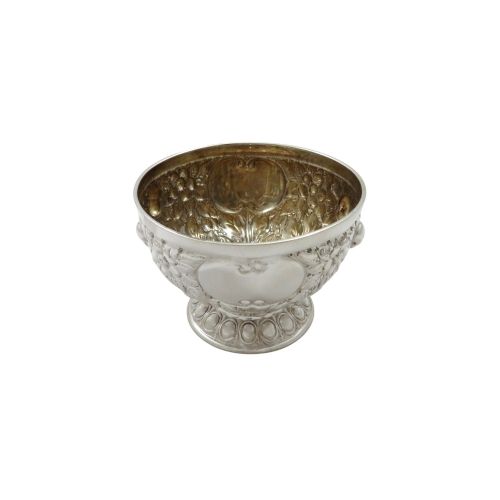
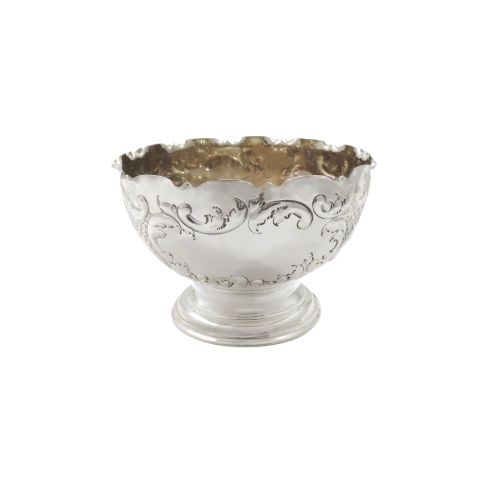
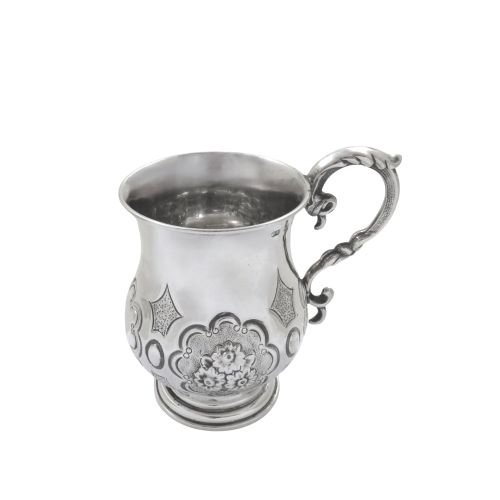
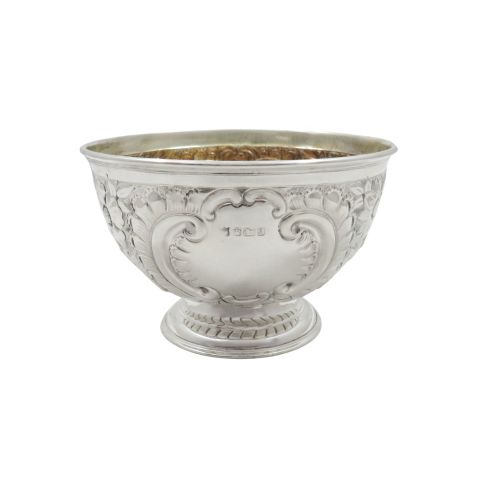
The selection spans domestic contexts from tea service accessories to christening mugs and table bells, predominantly originating from the Victorian period with occasional examples stretching into surrounding nineteenth and early twentieth-century periods. These objects reflect the heavy social dining rituals of the era, produced in varied forms including pedestal bowls, caddy spoons, and grape scissors.
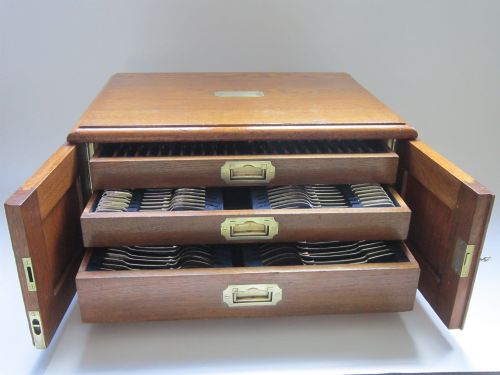
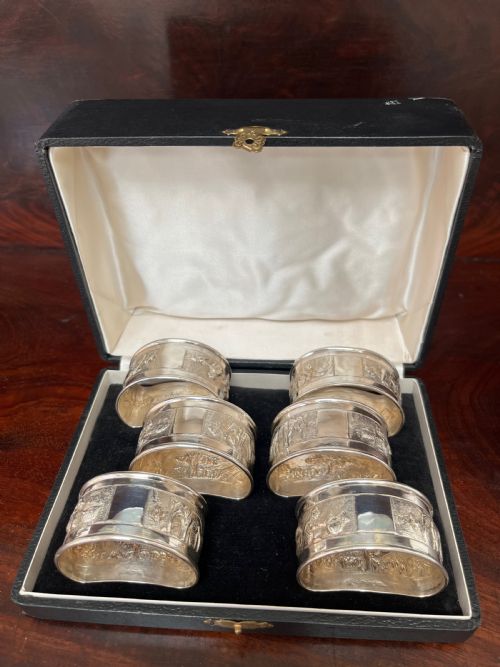
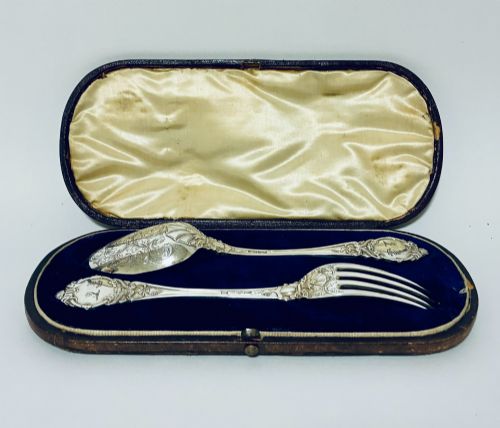
Makers and regional workshops across Britain produced these pieces using established stylistic revivals, incorporating Georgian styling alongside Victorian ornamentation. The variety includes cased presentation sets, napkin rings, and novelty items like barrel-shaped quaichs or baby peppers, demonstrating the breadth of silver production during the reign.
Materials and Techniques
The objects are formed primarily from sterling silver, supplemented in specific contexts by silver-gilt applications, glass inserts, and fitted presentation cases lined with velvet, silk, leather, or leatherette. Workshop methods relied on traditional smithing techniques, combining cast elements with hand-raised bodies and applied borders.
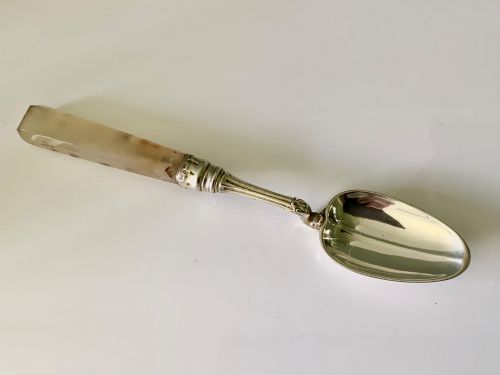
Decoration was achieved through meticulous hand-chasing, repoussé work, and floral engraving to surface areas, particularly visible on teapots, christening mugs, and footed tazza bowls. Cutlery and hollowware frequently utilised integrated handles of alternative materials, such as agate, paired with bifurcate or standard silver blades.
Makers utilised standard hallmarks to designate sterling standard metal purity, aligning with assay office requirements in London and regional centres. Structural assembly of complex pieces, such as salvers and table bells, involved soldered joints concealed beneath chased ornamentation or foot rims.
Victorian Sterling Silverware Retail Price Guide 2026
Typical asking prices for victorian sterling silverware among the pieces listed under this phrase on Sellingantiques today, from the lower quarter to the upper quarter. They describe what is for sale here now, not the wider market.
Listings for Victorian sterling silverware incorporate diverse functional categories, uniting dining cutlery, serving vessels, and novelty table objects within nineteenth-century manufacturing periods.
Craftsmanship and Design
Quality in Victorian sterling silverware rests upon the depth and crispness of the chased or engraved decoration, where master silversmiths achieved sharp relief against plain or textured grounds. Superior pieces exhibit balanced proportions, particularly in pedestal feet and handles, ensuring functional stability alongside ornamental weight.
The distinction between standard commercial output and exceptional work lies in the handling of specialised forms, such as novelty items or complex repoussé bowls, where hand-finishing defines the contours. Maker attribution also elevates certain examples, with distinguished firms and silversmiths contributing superior metallurgical consistency and refined assembly techniques.
Preservation of original form, sharp hallmarks, and intact gilding or internal glass liners contribute to the integrity of a piece. The quality of associated presentation cases, utilising fitted velvet and leatherette, similarly reflects the original commissioning tier of the silverware.
William Comyns·Mappin & Webb·Tiffany & Co·Mackay & Chisholm
The Victorian Sterling Silverware Glossary
- Sterling Silver
- A silver alloy containing 92.5 percent pure silver and 7.5 percent other metals, usually copper, to provide durability. This standard is denoted by specific hallmarks on British silver.
- Repoussé
- A metalworking technique where the metal is hammered from the reverse side to form a raised design in relief. It is frequently seen on nineteenth-century bowls and tazzas.
- Fiddle Pattern
- A traditional nineteenth-century flatware design characterised by a stem that widens toward the end in the shape of a fiddle. It remains one of the most recognizable cutlery styles of the period.
- Quaich
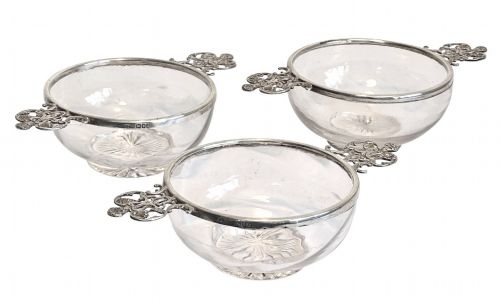
- A traditional Scottish two-handled drinking vessel, often taking shallow circular forms. Nineteenth-century variants sometimes adopted novelty shapes such as barrels.
- Silver-Gilt
- Sterling silver that has been coated with a thin layer of gold on its surface, often applied to the interior of bowls, cups, or caddy spoons for protection against acidic foods.
Victorian Sterling Silverware: Frequently Asked Questions
What is Victorian sterling silverware?
Victorian sterling silverware comprises domestic items, dining accessories, and cutlery produced in Britain during the nineteenth century. These pieces are hallmarked to certify sterling silver purity.
They reflect the domestic habits and formal dining culture of the period, ranging from tea caddies and mustard pots to christening sets.
How do I identify Victorian silver?
Identification relies on examining the hallmarks stamped directly into the metal surface. These marks typically include a standard purity mark, an assay office symbol, and a date letter.
Stylistic indicators such as heavy ornamentation, floral engraving, and specific revival designs also help assign pieces to the nineteenth century.
Were these items used daily?
Many Victorian silver items were designed for regular service at the dining table, including cutlery sets, sauce boats, and napkin rings. Others served specific social functions like tea service or christening ceremonies.
Cased sets and novelty pieces were frequently intended for gift-giving or display within the household.
How should I clean sterling silver?
Cleaning sterling silver requires mild, non-abrasive cleaning agents and soft cloths to remove tarnish without scratching the metal surface. Care must be taken around engraved details and applied crests.
Pieces with integrated organic handles, velvet linings, or glass elements require targeted cleaning to protect non-metal components.