




Sterling Silver Cream Jug
A sterling silver cream jug brings domestic history to the tea table, offering tactile pleasure and timeless utility through centuries of changing design.
Sterling Silver Cream Jug
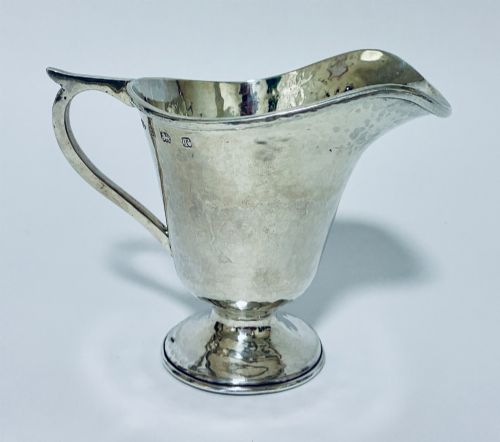
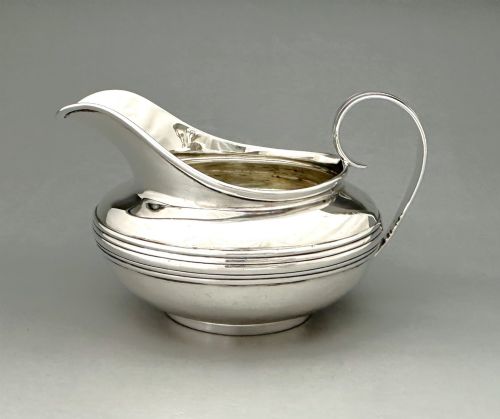
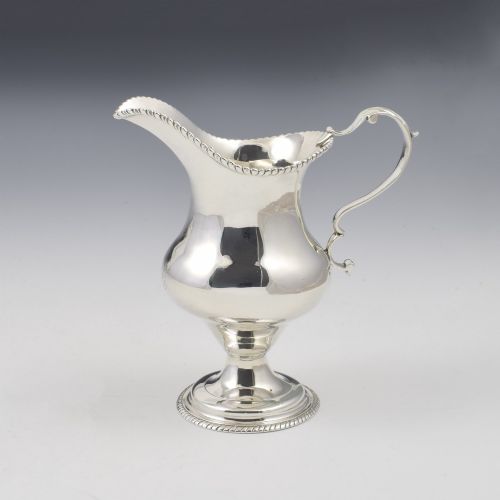
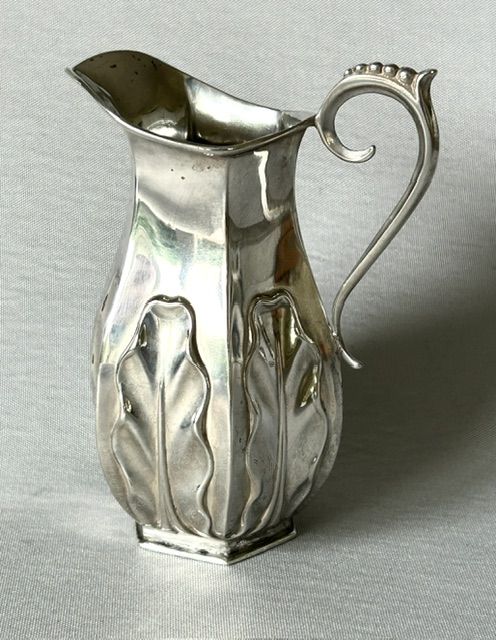
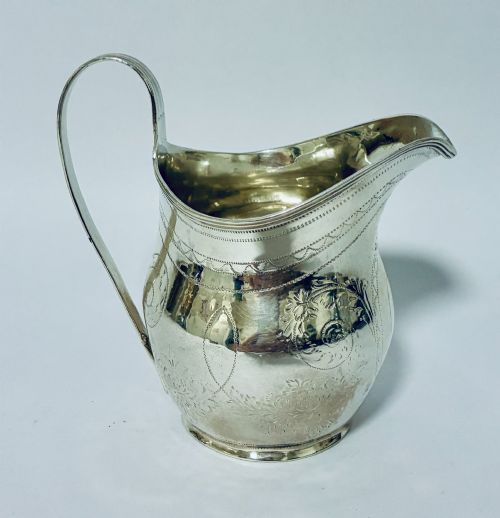
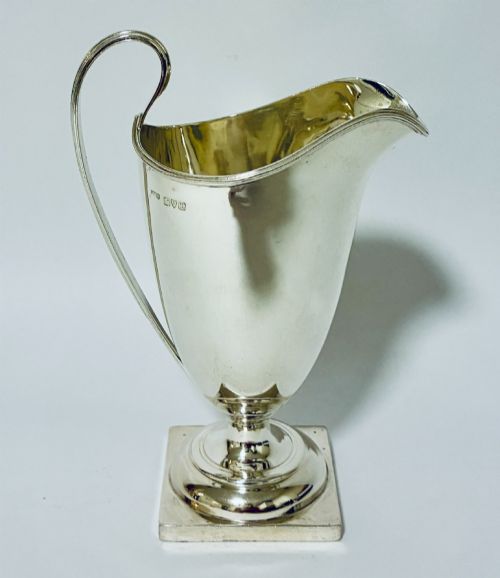
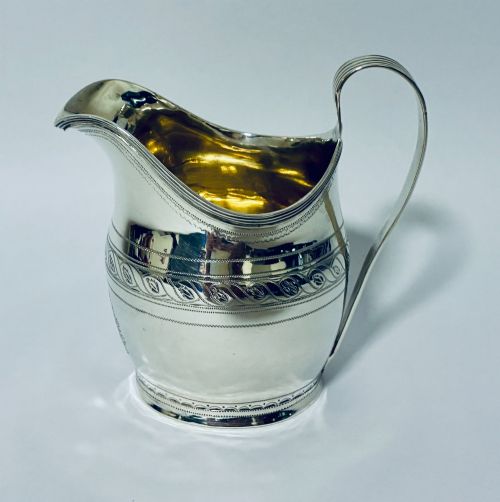
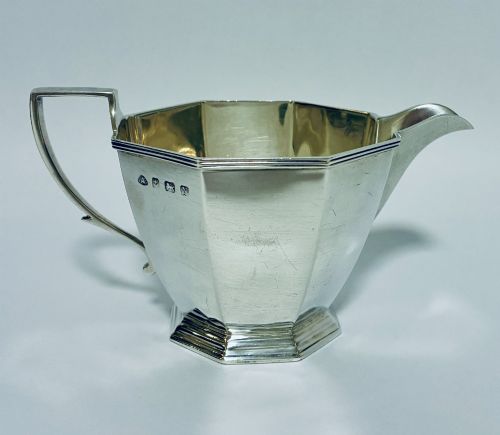
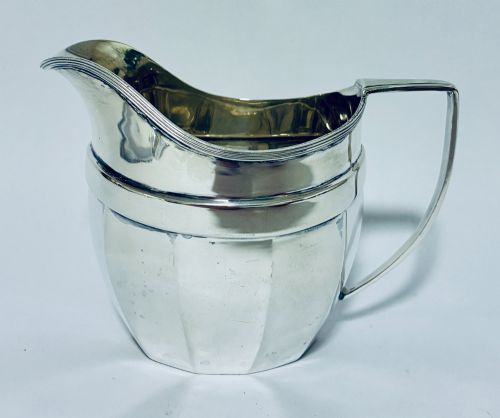
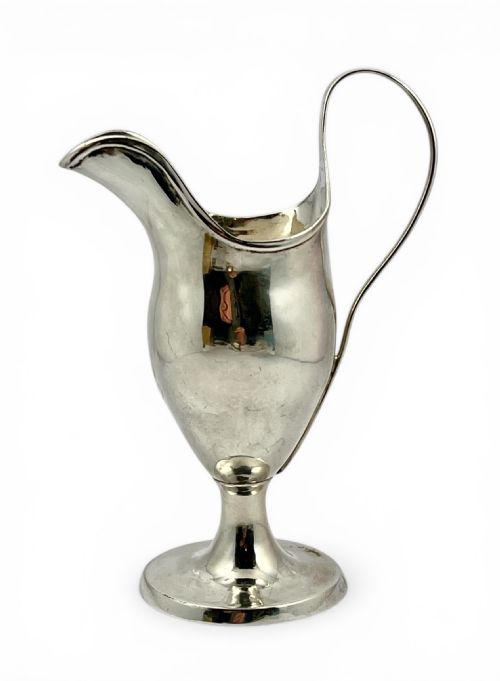
A sterling silver cream jug serves as a functional vessel for pouring milk or cream during tea service, evolving through distinct historical periods from the eighteenth century onwards. Buyers searching for a sterling silver cream jug encounter various silhouettes, including helmet shapes, sparrow beak designs, and pedestal forms.
The selection ranges from early Georgian examples with bright cut engraving to Victorian, Edwardian, and Arts and Crafts iterations. Pieces span from small domestic creamers to larger milk jugs and components of larger tea and coffee sets.
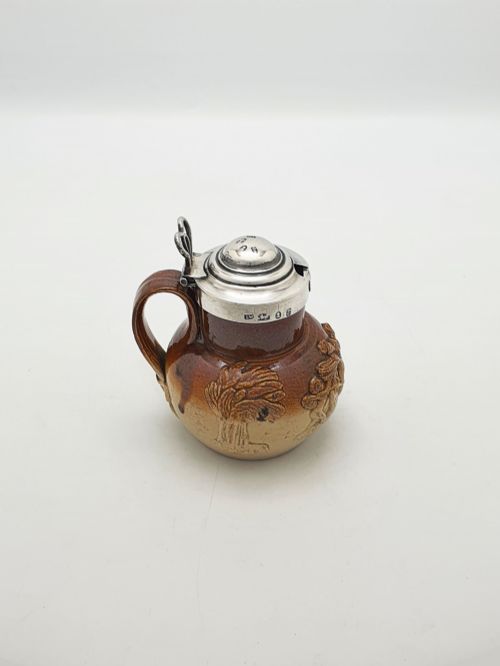
Makers utilised sterling silver alongside occasional elements of wood, stoneware collars, and gilt finishes to create functional table accessories. Examples include specialist provincial pieces, Scottish items, and imported novelties.
How They Were Made
Silversmiths constructed these vessels primarily from solid sterling silver, shaping the metal through hammering, raising, and soldering techniques. Many examples display crisp hand-engraved bright cut decoration, planished surfaces, or cast handles attached securely to the body.
Certain variations incorporate supplementary materials such as wooden handles for thermal insulation or ceramic stoneware bodies fitted with sterling silver collars and hinged lids. Interior surfaces occasionally feature gilt washes, known as silver-gilt, adding a contrasting golden tone to the silver.
Sterling Silver Cream Jug Retail Price Guide 2026
Typical asking prices for sterling silver cream jug among the pieces listed under this phrase on Sellingantiques today, from the lower quarter to the upper quarter. They describe what is for sale here now, not the wider market.
Listings feature sterling silver cream jugs spanning the Georgian, Victorian, Edwardian, and Art Deco periods, alongside Arts and Crafts examples.
What Varies In Quality
Quality rests upon the crispness of the silversmith's workmanship, evident in the definition of chased or bright cut motifs and the structural integrity of the handle and foot. Superior pieces demonstrate balanced proportions, clean soldering joints, and substantial weight relative to their size.
The distinction between standard production items and exceptional pieces often lies in the maker's mark and the complexity of the form, such as specialised helmet profiles or naturalistic detailing. Well-preserved hallmarks and untouched surfaces elevate the desirability of historical examples.
Stalker & Mitchison·James Gordon·John Emes·Peter & Ann Bateman·John Mackfarlan·John Rawlings·George Unite·Robert Pringle & Sons·Benjamin Smith·John Barrett·H G Murphy·Asprey·Paul Storr
The Sterling Silver Cream Jug Glossary
- Sterling silver
- An alloy containing 92.5 percent silver and 7.5 percent other metals, typically copper, used to ensure durability in tableware. This standard forms the basis of British hallmarking.
- Bright cut
- A method of engraving using faceted cuts that reflect light from various angles. Silversmiths applied this technique extensively during the Georgian period.
- Sparrow beak
- An early eighteenth-century form of small cream jug featuring a narrow, protruding spout resembling a bird's beak. These diminutive vessels often rest on three short feet.
- Helmet jug
- A tall-spouted vessel with a flared rim and pedestal foot, mimicking the profile of a classical helmet. This style gained immense popularity during the George III era.
- Silver-gilt
- Sterling silver that has been coated with a thin layer of gold on the interior or exterior surface. This treatment protected the silver from tarnishing by dairy acids.
Sterling Silver Cream Jug: Frequently Asked Questions
How do I identify a Georgian cream jug?
Georgian cream jugs typically display classical proportions, often featuring helmet shapes, sparrow beak profiles, or delicate bright cut engraving. Examining the hallmarks provides the exact assay office and date letter for verification.
Interior gilding and cast feet are also common characteristics of pieces produced during this extended eighteenth and early nineteenth-century era.
What is a cow creamer?
A cow creamer is a novelty jug modelled in the shape of a cow, with a hinged lid on the back for filling and milk pouring from the animal's mouth. These whimsical pieces were produced by silversmiths in various European workshops.
Collectors prize them for their sculptural detail and uncommon form within standard tableware collections.
Why do some jugs have wooden handles?
Wooden handles were fitted to prevent heat transfer from hot liquids to the user's hand during pouring. Wood provides a comfortable grip that contrasts with the thermal conductivity of silver.
These elements require gentle handling during cleaning to preserve the organic material over time.
How should I clean antique silver?
Cleaning antique silver requires a soft cloth and a specialised silver polish applied sparingly to avoid removing fine engraving or hallmarks. Ultrasonic cleaners and harsh abrasive dips should be avoided on historical pieces.
Regular, gentle dusting helps maintain the natural lustre without wearing down the metallic surface.