


Sterling Silver Tea Set
A sterling silver tea set brings the weight and bright reflectivity of solid metal to the daily ritual of pouring tea.
Forms and periods
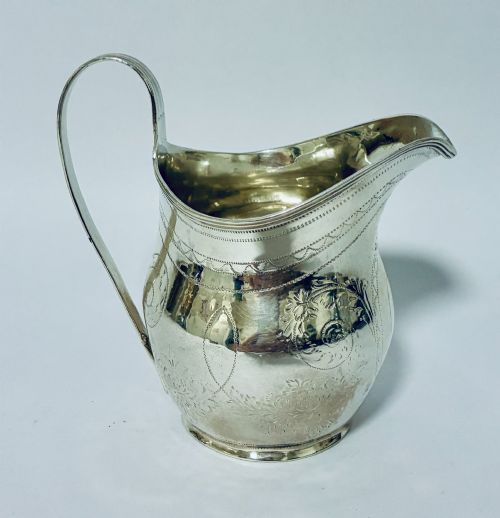
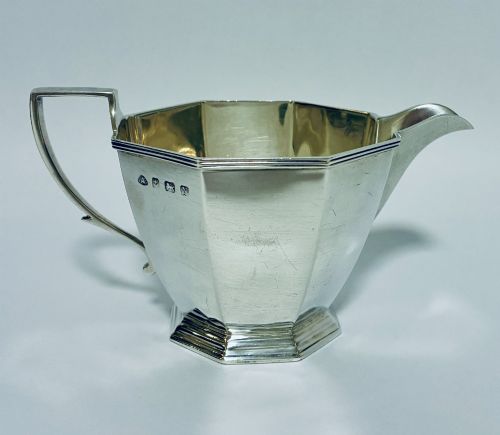
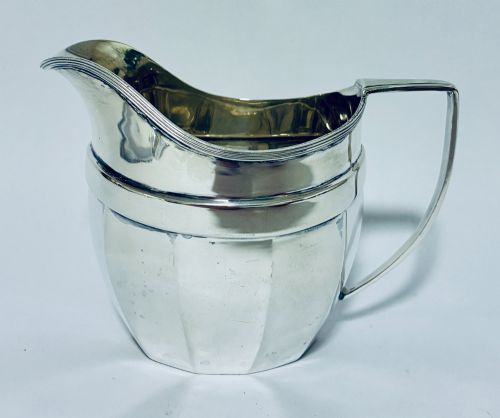
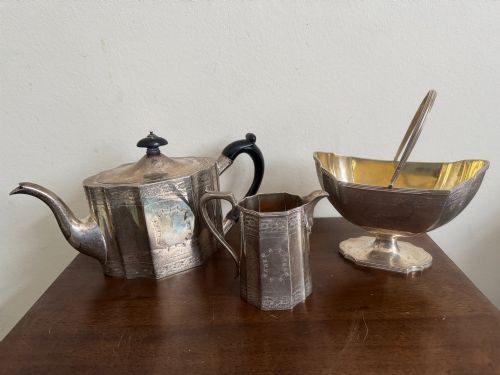
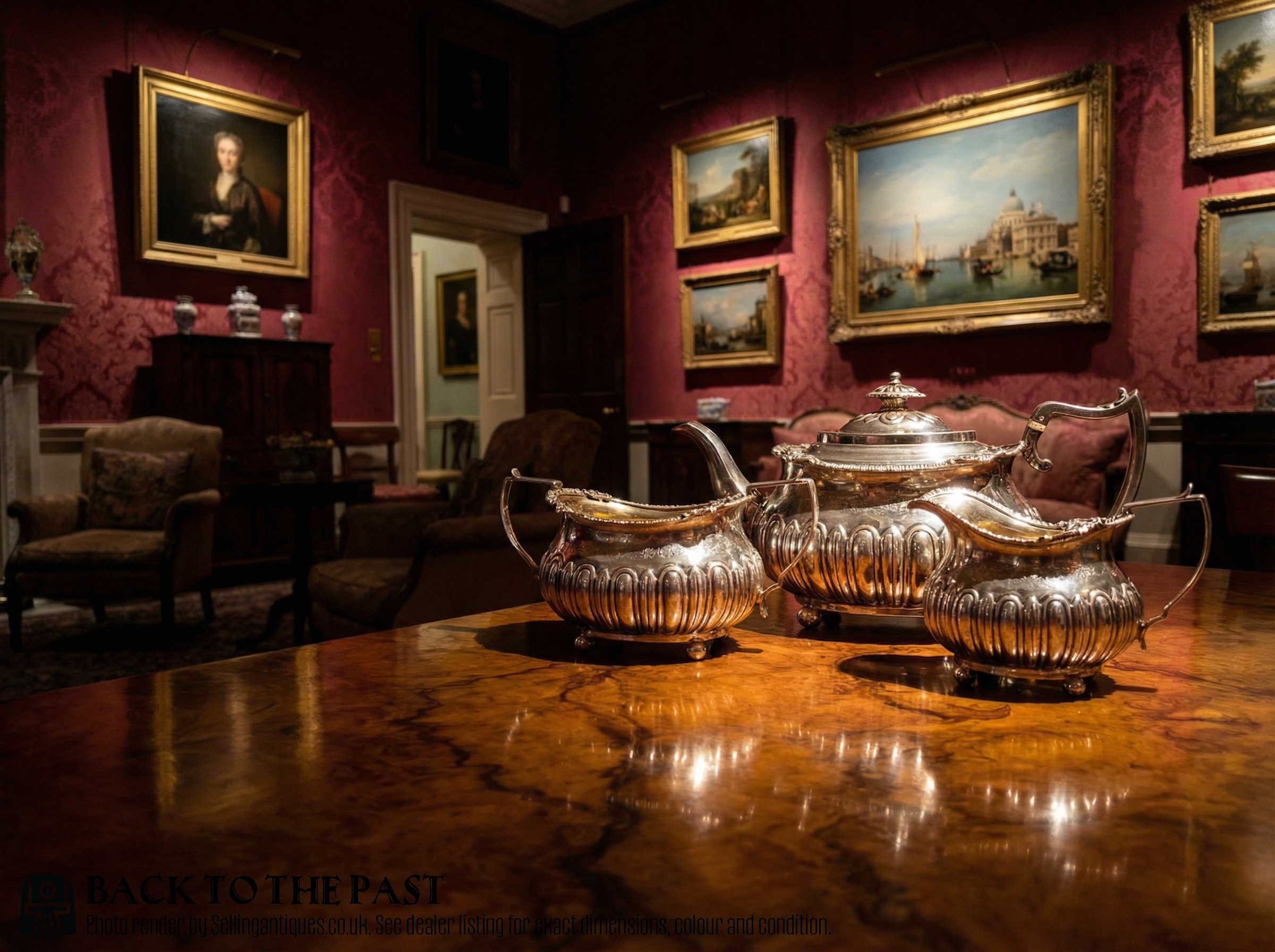
A sterling silver tea set comprises matched vessels for serving tea, which frequently include a teapot alongside a sugar bowl and milk jug, and occasionally a matching coffee pot. These services appear across multiple eras, spanning the Georgian, Victorian, Edwardian, and Art Deco periods, down to the mid twentieth century.
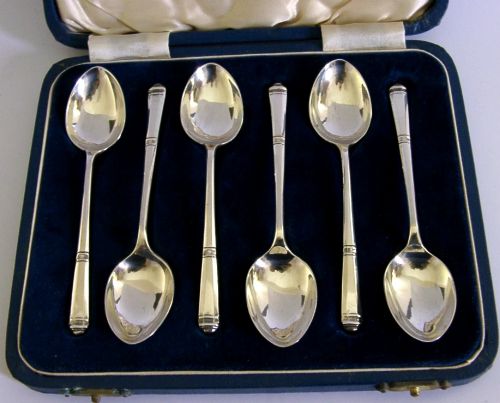
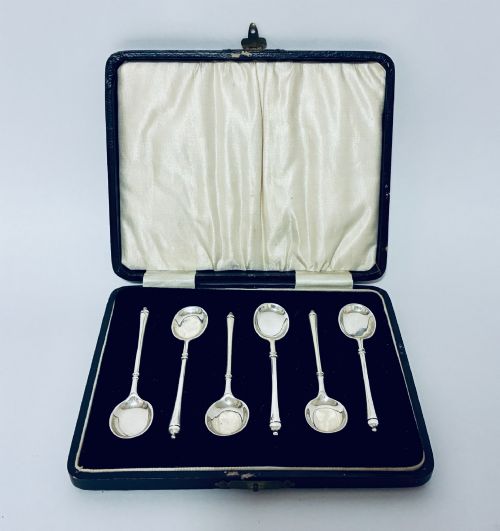
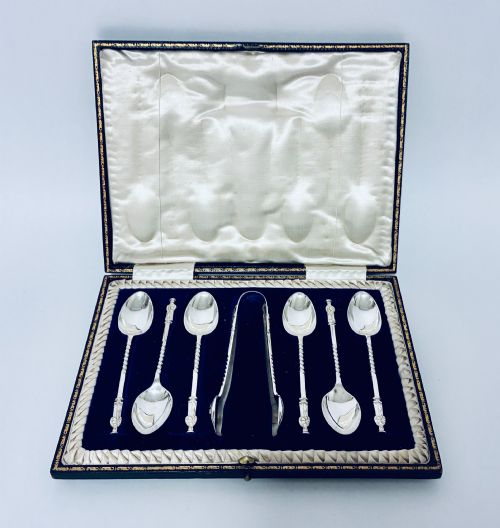
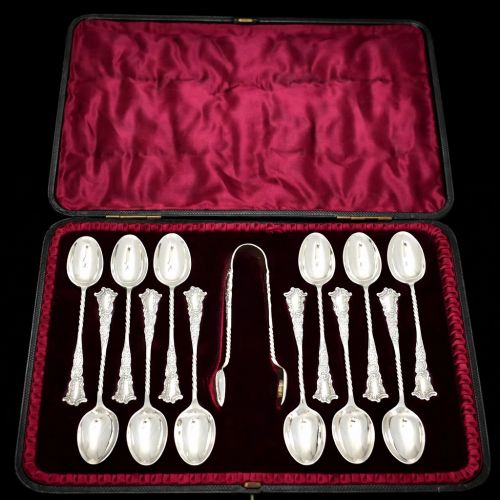
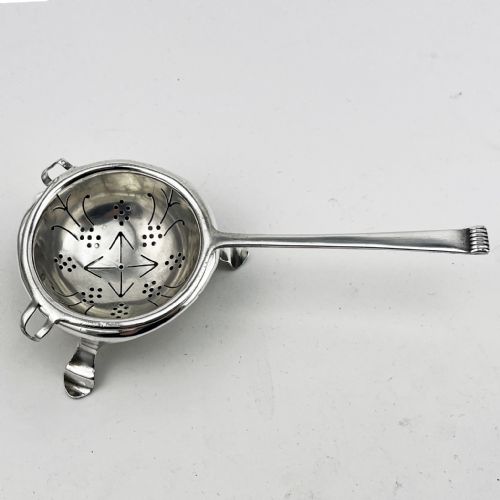
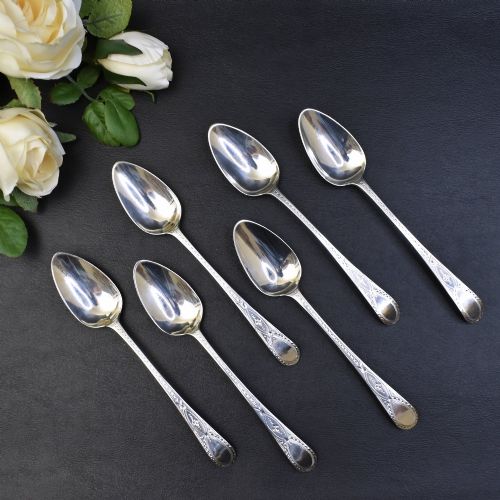
The configurations vary from compact bachelor sets intended for intimate use to full five piece tea and coffee services accompanied by fitted presentation cases. Certain examples incorporate specialised additions such as tea strainers, sugar tongs, or afternoon tea cutlery.
Stylistic influences range from restrained neoclassical lines and geometric art deco forms to ornate Victorian designs featuring decorative grape vine and leaf motifs or Indianesque ornamentation.
Materials and construction
These services are fashioned from solid sterling silver, occasionally accented with interior silver gilt surfaces or combined with wood handles and mother of pearl elements on cutlery.
Silversmiths utilised traditional techniques of raising, casting, and hand hammering to shape the pots, applying chasing and engraving for decorative borders and floral motifs.
Retail Price Guide 2026
Typical UK retail prices for sterling silver tea set, calculated from the Sellingantiques database of over a million retail prices indexed since 2003. This retail price guide relies exclusively on Sellingantiques data; no external sources or auction records are used, so the figures do not describe the wider market.
The archived evidence shows sterling silver tea sets spanning the Georgian, Victorian, Edwardian, and Art Deco periods, alongside mid twentieth century productions.
Judging quality
Quality rests in the heaviness of the gauge of silver and the crispness of chased or engraved detailing, where deeper hand work outlasts shallow stamping.
Harmony of design across every piece in a service, from the matching profile of the handles to the balance of the spouts, separates standard sets from exceptional ones.
George Fox·Benjamin Smith·Harry Atkin·William Hunter·Mappin And Webb
The Sterling Silver Tea Set Glossary
- Sterling silver
- An alloy consisting of ninety two point five percent silver by mass, with the remainder being other metals usually copper. This standard composition provides the durability required for functional holloware.
- Silver gilt
- Sterling silver that has been coated with a thin layer of gold on its interior surfaces. This technique protects the silver from the corrosive properties of tannin and sugar.
- Bachelor set
- A smaller scaled tea service typically comprising three pieces. These were originally designed for single households or smaller sitting rooms.
- Holloware
- Tableware vessels such as teapots, jugs, and bowls that are formed as three dimensional hollow objects rather than flatware.
- Hallmark
- An official stamp applied by an assay office indicating the purity of the metal, the year of manufacture, and the maker. These marks allow precise dating of British silver.
Frequently Asked Questions
What pieces belong in a standard tea set?
A standard set centres on a teapot accompanied by a matching milk jug and sugar basin. Larger services expand this grouping to include a hot water kettle on a stand and a matching coffee pot.
Smaller domestic variations, such as bachelor sets, reduce the service to three essential vessels. Additional items like caddy spoons or strainers sometimes complete the ensemble.
How do I identify the date of a silver set?
Dating relies upon the hallmarked stamps struck directly into the metal by an assay office. These marks include standard symbols denoting the town of testing, the fineness of the silver, and a specific date letter.
Comparing the style of the handles, feet, and body shape against known decorative periods helps confirm the era of manufacture.
How should I clean silver tea vessels?
Routine maintenance requires warm water, mild soap, and a soft cloth to remove surface dust and oils. Harsh abrasive pastes scratch the soft metal and erode delicate hand engraving over time.
Proper storage in dry, tarnish resistant cloths prevents rapid oxidation between uses.
What is the difference between a tea service and a tea and coffee set?
A traditional tea service focuses exclusively on vessels designed for brewing and serving tea. A tea and coffee set introduces a larger tall pot specifically proportioned for brewing coffee.
Both configurations share identical stylistic decoration and matching maker marks to ensure visual unity across the pieces.