


Elizabeth II Silver
Elizabeth ii silver comprises mid-century tableware, novelties and decorative items produced during the current royal reign.
Elizabeth II Silver
When you search for elizabeth ii silver, you encounter items produced from the nineteen fifties onward, reflecting mid-century design currents and traditional silversmithing. The selection ranges from functional tea and coffee sets to novelty animal figures, cruet sets and desktop accessories.
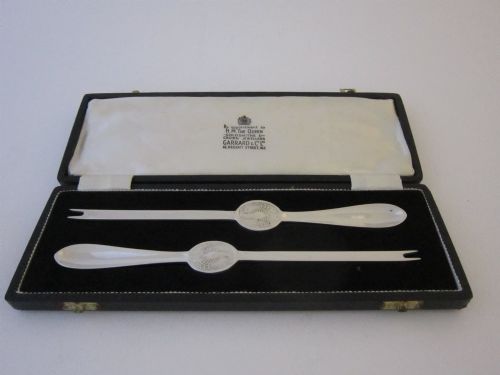
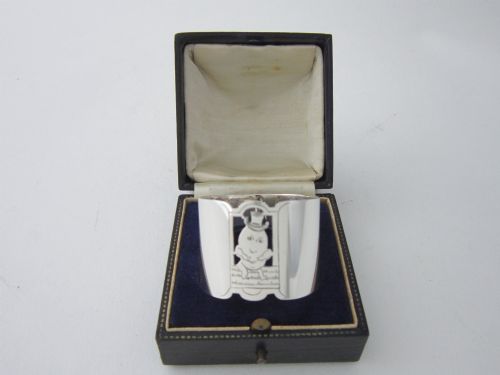
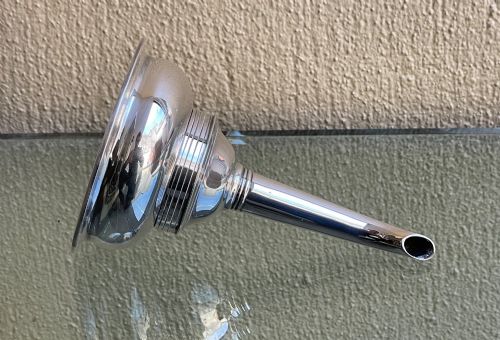
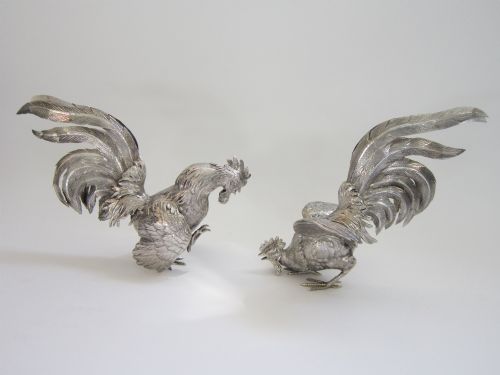
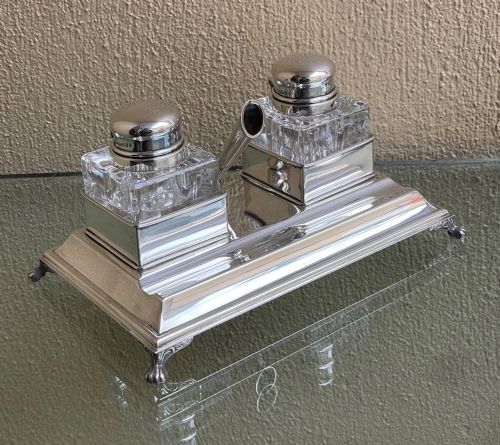
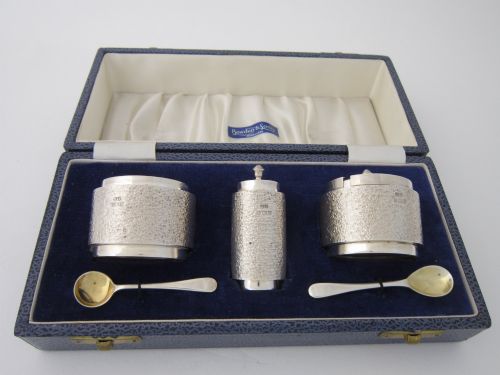
Table ornaments and barware dominate the offerings, alongside practical items such as napkin rings, wine funnels and cutlery. These pieces demonstrate how post-war British makers combined traditional forms with imaginative novelty designs.
Originating predominantly from mid-century British workshops and major assay offices, these items capture the transition from post-war austerity into modern interior aesthetics.
Materials and technique
Sterling silver forms the primary structural material, often enhanced with gold plate or paired with cut glass, enamel, wood and leatherette components. Makers employed casting, hammering and chasing techniques to achieve detailed animal models and functional vessels.
Specialised applications include colourful enamel finishes on compacts and candlesticks, alongside fitted velvet linings within presentation boxes and trays.
Materials recorded in these listings include sterling silver, gold plate, enamel, cut glass, velvet, wood and leatherette.
Quality differences
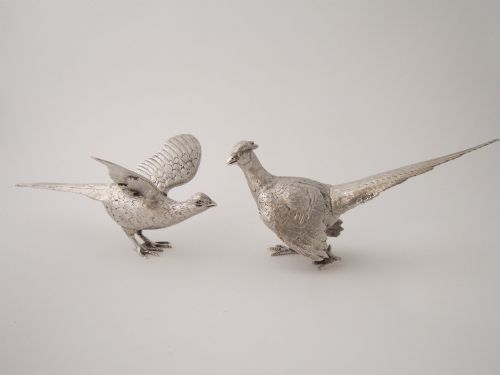
Quality rests upon the precision of the silversmith's hand in modelled figures, such as pheasants and cockerels, where feather detail and naturalistic posture dictate the piece's standing. Substantial metal weight and balanced proportions distinguish utilitarian items like trays and tea services.
The reputation of the maker and the clarity of the assay office hallmarks provide additional distinction, marking the difference between standard production items and bespoke commissions.
Garrard·Lowe And Sone·Stuart Devlin·Edward Barnard·Mappin And Webb·Richard Comyns·Elizabeth Morley
The Elizabeth II Silver Glossary
- Sterling silver
- A silver alloy containing ninety-two point five percent pure silver and seven point five percent other metals, usually copper, ensuring durability for tableware.
- Silver gilt
- Silver that has been coated with a thin layer of gold on its surface, creating a two-tone decorative effect seen on novelty eggs and wine coasters.
- Assay office
- An official body that tests the purity of precious metals and stamps items with hallmarks indicating origin, standard and year of testing.
- Wine funnel
- A specialised funnel fitted with a removable strainer, used for decanting wine into a decanter while catching sediment.
- Novelty silver
- Functional or decorative silver objects shaped into whimsical forms, such as animals, birds or eggs, popular among mid-century collectors.
Elizabeth II Silver: Frequently Asked Questions
What defines elizabeth ii silver?
Elizabeth ii silver encompasses items manufactured in sterling silver and silver gilt during the reign of Queen Elizabeth the Second, spanning the nineteen fifties through to the nineteen seventies.
These pieces reflect mid-century British design, ranging from practical dining accessories to detailed animal ornaments.
How do I identify the date of a piece?
British silver pieces bear a series of punch marks known as hallmarks, which include a date letter indicating the specific year the item was assayed.
Additional marks typically show the maker's mark, the standard mark for sterling silver, and the symbol of the assay office such as London, Birmingham or Sheffield.
How should I care for sterling silver?
Regular, gentle dusting with a soft, lint-free cloth helps maintain the surface lustre of sterling silver items without causing abrasion.
When polishing becomes necessary, use a dedicated silver polish and avoid harsh chemical dips that can damage enamel or remove intended patination from recessed details.
Were these items meant for daily use?
Many items, including tea sets, cutlery, cruet sets and napkin rings, were produced for functional dining and household use during the mid-twentieth century.
Other objects, such as novelty animal figures and commemorative letter openers, served primarily as decorative table ornaments or presentation pieces.