



Vintage Sterling Tea Service
A vintage sterling tea service brings genuine silver to the afternoon table, offering everything from full matching sets to individual teapots and tongs.
Vintage Sterling Tea Service
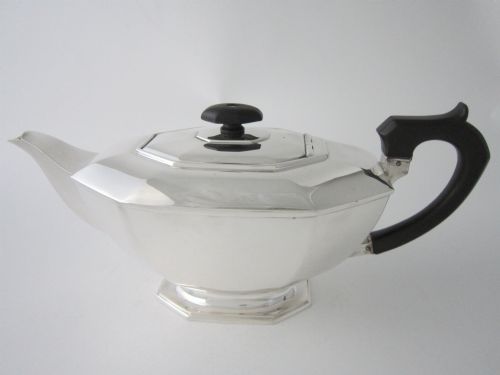
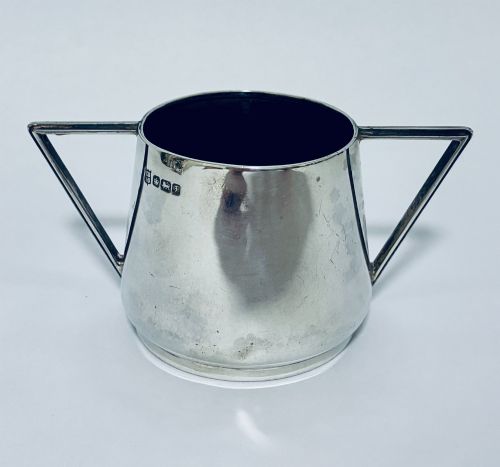
A vintage sterling tea service covers a broad spectrum of silver table items, ranging from complete five-piece tea and coffee sets down to solitary teapots, cream jugs, and sugar bowls. The items gathered here span multiple eras, encompassing Georgian origins, Victorian craftsmanship, and later Art Deco and mid-century designs.
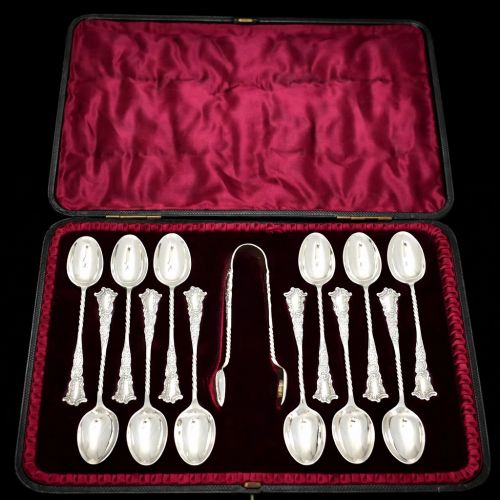
Beyond the core vessels, related pieces such as sugar tongs, tea spoons, trays, and table bells frequently appear alongside the primary pots. These sets and individual pieces utilise sterling silver matched with materials like ebonised wood, porcelain, and bone.
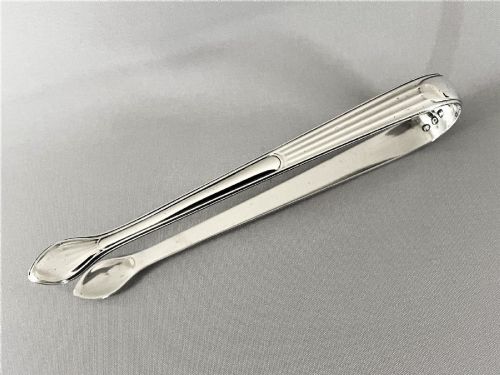
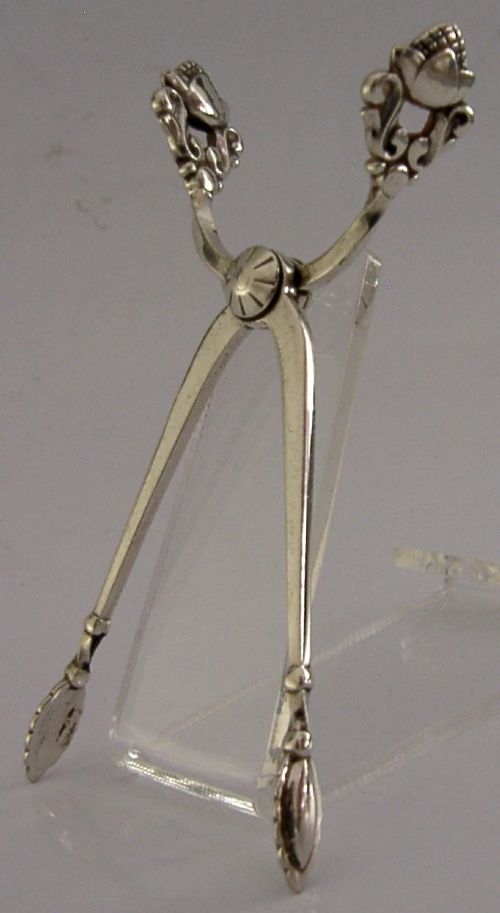
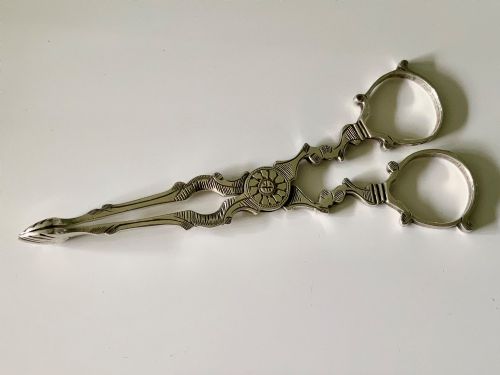
The most common configurations on this page include multi-piece matching settings from the mid-twentieth century alongside individual Victorian and Georgian vessels. Buyers will also find specialised implements like sugar nips bearing distinct stylistic markers from their respective decades.
Materials and methods of manufacture
Silversmiths constructed these pieces primarily from sterling silver, shaping bodies through hammering, spinning, or casting depending on the era. Handles frequently incorporate insulating materials like ebonised wood or bone to protect hands from heat.
Decorative details rely on hand engraving, embossing, and applied cast borders, reflecting the dominant style of the period from Neoclassical to Art Deco. Fitted cases sometimes accompany smaller sets, lined in materials such as velvet or leatherette.
Listings span periods from the Georgian era through Victorian, Art Deco, and mid-century modern designs, incorporating wood, bone, and porcelain.
Judging the quality of silver tea wares
Quality rests upon the weight of the silver and the crispness of the maker marks, which indicate the standard of production. Substantial gauge silver resists dents and maintains structural integrity across spouts and handles.
The precision of assembly, particularly the fit of hinged lids and the balance of handles, distinguishes standard production from finer workshop output. Design execution, whether clean geometric lines in Art Deco items or detailed chasing on Victorian pieces, dictates overall merit.
Bateman Family·GEORG JENSEN·Josiah Williams & Co
The Vintage Sterling Tea Service Glossary
- Sterling silver
- An alloy containing 92.5 percent silver by mass, with the remainder consisting of other metals, usually copper. This standard forms the basis of British hallmarked silver.
- Hallmark
- A series of official marks stamped on items to show the purity of the silver, the maker, and the year of assay. These stamps provide a reliable guide to origin and age.
- Cream jug
- A small pitcher designed for holding milk or cream, frequently accompanying teapots in matching service sets. They appear in forms matching the larger pots.
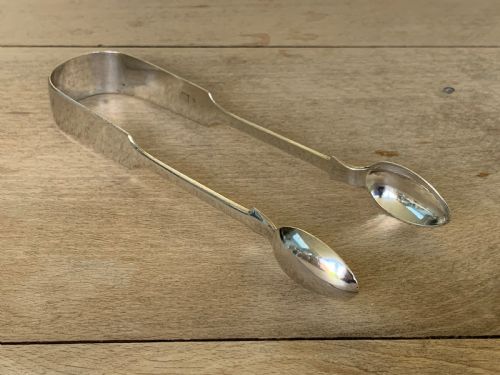
- Sugar tongs
- Springing implements used for lifting sugar lumps, often featuring decorative bowls and claw or spoon ends. They are frequently found grouped with teaware.
- Salver
- A flat metal tray used for serving drinks or presenting items, often standing on small feet. Larger examples function as drinks trays with integrated handles.
Vintage Sterling Tea Service: Frequently Asked Questions
What pieces belong in a full tea service?
A full service typically comprises a teapot, coffee pot, sugar bowl, and milk or cream jug, often arranged upon a matching tray. Additional items like table bells or tea strainers sometimes complete the ensemble.
Individual vessels also appear independently, allowing collectors to build collections over time through separate purchases of compatible styles.
How do I identify the age of silver?
Age is determined primarily through hallmarks, which record the assay office and the year letter corresponding to when the piece was tested. Stylistic indicators, such as Georgian neoclassical lines or 1930s Art Deco geometries, provide additional clues.
Maker marks also help narrow down the period of production when official date letters are rubbed or missing.
Can I use these silver items daily?
These pieces were built for practical use, though modern owners often reserve them for special occasions or display. Regular washing in warm soapy water with a soft cloth keeps the silver clean without abrasive wear.
Wooden elements and bone handles require careful handling to avoid prolonged immersion in water during cleaning.
What is the difference between silver and sterling silver?
Sterling silver denotes an alloy of 92.5 percent pure silver, regulated by strict assay standards to ensure durability. Pure silver alone is too soft for practical items like teapots and cutlery.
The remaining percentage consists of strengthening metals, which allow the silver to hold its shape under daily use.