



Sterling Silver Service
A sterling silver service brings together matched pieces for dining, tea, or dessert, offering both utility and craftsmanship from centuries past.
Sterling Silver Service
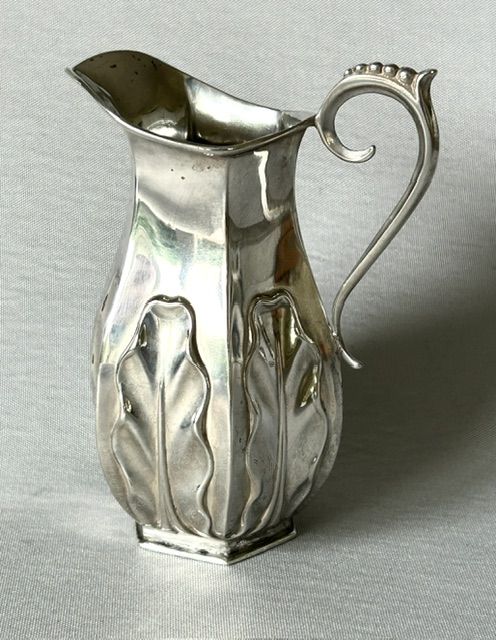
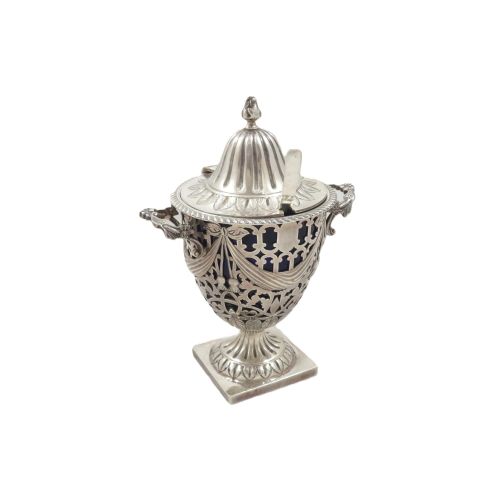
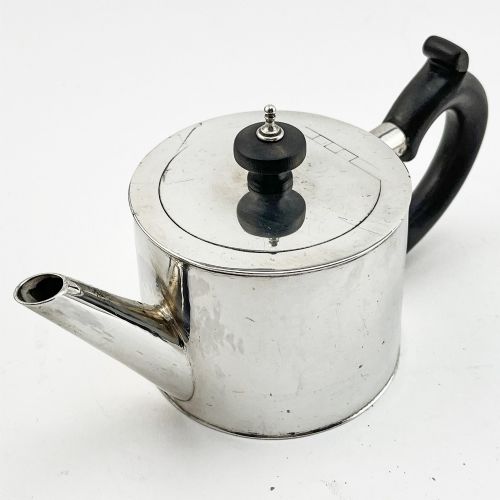
A sterling silver service comprises coordinated collections of tableware, spanning tea and coffee sets, cutlery canteens, and specialised dessert services. Buyers searching this phrase encounter multi-piece settings designed for formal dining or tea service, incorporating items like cream jugs, sugar bowls, teapots, and matching flatware.
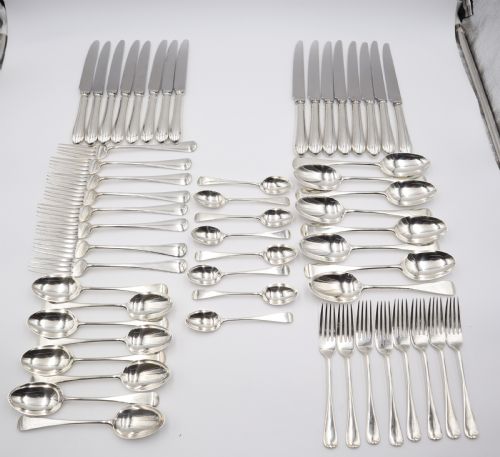
The selections on this page range from compact bachelor tea sets to large dining canteens containing dozens of pieces. Origins stretch across Georgian, Victorian, Edwardian, and Art Deco periods, utilising traditional forms shaped by silversmiths over centuries.
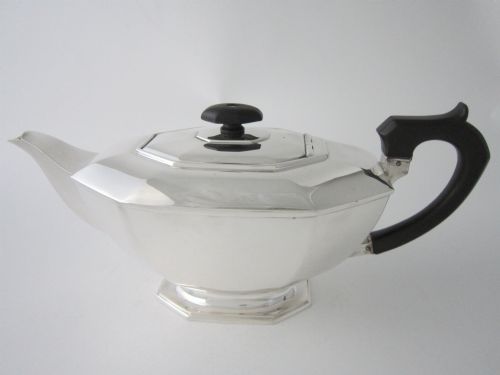
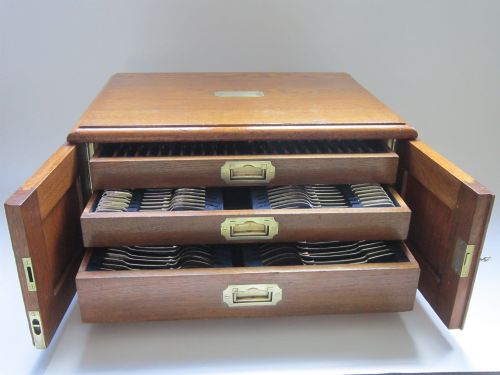
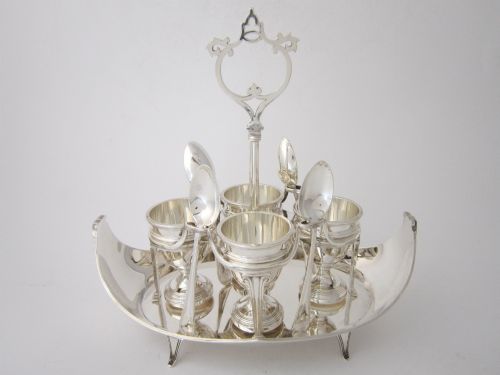
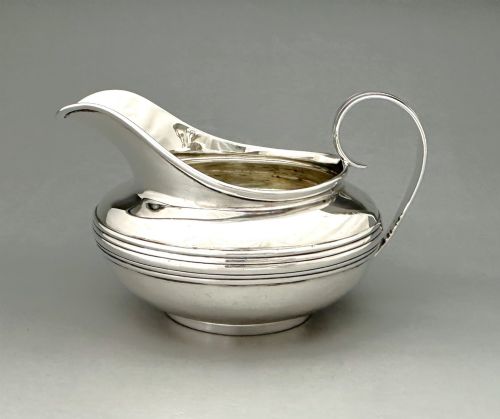
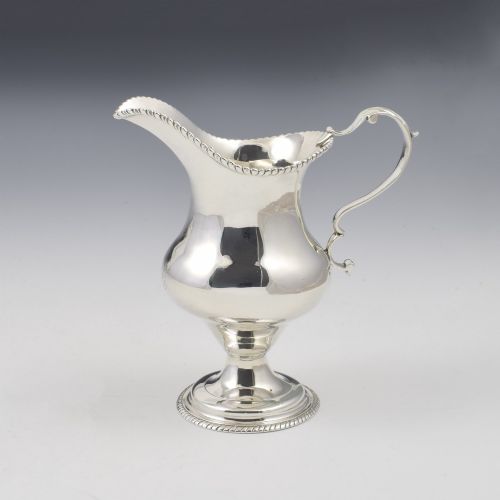
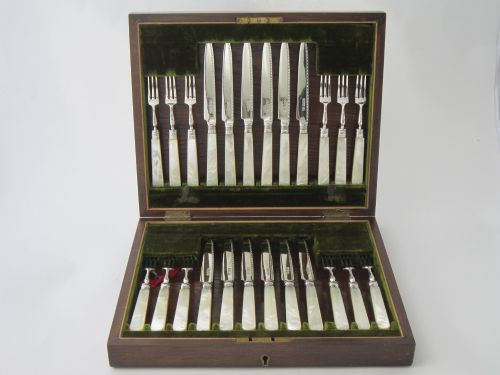
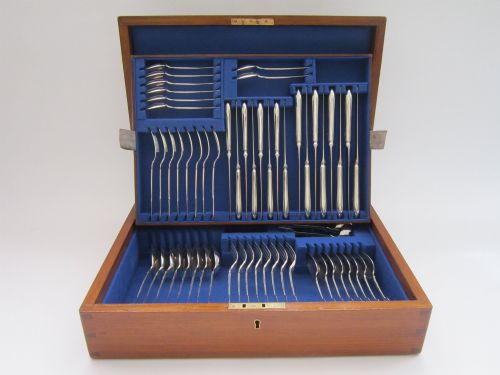
Tea and coffee services form a substantial portion of the available items, frequently accompanied by matching trays, sugar baskets, and cream jugs. Cutlery sets and fruit services complete the range, often housed within their original fitted wooden cases.
Materials and construction
Items in a sterling silver service are fashioned primarily from solid sterling silver, frequently paired with supplementary materials such as wood, bone, ivory, mother of pearl, and ebony for handles and insulators. Silver gilt and velvet linings appear within fitted presentation cases and specific holloware interiors.
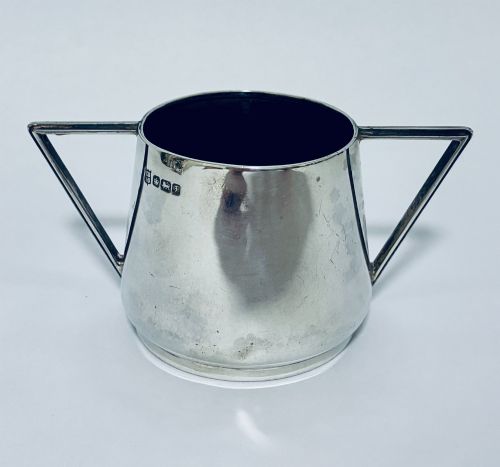
Silversmiths employed techniques including casting, hammering, raising, and intricate hand engraving to shape the metal and decorate surfaces. Maker marks, date letters, and assay office stamps pressed into the silver record the exact origin and year of manufacture.
Distinctions in quality
The standard of a sterling silver service rests upon the crispness of its chased or engraved ornamentation and the structural integrity of its components. Master silversmiths achieved heavier gauges of metal, balanced proportions, and seamless joints that elevate certain services above standard domestic production.
Completeness significantly influences the character of a set, particularly in multi-piece canteens and fitted dessert services retaining all original implements. The presence of documented maker marks from renowned workshops and original fitted wooden cases also distinguishes superior examples.
Bateman Family·Paul Storr·Edward Barnard·Emile Viner·Gorham·Shreve And Co
The Sterling Silver Service Glossary
- Sterling silver
- An alloy consisting of 92.5 percent silver by mass, with other metals added for strength. This standard has governed British silver production for centuries.
- Holloware
- Tableware items such as teapots, coffee pots, sugar bowls, and cream jugs that possess volume. These pieces require skilled raising and soldering techniques.
- Hallmark
- A series of official marks stamped on items to indicate the standard of silver, the assay office, the maker, and the year of production. They provide definitive historical dating.
- Canteen
- A fitted box, chest, or case designed to store a matched set of cutlery or flatware. They are frequently lined with velvet and fashioned from solid wood.
- Fiddle pattern
- A traditional nineteenth-century flatware handle design characterised by a narrow stem expanding into a shape resembling a fiddle. It remains common in antique cutlery sets.
Sterling Silver Service: Frequently Asked Questions
What pieces comprise a complete tea service?
A standard tea service typically includes a teapot, a cream jug, and a sugar bowl, while larger examples add a coffee pot, hot water kettle, and matching tray.
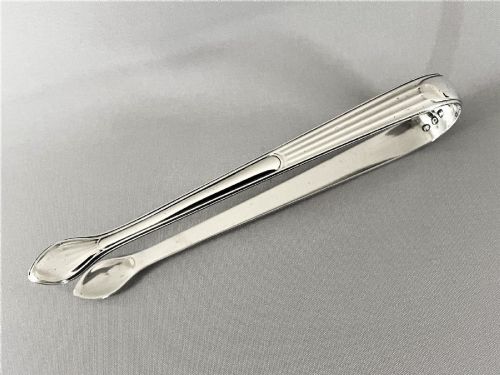
Additional accessories such as sugar tongs, sifter spoons, and strainers frequently accompany these configurations to form a cohesive collection.
How do I care for antique silver daily?
Wash silver pieces by hand using warm water and a mild dish soap, drying them thoroughly immediately afterwards with a soft cloth. Avoid using harsh abrasive dips that can strip the natural patina accumulated over the decades.
Store items in tarnish-resistant cloths or fitted wooden cases away from direct sunlight and damp environments.
How can I date my silver service?
Locate the series of small stamped hallmarks on the base, rim, or reverse of each piece. The date letter stamp corresponds to a specific assay office table indicating the exact year of manufacture.
Maker marks and standard purity marks like the lion passant further confirm the period and origin.
Were dessert services used differently than cutlery sets?
Dessert services were specifically assembled for serving fruit and sweet courses at the conclusion of formal meals, incorporating specialised knives and forks with mother of pearl or ivory handles.
Standard cutlery sets were intended for primary dining courses and utilised solid silver or bone-handled implements within large canteens.