



Silver Table Models
Silver table models bring character to a room, ranging from detailed animal figures to mechanical clocks.
Silver Table Models
When you search for silver table models, you encounter a diverse gathering of decorative ornaments, desk accessories, and timepieces designed to sit upon furniture rather than function as flatware. These pieces span from the late Victorian and Edwardian eras through to the mid-century decades, crossing periods like Art Deco and Mid-Century Modern.
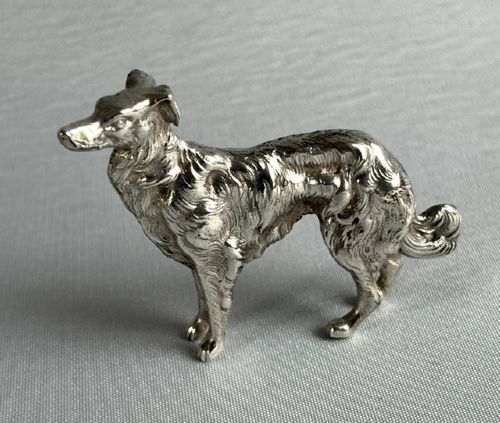
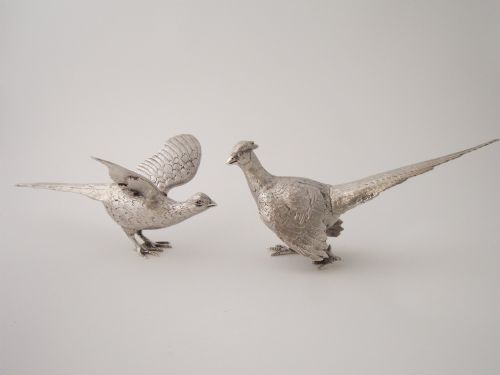
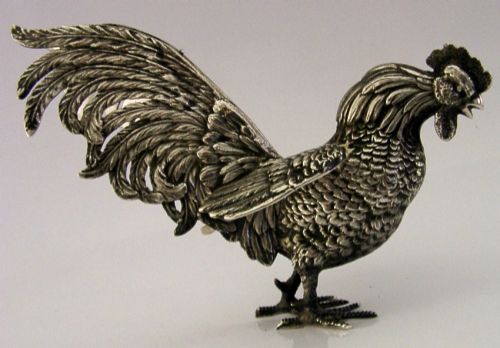
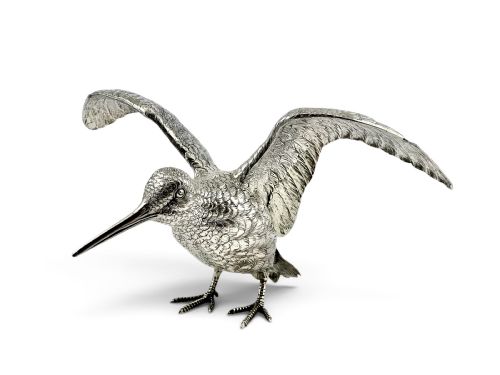
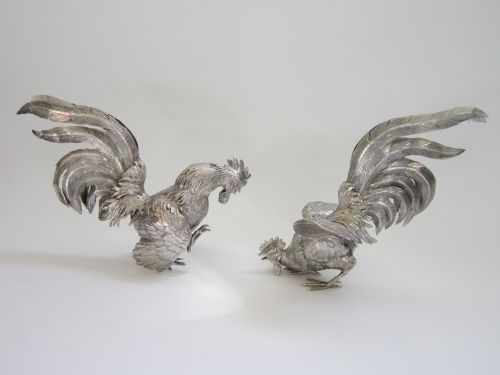
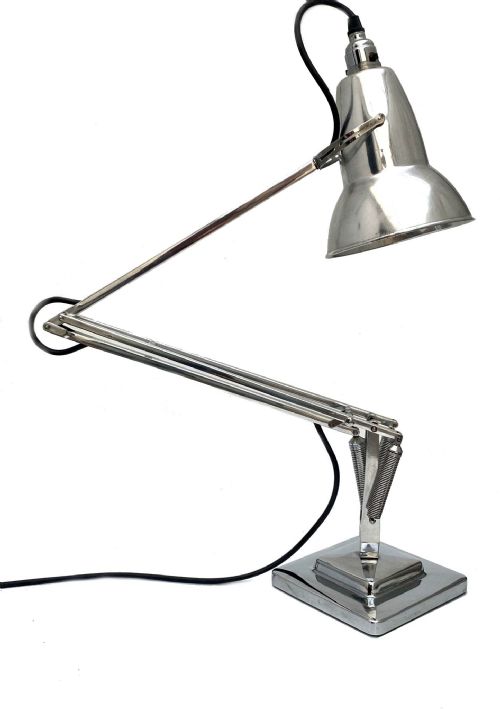
You are most likely to meet animal figures among these listings, particularly birds such as pheasants, cockerels, and woodcocks, alongside mechanical desk items and mantel clocks. The forms include sculptural table ornaments, fitted boxes, and specialised desk lamps.
Origin points stretch from British workshops to continental makers in Germany and France, demonstrating how international silversmiths catered to a taste for sculptural display objects. Each piece occupies a space between utility and pure ornament.
Materials and construction
The primary materials recorded are sterling silver, solid silver, and silver plate, often worked through casting techniques to achieve high anatomical or architectural detail. Silversmiths shaped metal into realistic animal forms, vehicles, and vessels, sometimes combining silver with glass, brass, chrome, or enamel.
Mid-century timepieces introduce rhodium plating alongside brass and glass bell-jars, while earlier decorative boxes and clocks employ pewter or specialised plating methods. Surface finishes range from polished sterling to textured feather and fur chasing.
Silver Table Models Retail Price Guide 2026
Typical asking prices for silver table models among the pieces listed under this phrase on Sellingantiques today, from the lower quarter to the upper quarter. They describe what is for sale here now, not the wider market.
Silver animal models range from fierce wolfhounds and fighting cockerels to polite little salt-dispensing chicks.
Quality and execution
The distinction between standard commercial output and superior craftsmanship lies in the fidelity of the casting and the crispness of the surface detail. Master silversmiths and notable makers achieve lifelike textures in feathers, fur, and mechanical components that lesser productions blur or smooth over.
Weight and substantial gauge metal separate solid silver models from plated or lighter alloy versions, giving finer pieces a satisfying heft. The presence of clear hallmarks, maker signatures, and original mechanical components further elevates the standing of a model.
Berthold Muller·Mappin & Webb·Sampson Mordan·Herbert Terry·Liberty & Co·Mario Bucellati·Jaeger Le Coultre
The Silver Table Models Glossary
- Sterling silver
- An alloy containing 92.5 percent silver by mass, with the remainder usually copper, standard for British silver production.
- Solid silver
- A term indicating an object is made entirely of silver metal rather than plated over a base metal core.
- Silver plate
- A layer of silver applied to a base metal foundation, such as copper, brass, or pewter.
- Rhodium plating
- A hard, corrosion-resistant platinum-group metal finish applied to metals to prevent tarnishing and provide a bright surface.
- Hanau
- A German town historically known for the production of decorative silver and novelty items made for export.
Silver Table Models: Frequently Asked Questions
How were silver animal models used?
Owners placed these figures upon dining tables, sideboards, and mantelpieces as conversational decorative accents. Some dual-purpose examples also functioned as salt and pepper cellars or small boxes.
Their presence added a touch of nature or whimsy to formal interior decoration schemes during the Edwardian and mid-century periods.
How do I identify the period of a model?
Dating relies heavily on accompanying hallmarks, maker signatures, and stylistic indicators associated with movements like Art Deco or Arts and Crafts. Researching specific registry numbers or signatures helps confirm the era of production.
Materials also offer clues, such as the distinct mid-century use of rhodium plating in mechanical clocks versus traditional silver casting in earlier animal models.
How should I care for silver models?
Maintenance involves gentle dusting and occasional cleaning with appropriate silver care products to prevent excessive tarnish while preserving delicate surface details. Avoiding harsh abrasives protects hand-chased textures and maker marks.
For mechanical items like clocks or lamps, keeping them in stable environmental conditions preserves both their exterior metal finishes and their internal components.