
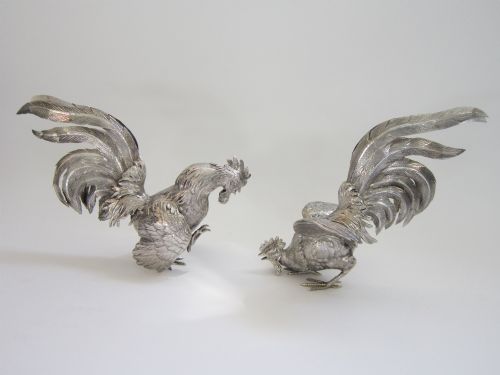


Sterling Silver Sculptures
Sterling silver sculptures are detailed miniature metal figures and table ornaments that bring character and history directly to a desk or mantelpiece.
Sterling Silver Sculptures
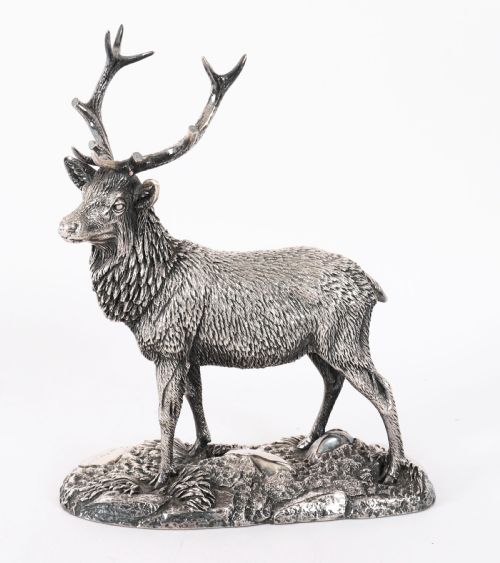
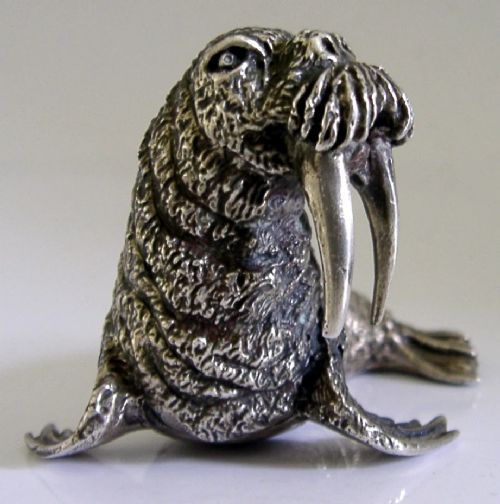
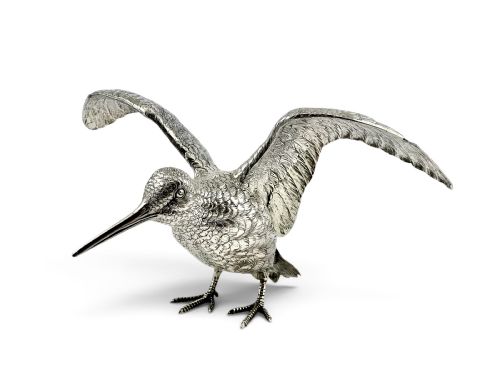
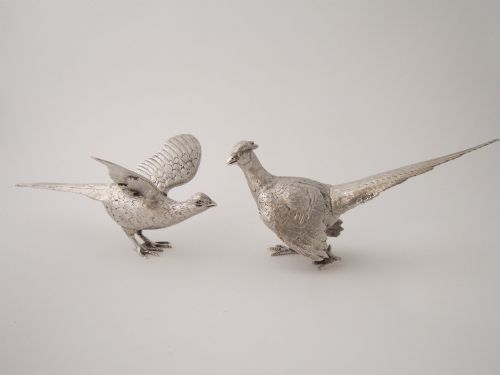
Sterling silver sculptures encompass a wide array of solid metal figures, animalier studies, table ornaments, and decorative objects. When you search for sterling silver sculptures, you encounter everything from naturalistic birds and foxes to architectural desk weights and figurative models spanning the Victorian era through the mid-twentieth century.
The pieces on this page range from early twentieth-century Edwardian and George V table items to later mid-century British and continental creations. You will frequently find animals rendered in silver, alongside specific functional decorative pieces like inkstands, paperweights, and sugar boxes.
Makers and designers from London workshops and continental houses produced these items in various weights and scales, sometimes mounting them on wood or ebony plinths. Each piece serves primarily as a decorative ornament or functional desk accessory rather than large-scale monumental art.
How they were made
Makers utilised traditional casting and chasing techniques to shape sterling silver into lifelike animal and human figures. Molten silver or cast components were worked by hand to render fine feather, fur, and facial details.
Many of the heavier table ornaments and figures incorporate solid cast construction, occasionally combined with secondary materials such as vitreous enamel or mounted upon carved wood and ebony plinths.
The listings on this page span the Victorian, Edwardian, George V, and mid-century eras, incorporating materials such as sterling silver, wood, and vitreous enamel.
What varies in quality
Quality rests significantly on the crispness of the casting and the sensitivity of the hand-chased surface detail. Finer sculptures display distinct, lifelike textures in fur and plumage, whereas simpler pieces show softer definition.
Substantial metal weight and solid construction separate the sturdier table ornaments from lighter items. The presence of clear hallmarks, maker signatures, and original bases also distinguishes the better examples.
Tom Mackie·Berthold Muller·Edward John Barnard·Mario Bucellati
The Sterling Silver Sculptures Glossary
- Animalier
- A nineteenth and twentieth-century artistic style focused on the realistic portrayal of animals. This approach often captures creatures in dynamic or natural postures.
- Hallmark
- An official stamp applied to precious metals indicating purity, the assay office, and the date of testing. These marks help verify the age and origin of silver objects.
- Chasing
- A metalsmithing technique used to decorate or shape metal by hammering from the front. This process pushes the metal inward to create fine surface relief and texture.
- Inkstand
- A desk accessory comprising a tray fitted with inkwells and sometimes sanders or pen holders. They often incorporated figural silver elements or animals during the Edwardian period.
Sterling Silver Sculptures: Frequently Asked Questions
Are these sculptures solid silver?
The pieces listed here are described as sterling silver, solid silver, or silver, indicating substantial metal content rather than simple silver plating. Many are heavy cast figures created entirely from the precious metal.
Check individual listings for specific weight details and hallmark descriptions to confirm the material composition. Some items may also incorporate wooden plinths or enamel accents alongside the primary silver structure.
What is an animalier sculpture?
An animalier sculpture depicts animals in realistic, anatomical detail, capturing them during movement or repose. This genre became particularly popular during the Victorian and Edwardian periods among makers producing desk ornaments and figures.
Sculptors studied creatures closely to render accurate fur, muscle structure, and posture. These pieces served as decorative table ornaments for collectors of natural history subjects.
How do I know the age of a silver figure?
You can determine the age of British silver figures by examining the hallmarks stamped into the metal, which typically include a date letter indicating the exact year of assay. Additional clues come from the stylistic traits of the period, such as Edwardian or mid-century design characteristics.
Makers' marks and signatures also provide evidence for dating and attribution. Comparing the form and construction to dated examples helps narrow down the timeframe.