





Silver Bird Sculpture
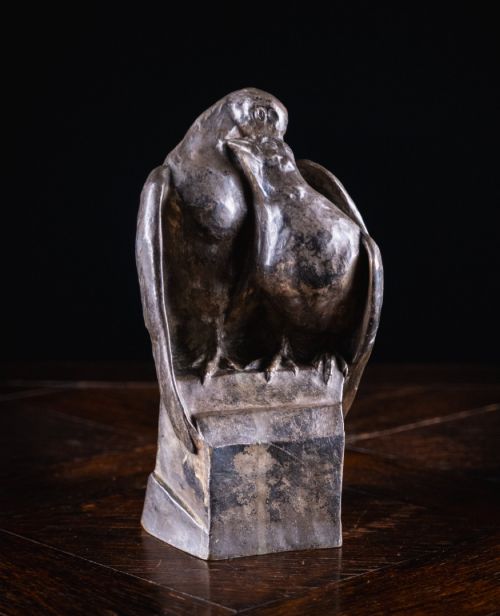
These silver bird sculpture pieces bring table ornaments and decorative figures into the home, shaped in sterling silver, silver plate and bronze across multiple eras.
Silver Bird Sculpture
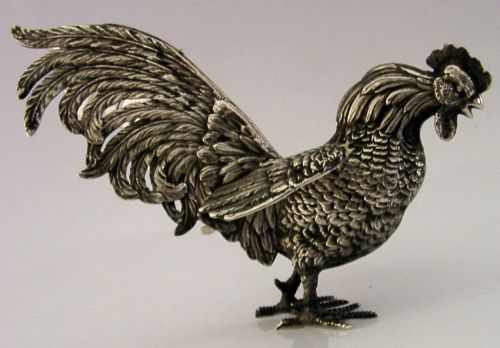
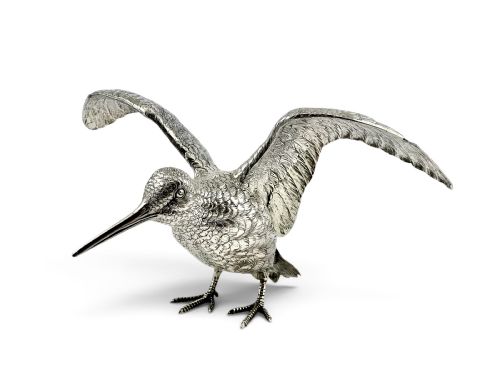
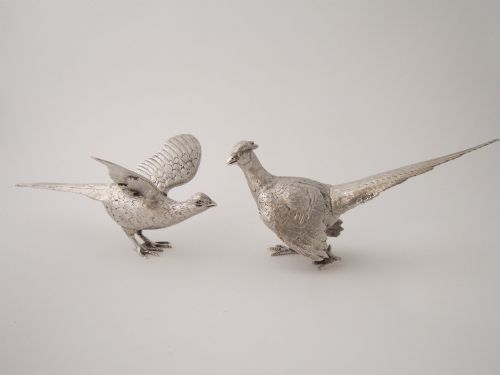
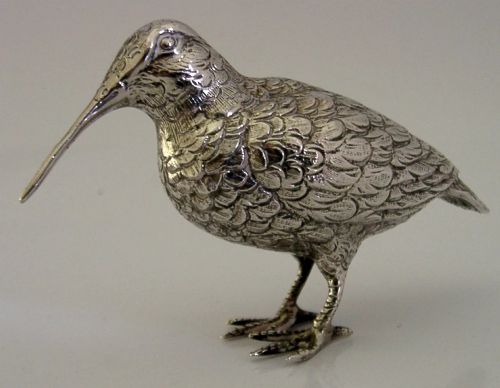
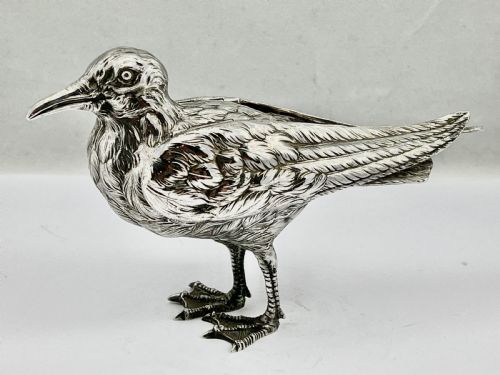
When you search for a silver bird sculpture, you encounter table ornaments, decorative sculptures and silver figurines modelled as pheasants, cockerels, woodcocks, grouse and swans. These pieces range from Edwardian silver wading models and Victorian woodcocks to 1960s solid silver cockerel chicks and Italian shell-mounted sculptures.
You are most likely to meet animal figures cast in sterling silver, silver plate and bronze, spanning periods from the late nineteenth century through the Edwardian era and into mid-century modern design. The forms function primarily as decorative objects and figural bookends for interior display.
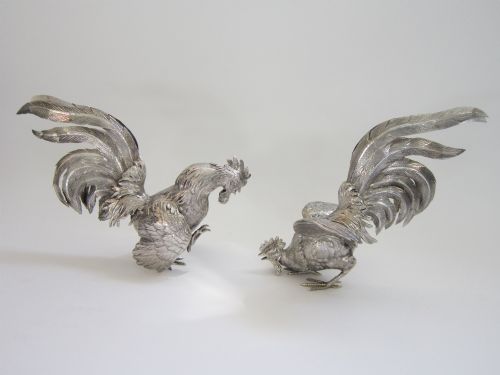
Makers and silversmiths across Britain, continental Europe and Japan utilised various grades of metal and mixed media, incorporating materials such as glass and sea shells. The selection encompasses single figures, pairs of game birds and dynamic representations of fighting cockerels.
Quality and craftsmanship
Quality rests in the precision of the casting and the crispness of the feather chasing across the bird's form. Superior examples display anatomical accuracy and balanced proportions in dynamic poses such as fighting cockerels or wading birds.
The choice of material and the reputation of the silversmith or manufacturer elevate a piece, alongside the preservation of original hallmarks and surface patination.
Several sculptors captured aggressive cockerels in mid-fight, proving that even refined silver birds enjoyed a dramatic domestic squabble.
Berthold Muller·Calderoni Gioielli·Gabriella Binazzi
The Silver Bird Sculpture Glossary
- Sterling silver
- A silver alloy containing 92.5 percent pure silver and 7.5 percent other metals, usually copper, ensuring durability for detailed casting. This standard appears frequently in British and continental animal models.
- Silver plate
- A layer of silver applied to a base metal core such as copper or nickel bronze. This technique allowed makers to produce substantial decorative sculptures at a lower cost.
- Hallmark
- An official stamp applied to precious metal objects indicating purity, the maker and the year of assay. These marks assist in dating Edwardian and Victorian silver pieces accurately.
- Chasing
- A metalworking technique where the smith pushes metal from the front using hammers and punches to create surface texture. This method defined the feather patterns on silver bird figures.
- Bronze
- An alloy of copper and tin utilised for figural sculptures and bookends. The material accepts patination well, giving depth to avian forms.
Silver Bird Sculpture: Frequently Asked Questions
How were silver bird figures used?
These pieces served primarily as decorative table ornaments, mantelpiece displays and occasional bookends in period interiors. Owners placed pairs of game birds or fighting cockerels on dining tables and sideboards as conversation pieces.
Craftsmen designed them to catch the light and showcase the silversmith's skill in rendering naturalistic plumage.
How do I identify Edwardian silver birds?
Examine the piece for British hallmarks, which indicate the assay office and the year of production between 1901 and 1910. Edwardian models often depict naturalistic game birds like woodcocks and wading species.
Compare the casting weight and feather detailing against standard manufacturing practices of the early twentieth century.
How should I clean silver bird sculptures?
Dust the sculpture gently with a soft, dry cloth to prevent the accumulation of dirt in the chased feather crevices. Avoid harsh chemical dips that strip away the desirable patination accumulated over decades.
Consult a professional restorer if the piece requires deeper cleaning or repairs to delicate parts.