






Vintage Hunting Decor
Vintage hunting decor pieces bring the character of the English country house and Highland lodge into a room through oil paintings, taxidermy, and brass.
Vintage Hunting Decor
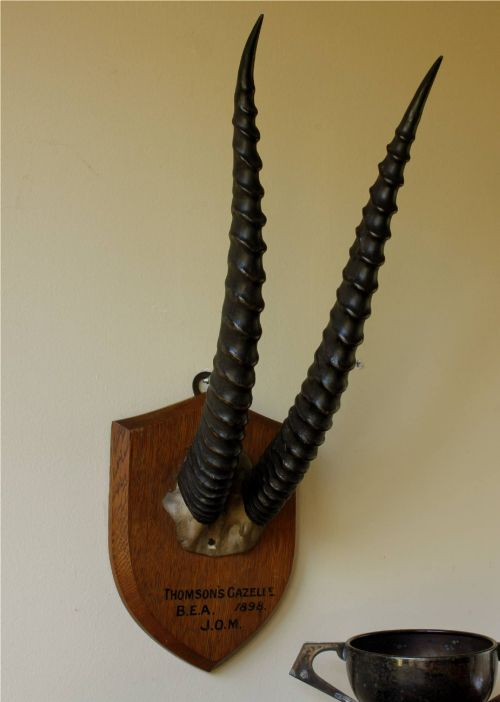
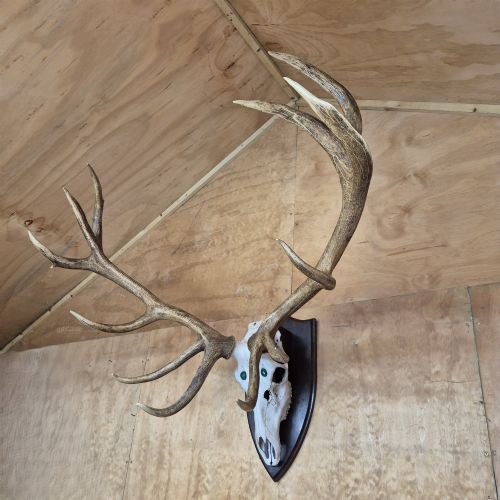
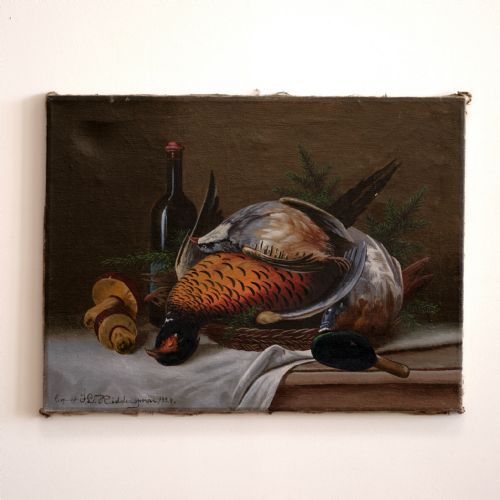
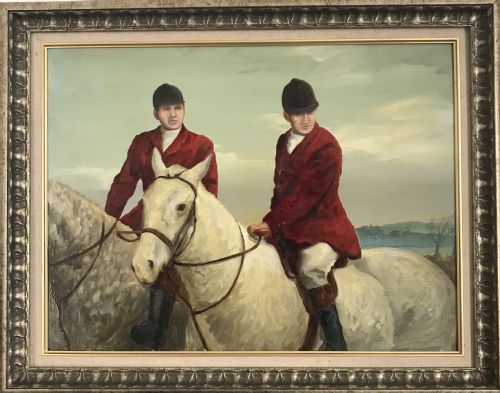
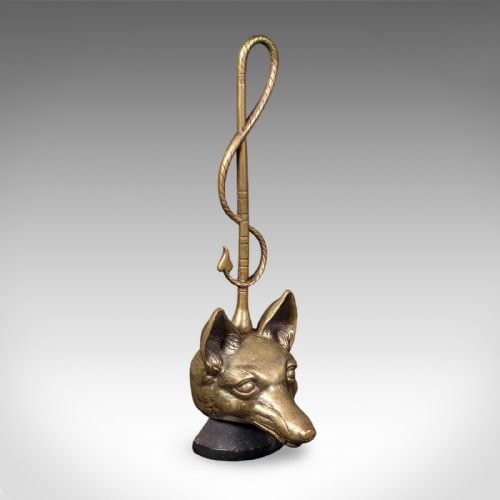
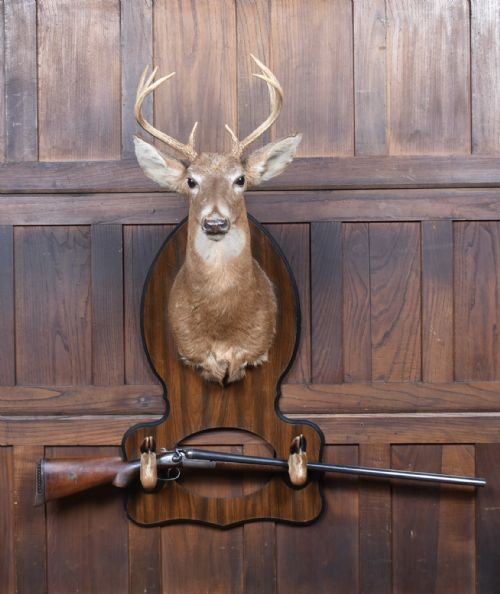
Vintage hunting decor encompasses sporting art, taxidermy mounts, and country house accessories dating from the nineteenth century to the mid-twentieth century. Buyers seeking this aesthetic encounter oil paintings of hounds and huntsmen, mounted antlers, and brass doorstops shaped as animal heads.
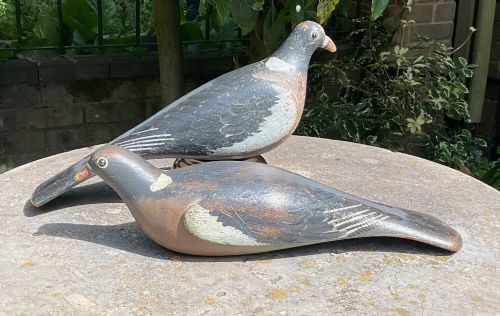
The objects derive largely from Victorian sporting traditions and English country house pursuits, ranging from coaching horns to carved wooden decoy pigeons. These pieces reflect the material culture of traditional rural sports and domestic display across various decades.
Most items on this page lean towards traditional British sporting art, Highland lodge taxidermy, and practical brass or leather equipment used in field sports. This selection bridges the gap between active countryside pursuits and interior ornamentation.
Materials and methods of construction
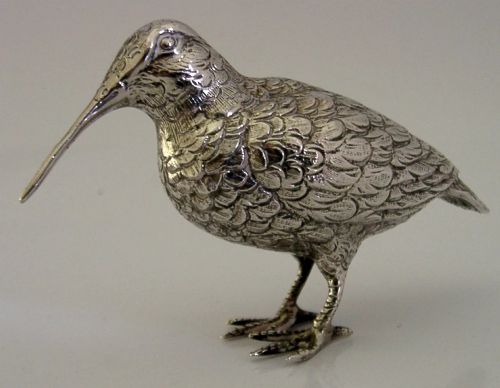
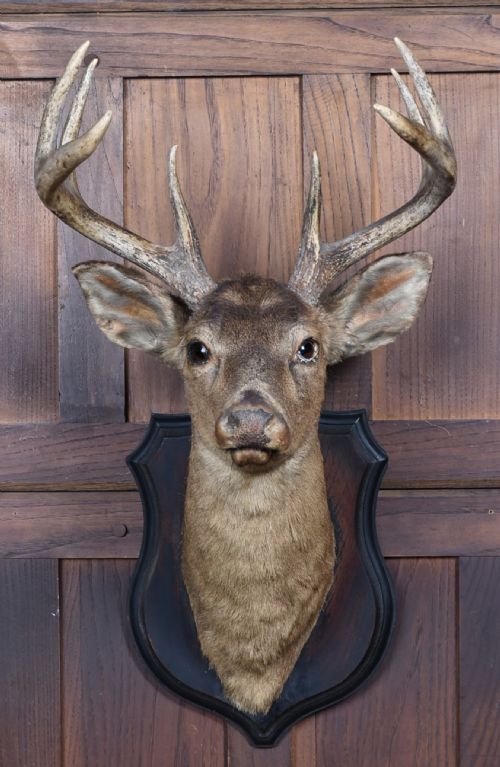
Makers utilised natural materials such as oak, antler, bone, and leather alongside metals including brass, copper, and silver. Taxidermy mounts combine animal pelts and horns with carved wooden shields, while oil paintings employ canvas and traditional pigments.
Metalwork items like coaching horns and doorstops rely on casting and hand-beating techniques in brass and iron. Woodwork appears in carved shields, decoy pigeons, and furniture elements such as desk sets mounted with antlers.
Even a brass fox head doorstop manages to look as though it is listening intently for the distant sound of hounds.
Distinctions in quality and execution
Quality in taxidermy rests on the anatomical accuracy of the mount and the preservation of the pelt or antlers, with notable taxidermists achieving a lifelike expression in pieces like fox masks. In oil paintings, the fluidity of brushwork and the anatomical depiction of horses and hounds separate accomplished works from routine studio output.
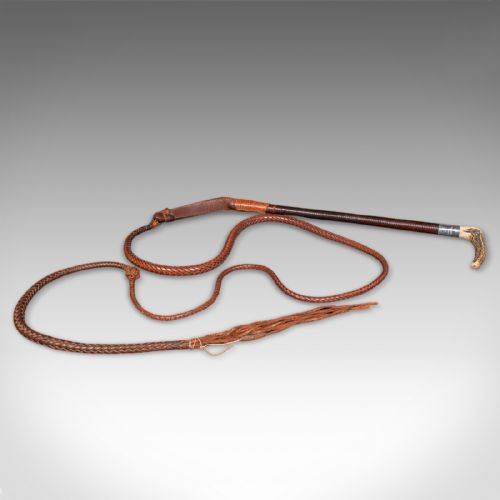
Hand-painted details on glassware, crisp casting in brass doorstops, and the quality of leatherwork and silver collars on hunting whips distinguish finer examples. The presence of a recognised signature or workshop attribution elevates the standing of both paintings and mounted trophies.
Peter Spicer & Sons·Swaine Adeney·Basil Nightingale·Charles Johnson Payne Snaffles·H. Alken·Jules Chardigny·John Charles Tunnard
The Vintage Hunting Decor Glossary
- Taxidermy
- The art of preparing, stuffing, and mounting the skins of animals for display. In hunting decor, this typically includes deer heads, horns, and foxes.
- Coaching horn
- A long, straight brass or copper horn historically used by coachmen to signal the approach of a horse-drawn carriage. They appear frequently in nineteenth-century sporting collections.
- Decoy
- A carved wooden or moulded bird used by hunters to attract waterfowl or pigeons. Wooden examples from the early twentieth century now serve as decorative objects.
- Sporting art
- Paintings, prints, and drawings depicting field sports such as fox hunting, shooting, and equestrian pursuits. Works by artists like Henry Alken and Charles Johnson Payne define the genre.
- Doorstop
- A heavy utilitarian object placed to hold doors open, commonly cast in iron or brass. Hunting motifs like fox heads and dogs are prevalent forms.
Vintage Hunting Decor: Frequently Asked Questions
What defines vintage hunting decor?
This category includes artefacts, art, and taxidermy connected to traditional country pursuits and field sports. The items originate primarily from the nineteenth and early twentieth centuries.
Common forms include oil paintings of hounds, mounted antlers, brass doorstops, and leather riding equipment. Each piece reflects the aesthetic of rural estates and hunting lodges.
How were coaching horns used?
Coaching horns were sounded by guards on mail and stagecoaches to warn tollkeepers and other traffic of their approach. They ensured a clear path along coaching routes.
Made of brass or copper, these long horns later transitioned into decorative items for country houses and sporting halls.
Where should I place taxidermy mounts?
Taxidermy trophies like deer heads and antlers suit studies, libraries, and living rooms with traditional country house styling. They were historically displayed on wooden shields in halls and dining rooms.
Keeping them away from direct sunlight and damp conditions preserves the hide and horns over time.
How do I identify sporting art?
Sporting art depicts scenes of hunting, shooting, racing, and dogs, often rendered in oil on canvas or as prints. Artists pay close attention to the anatomy of horses and hounds.
Signatures, period framing, and subject matter relating to named hunts or riders help determine the origin and date of the work.