
Vintage Silver Animal
Vintage silver animal pieces encompass charming sculptures, functional pin cushions, and decorative cane handles spanning the Victorian, Edwardian, and mid-century eras.
Vintage Silver Animal
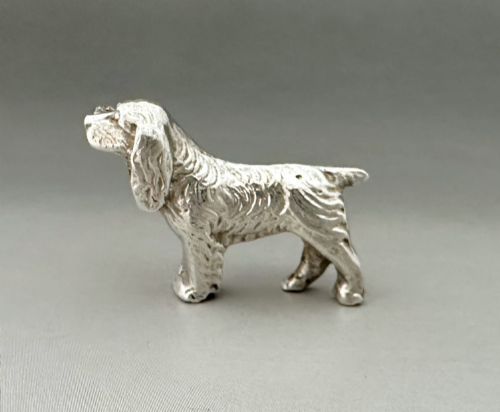
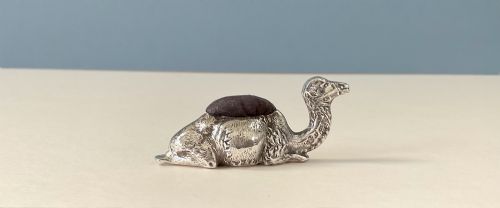
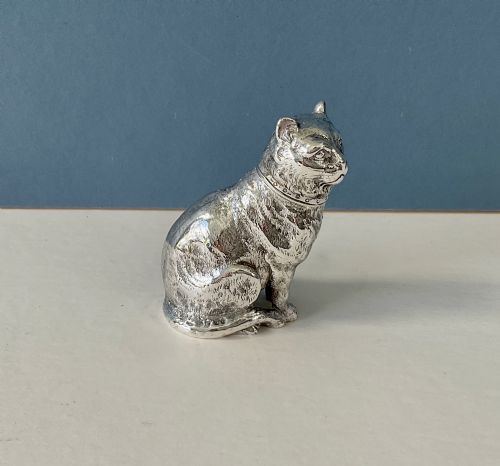
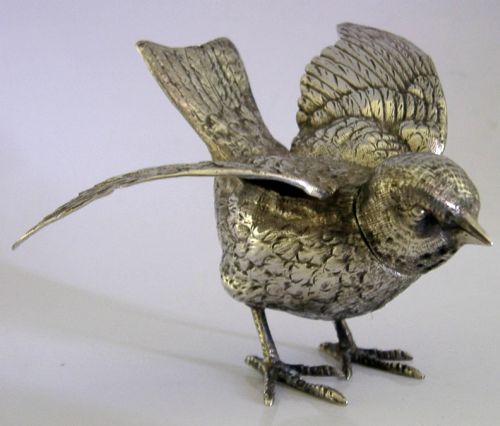
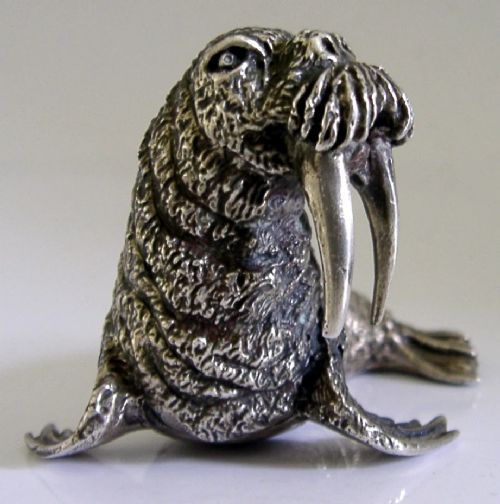
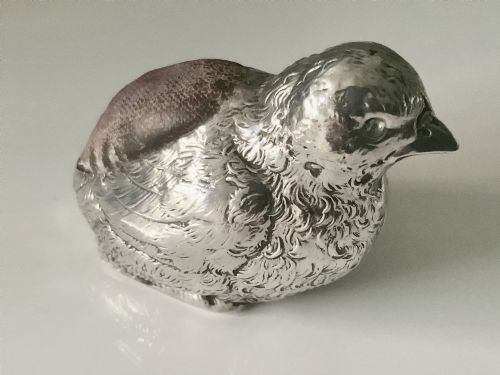
When searching for vintage silver animal items, collectors encounter a diverse range of objects spanning from the nineteenth century through the mid-twentieth century. The selection includes functional items such as novelty pin cushions fashioned as camels, pigs, and stags, alongside pepper pots shaped like birds and cats.
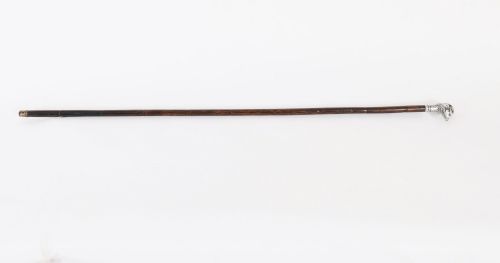
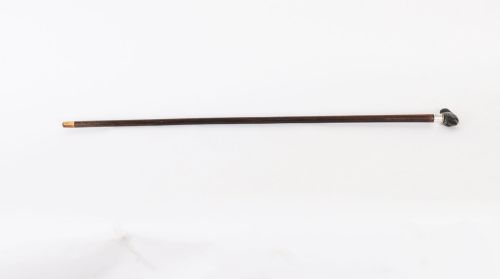
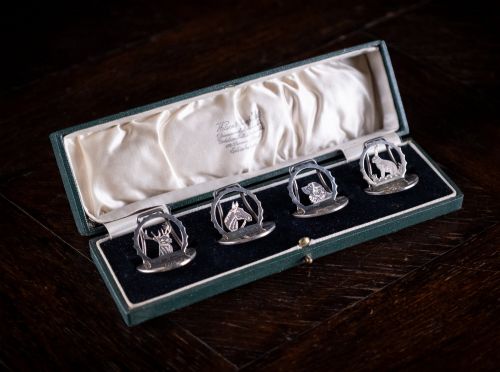
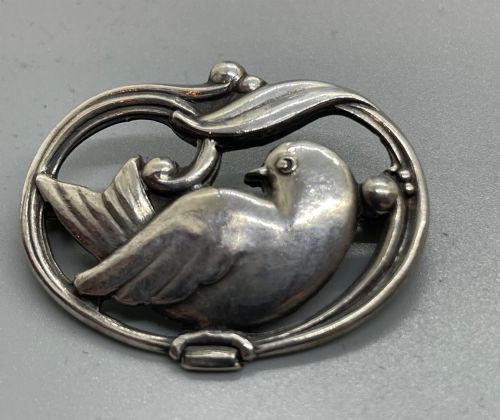
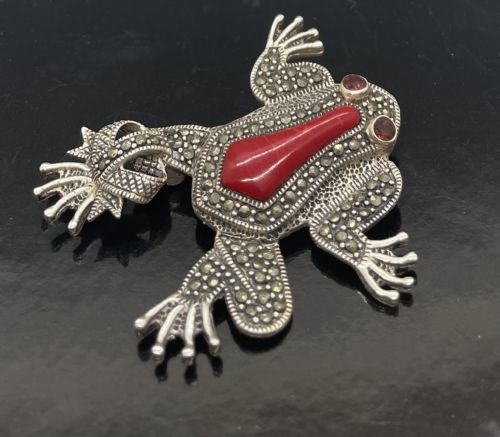
Walking sticks and canes featuring detailed silver duck, greyhound, and rabbit head handles appear frequently across Victorian and Edwardian examples. Other forms include sculptural table ornaments, brooches depicting dogs and frogs, and menu holders.
The objects originate from various regions including Britain, Denmark, France, and Spain, reflecting both local silversmithing traditions and international tastes.
Materials and Techniques
The construction of these pieces primarily relies on solid silver, sterling silver, and silver plate, frequently combined with structural elements like wood in walking sticks and velvet or fabric within pin cushions.
Manufacturing techniques range from detailed casting and chasing in sculptural figures to specialised mountings for novelty items and canes. Surface detailing is often enhanced with marcasite or paste stones in smaller jewellery pieces.
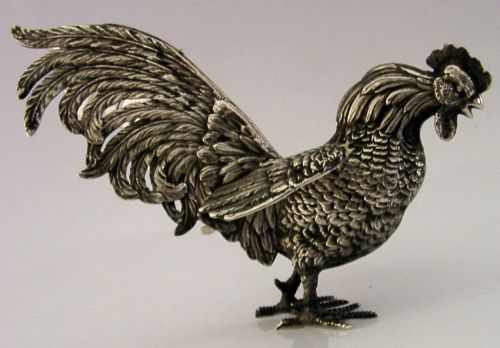
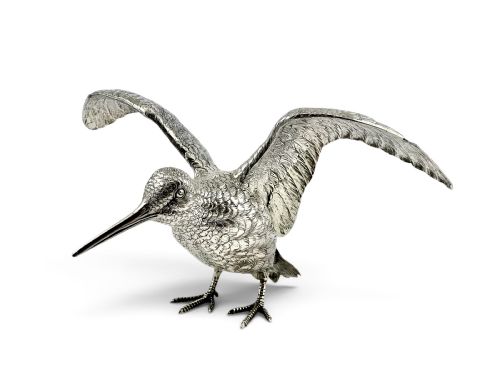
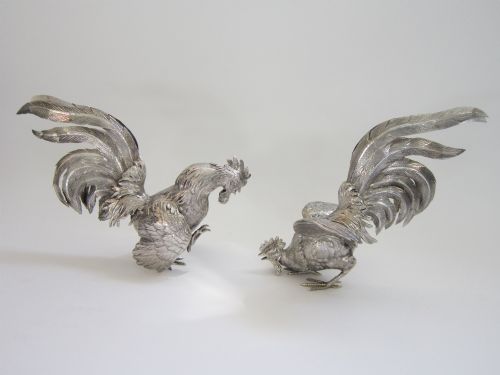
Among the menagerie are fierce fighting cockerels, a startled woodcock, and an articulated Spanish fish with flexible silver scales.
Craftsmanship and Detail
The distinction between standard examples and finer pieces lies in the crispness of the chasing and the anatomical accuracy of the animal form. Well-defined feather and fur texturing elevates a sculptural figure or pin cushion significantly.
The integration of the silver handle to its wooden shaft in walking sticks, or the preservation of original velvet on a pin cushion, demonstrates the superior integrity of the piece.
A. Wilcox·Frederique Cederlund-Ozanne
The Vintage Silver Animal Glossary
- Novelty silver
- An item designed with a humorous or unusual practical purpose, such as a pin cushion shaped like a camel or a pepper pot shaped like a cat.
- Pin cushion
- A small domestic object, frequently modelled in the shape of an animal using silver and upholstered with velvet or fabric to hold sewing pins.
- Marcasite
- Small faceted pyrite stones set into silver jewellery to provide sparkle, often seen in mid-century brooches depicting frogs or lizards.
- Walking stick
- A cane featuring an ornate silver handle shaped as an animal head, combining practical support with decorative craftsmanship.
Vintage Silver Animal: Frequently Asked Questions
What were silver animal pin cushions used for?
These domestic items held sewing pins on dressing tables and desks during the Victorian and Edwardian periods. Their whimsical animal shapes made them popular decorative accessories as well as practical tools.
Today, collectors appreciate them for their intricate miniature craftsmanship and the variety of species depicted, ranging from pigs to kangaroos.
How are animal walking stick handles constructed?
The silver handle was typically cast in the shape of a duck, greyhound, or rabbit head and securely fitted to a wooden shaft. Many incorporate functional elements like hidden corkscrews or swords beneath the handle.
These canes served as status symbols and fashionable accessories for gentlemen during the nineteenth and early twentieth centuries.
What periods do these silver animals come from?
The pieces span multiple eras, including 19th Century Victorian and Edwardian periods, as well as Art Deco and mid-century modern designs up to the 1960s. Each era brought distinct stylistic interpretations to animal forms.
Victorians favored detailed realism in items like pepper pots and pin cushions, while mid-century pieces often embraced bolder sculptural qualities.
How should I display vintage silver animals at home?
Smaller pieces like brooches and novelty pin cushions look best grouped together in dedicated display cabinets to showcase their fine details. Larger sculptures and figures work well as focal points on tabletops or desks.
Care should be taken to place them away from direct sunlight and moisture to preserve both the silver and any accompanying fabric elements.