


Silver Desk Ornament
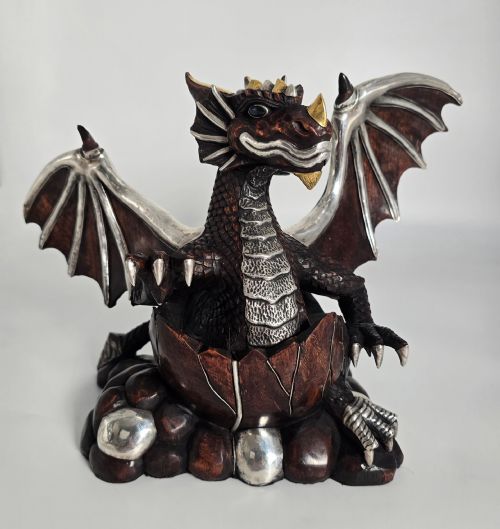
A silver desk ornament brings character to a working space, taking the form of animals, figures, or vehicles crafted across the Victorian to mid-century periods.
Silver Desk Ornament
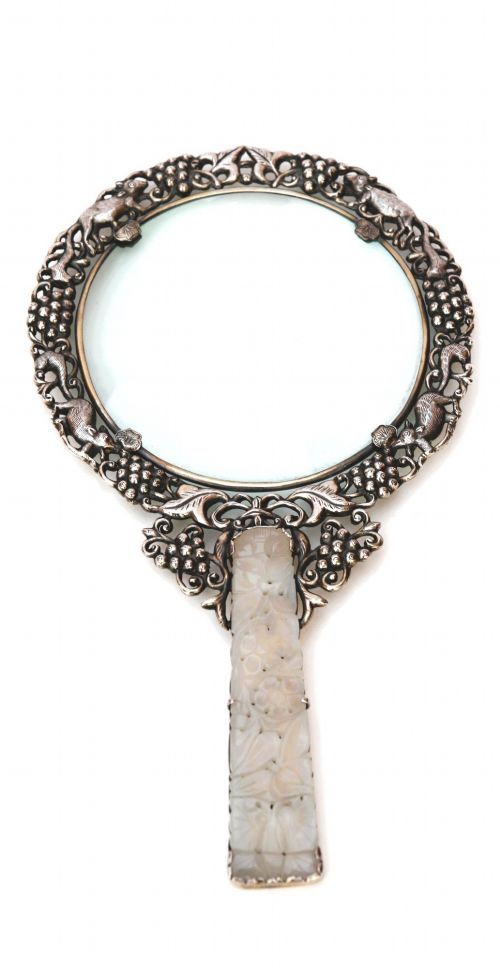
A silver desk ornament covers a wide variety of functional and decorative items designed for the study or office. The selection includes paperweights, inkwells, letter openers, and miniature animal figures spanning the Victorian, Edwardian, and mid-century eras.
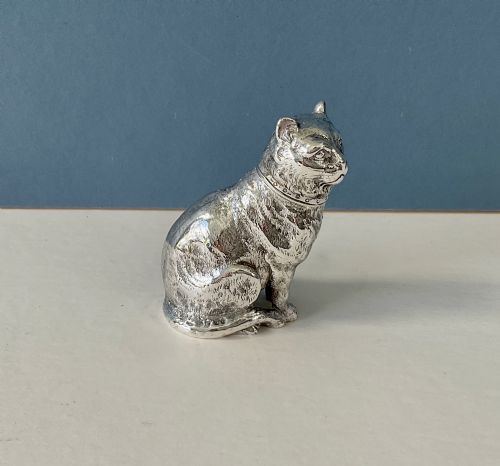
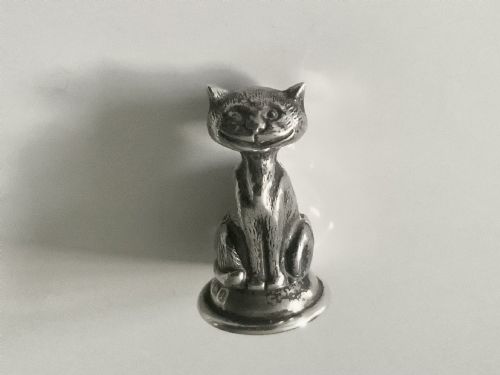
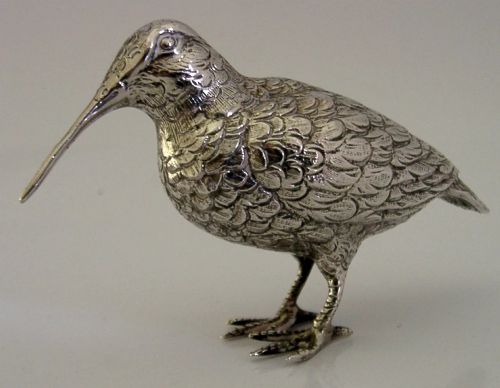
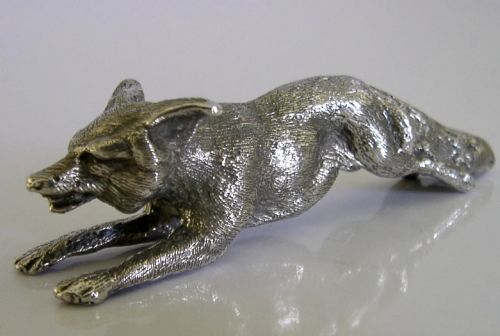
Figural pieces take the shape of cats, foxes, birds, and transport models such as aeroplanes and cars. Many items combine sterling silver or silver plate with secondary materials like marble, glass, onyx, or wood.
The assortment ranges from small novelty pin cushions to substantial inkstands and bronze or spelter figures on plinths. Pieces reflect specific design movements including Art Deco, Arts and Crafts, and traditional Edwardian styles.
Materials and construction
Makers utilised sterling silver and silver plate alongside mixed metals, aluminium, and cold-painted bronze to create these desk accessories. Bases often incorporate contrasting natural materials such as black ebony, marble, onyx, or tortoiseshell.
Techniques range from detailed casting and chasing of animal figures to delicate mixed-metal mounting and enamel work. Desk items like photograph frames incorporate functional backing materials such as blue velvet.
Materials span sterling silver, silver plate, marble, glass, onyx, velvet, wood, and tortoiseshell.
Distinctions in standard
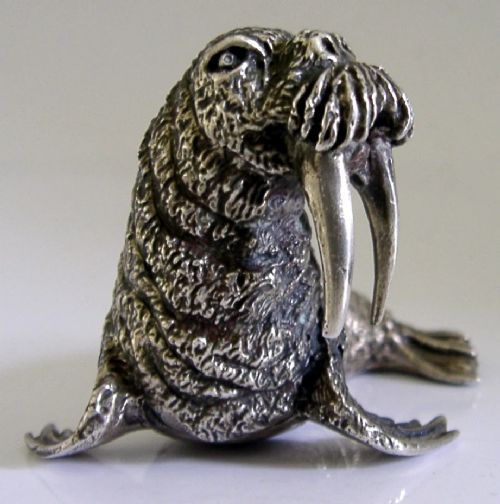
The standard of a silver desk ornament rests on the crispness of the casting and the fidelity of the modelling, particularly in animal and vehicle studies. Finer examples show meticulous attention to feather, fur, or mechanical detail.
The integration of secondary materials defines the overall calibre of the piece. Heavy gauge silver, substantial marble or ebony plinths, and well-preserved enamel or tortoiseshell elements elevate the construction.
Henry Matthews·William Graeme·Pierre Le Faguays·Josef Lorenzl·Louis Lejeune
The Silver Desk Ornament Glossary
- Capstan inkwell
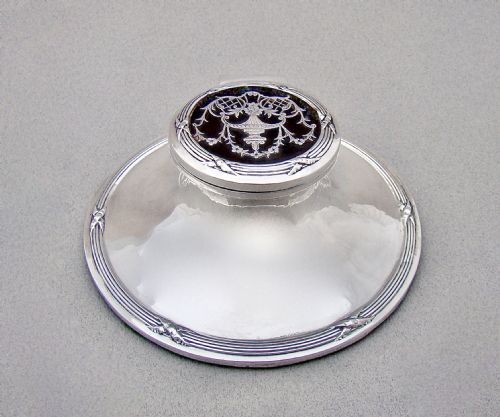
- A small ink container shaped like a ship's capstan, typically featuring a wide circular base tapering towards the top. These frequently incorporate sterling silver collars and glass reservoirs.
- Pin cushion
- A small novelty desk object fashioned into the shape of animals or vehicles with a cushioned insert for pins. Edwardian examples often utilise silver bodies.
- Paperweight
- A heavy decorative object placed on loose paper to prevent it from blowing away. Common forms in this category include cast metal animals and chess figures.
- Letter opener
- A knife-like tool used for opening envelopes, often comprising a silver blade or handle combined with materials such as ebonised wood or jade.
Silver Desk Ornament: Frequently Asked Questions
What is a silver desk ornament?
A silver desk ornament is a decorative or functional object designed for use on a writing desk, spanning inkwells, paperweights, letter openers, and miniature animal figures. These items are produced in sterling silver, silver plate, and bronze.
They reflect aesthetic movements from the Victorian era through the mid-century, including Art Deco and Arts and Crafts styles.
How were inkwells used?
Inkwells held liquid writing ink within a glass or ceramic reservoir housed inside a decorative metal or tortoiseshell body. They sat upon the desk alongside matching accessories like letter openers and pen wipes.
Lopsided lids or hinged caps kept the ink from drying out when not in active use.
How do I date an Edwardian piece?
Edwardian items date from the reign of King Edward VII between 1901 and 1910. Date letters stamped inside the silver hallmarks provide the exact year of assay.
Stylistic cues such as tortoiseshell inlays and heavy capstan forms also point to this specific decade.
What materials are combined with silver?
Desk ornaments frequently pair sterling silver or silver plate with dense natural bases like marble, onyx, ebony, and wood. Other examples incorporate blue velvet backs, glass inserts, and enamel highlights.
Bronze and spelter also appear alongside marble plinths in figural studies.