


Silver Animal Sculpture
A silver animal sculpture captures creatures in sterling silver, bronze, and marble, bringing birds and beasts into domestic interiors.
Silver Animal Sculpture
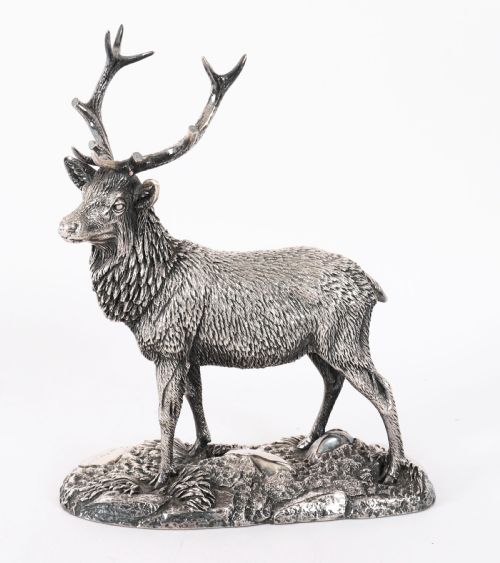
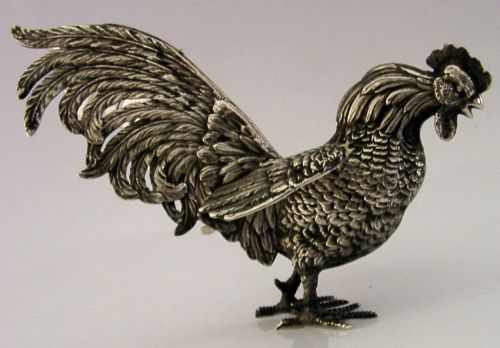
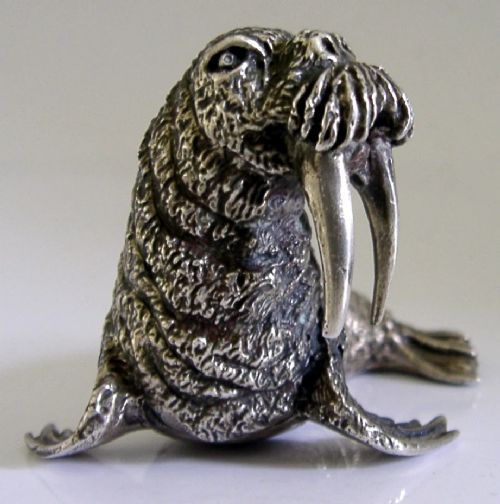
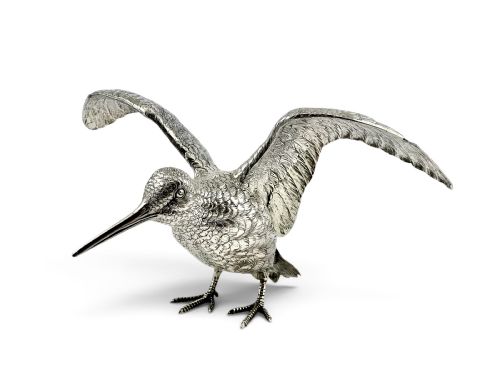
A silver animal sculpture takes the form of table ornaments, decorative figurines, and sculptural studies of birds, dogs, and game. These pieces emerge from the Late Victorian, Edwardian, and mid-twentieth century periods.
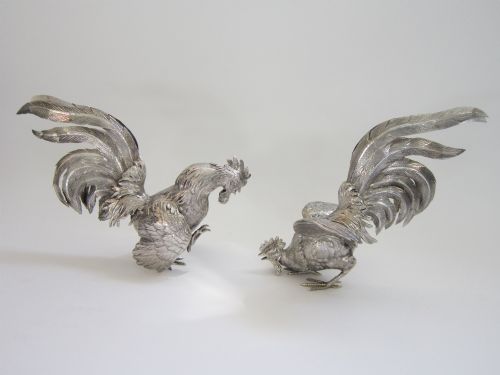
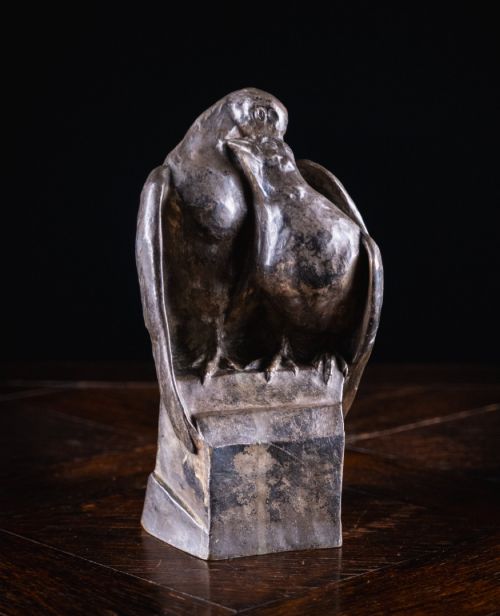
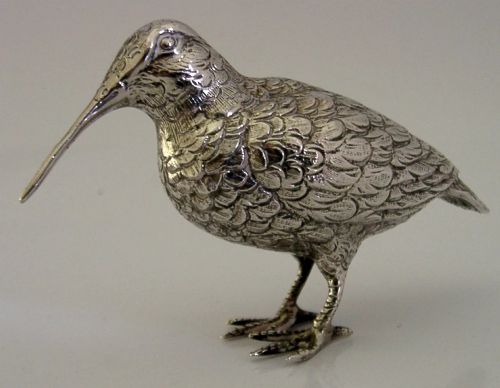
The selection ranges from sterling silver cockerels and woodcocks to silvered bronze greyhounds and panthers mounted on marble or ebony bases. European and British workshops produced these models across various decades of the twentieth century.
Materials and Technique
Metals include sterling silver, 833 silver, 830 silver, silvered bronze, and nickel bronze. Solid silver pieces are cast or worked into detailed forms, sometimes paired with marble or black ebony plinths.
Listings feature sterling silver, 833 silver, 830 silver, silvered bronze, and nickel bronze across Edwardian, Art Deco, and mid-century periods.
Quality and Detail
The integration of secondary materials like marble or ebony bases influences the presence of the object. Signed pieces and distinct continental or British hallmarks elevate specific examples.
Tom Mackie·Frederique Cederlund-Ozanne·Berthold Muller·Karl Hagenaur·Mario Bucellati·Michel Decoux
The Silver Animal Sculpture Glossary
- Animalier
- A nineteenth and twentieth century sculptural focus on animals, often rendered with realistic anatomical observation. This term covers figures of dogs, birds, and game.
- Sterling silver
- An alloy containing ninety-two point five percent silver by mass, with the remainder usually copper. British pieces frequently bear the lion passant mark.
- Silvered bronze
- A bronze base metal treated with a silver coating to give the appearance of solid silver. This technique appears on mid-century animal studies.
- Hallmark
- An official stamp applied to precious metals indicating purity, origin city, and date. These marks assist in dating silver animal sculptures.
- Plinth
- A block or base upon which a sculpture is mounted. Examples appear in black ebony or marble.
Silver Animal Sculpture: Frequently Asked Questions
How were silver animal sculptures used?
These pieces served as decorative table ornaments and mantelpiece figures in domestic interiors. Many represent game birds or hunting subjects connected to country pursuits.
Makers also produced desk accessories and standalone models to display on furniture and plinths.
How do I identify the period of a silver animal?
Examine the hallmarks stamped on the silver, which indicate the assay office, standard of purity, and year of manufacture. Style cues like Art Deco geometric lines or Victorian naturalism also point to specific decades.
Makers' marks and signatures provide further evidence for dating individual sculptures.
What is the difference between solid silver and silvered bronze?
Solid silver pieces consist entirely of silver alloys such as sterling, 833, or 830 silver, often carrying full hallmarks. They possess the weight and metal content of genuine silver.
Silvered bronze objects use a bronze core finished with a silver surface layer, offering a sculptural alternative.
Where were these animal figures made?
Production centres include Britain, Germany, Italy, France, and Belgium. Continental workshops such as those in Hanau produced notable bird and animal models.
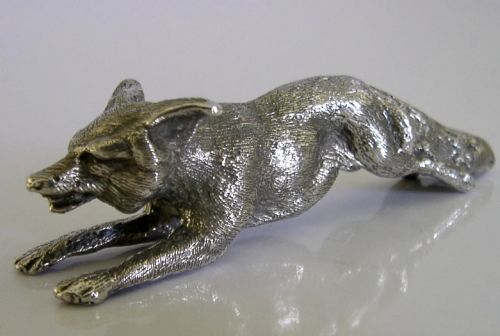
British makers contributed sterling silver foxes, stags, and cockerels.