
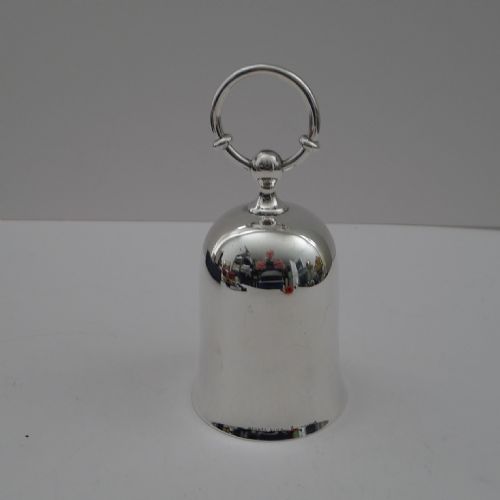


Antique Silver Horse
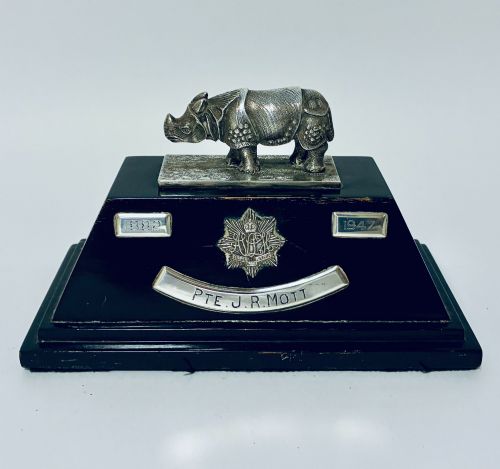
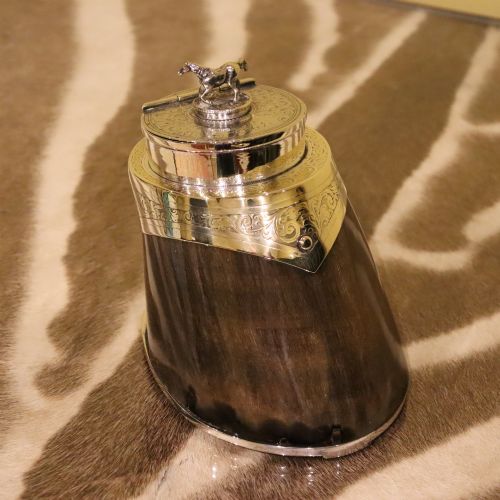
When you search for antique silver horse pieces, you encounter everything from taxidermy hoof inkwells to sterling horseshoe napkin rings.
Antique Silver Horse
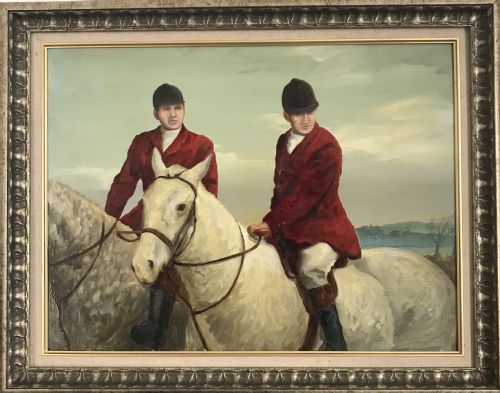
The category spans functional desk accessories, walking sticks, tableware, and presentation trophies that incorporate equestrian motifs or materials.
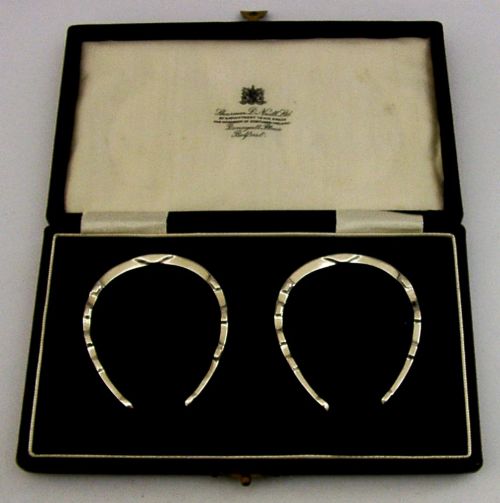
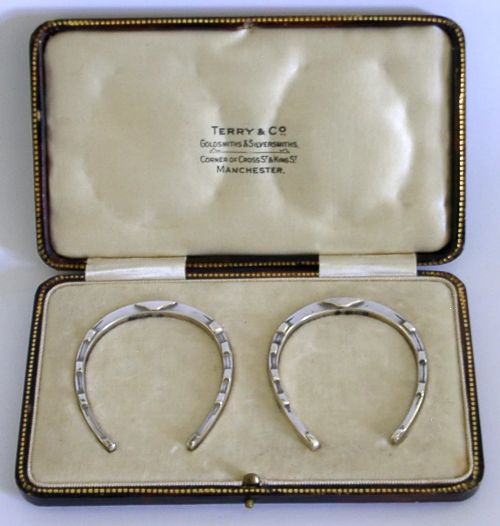
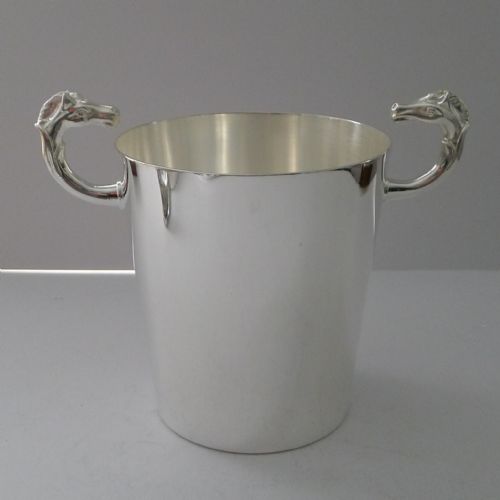
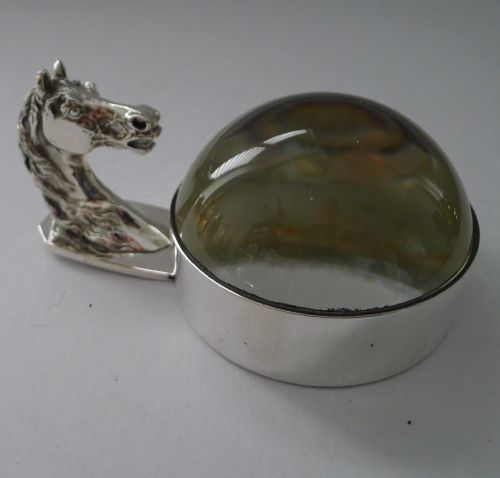
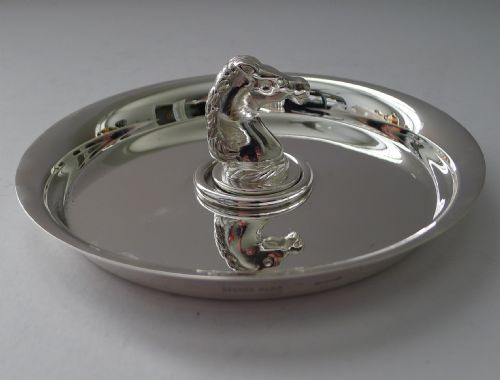
Napkin rings, menu holders, and desk items formed as horseshoes or horse heads dominate the selection, alongside walking canes with silver handles.
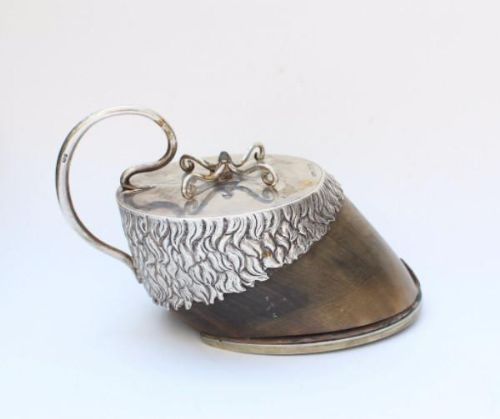
Taxidermy items utilising actual horse hooves mounted in silver plate, sterling, or brass appear frequently across Victorian and Edwardian periods.
Dating ranges from the eighteenth century through the mid-twentieth century, encompassing Victorian, Edwardian, Art Deco, and Ottoman styles.
How they were made
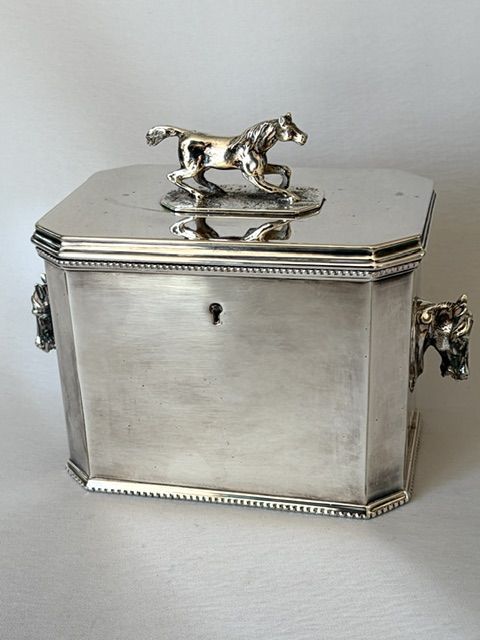
Silversmiths utilised sterling silver and silver plate for cast figures, mounted items, and intricate chased details on vessels and frames.
Natural materials such as actual horse hoof, walnut, glass, wood, and ebonised shafts combine with metal mounts through taxidermy and joinery techniques.
Makers applied surface decoration including enamel, gilt inlay, and wire-inlay on items ranging from flintlock pistols to jockey vesta cases.
Several items incorporate actual horse hooves, turning a steady steed's foot into an inkwell, toast rack, or desk tidy.
What varies in quality
The standard of modeling in cast silver figures and handles determines the visual realism and anatomical accuracy of the animal.
The integration of organic elements, such as the preservation and mounting of taxidermy hooves with precious metals, reflects the original maker's skill.
Provenance and specific silversmith attribution elevate certain presentation trophies, cased sets, and novelty items above standard production pieces.
R Willoughby·Sampson Mordan·Mappin and Webb
The Antique Silver Horse Glossary
- Sterling silver
- An alloy containing 92.5 percent silver by mass, widely used for British tableware and presentation items.
- Vesta case
- A small pocket box designed to hold matches, often decorated with enamel or novelty equestrian designs.
- Snaphaunce
- An early type of flintlock firearm mechanism originating before the standard flintlock.
- Frizzen
- The vertical steel plate on a flintlock firearm that the flint strikes to create sparks.
- Cartouche
- An oval or oblong frame enclosing a design, crest, or inscription on silver items.
Antique Silver Horse: Frequently Asked Questions
What are antique horse hoof items?
Taxidermy horse hooves mounted with silver or brass were commonly adapted into functional desk accessories such as inkwells, paperweights, and match holders during the Victorian and Edwardian periods.
These pieces often commemorated specific working horses or racing animals, featuring engraved silver shields or mounts detailing the animal's name and dates.
How were silver horse walking sticks used?
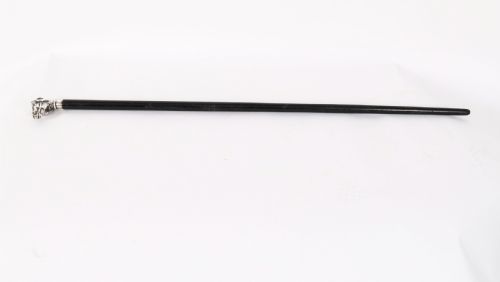
Gentlemen carried walking canes featuring cast silver horse head handles or riding crop designs as fashionable accessories during the nineteenth and early twentieth centuries.
Some specialised walking sticks served dual purposes, concealing internal mechanisms like measuring tools or sword blades within the ebonised wooden shafts.
How do I identify Victorian horse silver?
Victorian pieces frequently display Birmingham or Chester assay office hallmarks alongside date letters that correspond to nineteenth-century production years.
Styles from this era lean toward naturalistic taxidermy mounts, horseshoe-shaped tableware, and detailed equestrian presentation trophies.