
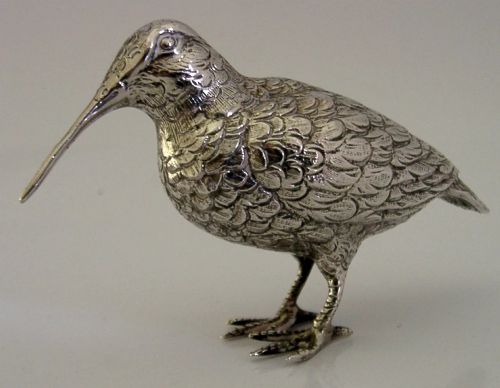


Continental Silver Figurine
A continental silver figurine brings domestic tables and cabinets animated character through metalsmiths across Europe.
Continental Silver Figurine
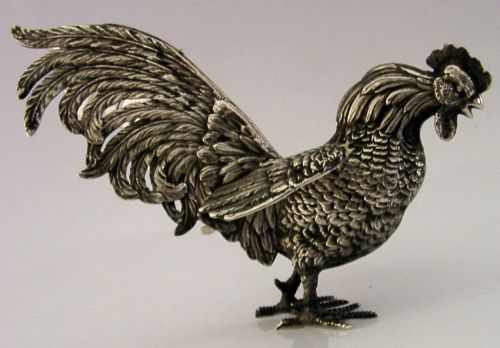
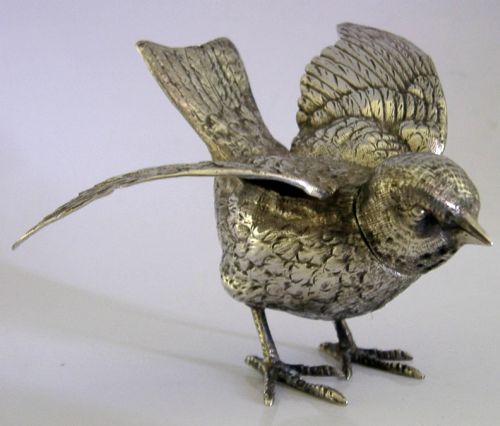
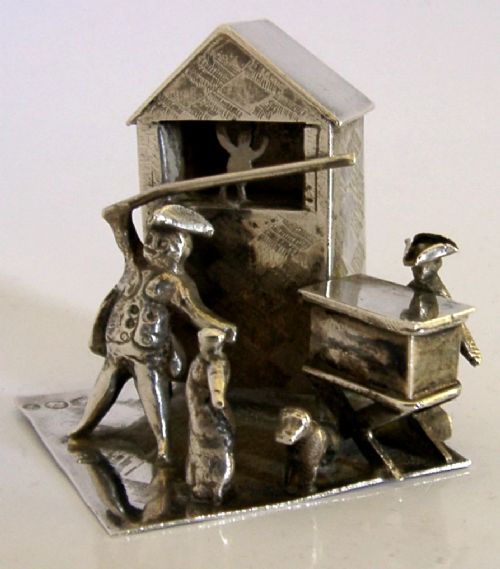
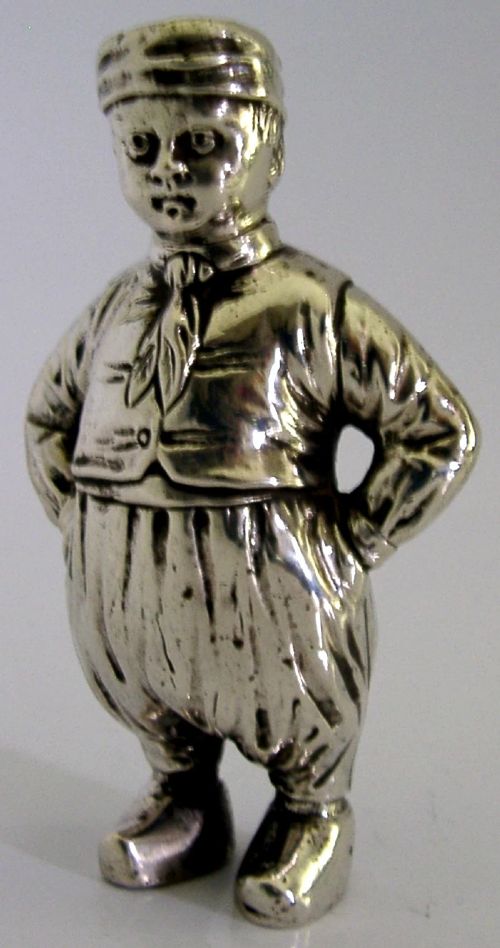
A continental silver figurine encompasses a diverse array of table ornaments, pepper pots, miniatures, and sugar boxes originating from various European silversmiths. When exploring a continental silver figurine, buyers encounter forms ranging from bird figures and animal models to human characters and musicians.
The pieces on this page span several eras, including the eighteenth century, nineteenth century, Victorian period, Edwardian era, Art Deco period, and mid-century years. Animal models such as cockerels, pheasants, woodcocks, and grouse appear frequently alongside novelty cruets and figurative decanters.
European workshops produced these works in specific silver purities including solid silver, sterling silver, 833 silver, 800 silver, and 830 silver. The selection balances decorative table ornaments with functional cruets and sugar containers.
Materials and Techniques
Certain items integrate glass vessels with silver mounts, uniting metal figurine stoppers with etched glass decanters. Surface treatments involve polished silver finishes, whilst specific sculptural pieces incorporate polychrome silvered carved elements.
Listings feature periods spanning the 18th century, 19th century, Edwardian era, 1900, 1930, 1940, and 1960 alongside materials including glass and multiple silver standards.
Understanding Quality
Quality in these figurative pieces rests upon the precision of the metalworker's chasing and the anatomical correctness of the animal or human subject. Finer examples display crisp feather detailing, balanced proportions, and secure joins between components such as removable heads on pepper pots.
The choice of silver standard and the weight of the metal influence the structural integrity of the figurine. Heavier solid silver castings retain sharper definition across decades of handling compared to lighter, thinner pressings.
The Continental Silver Figurine Glossary
- Continental silver
- Silver manufactured in mainland European countries rather than Britain, often bearing distinct continental standard marks and alloy grades.
- Cruet
- A small vessel or set of vessels, such as a pepper pot, designed for holding condiments at the dining table.
- Chasing
- A metalsmithing technique where the silversmith punches and hammers the metal from the front to raise surface decoration and fine detail.
- Hanau
- A German town historically renowned for producing silver novelties and revivalist table ornaments during the nineteenth and twentieth centuries.
- Sugar box
- A lidded container utilised for storing and serving table sugar, frequently cast in sculptural animal or architectural forms.
Continental Silver Figurine: Frequently Asked Questions
How were silver animal figurines used on the dining table?
Many animal figurines served practical functions as pepper pots, salt cellars, or sugar boxes during formal meals. Guests interacted with these novelty cruets as both conversation pieces and functional tableware.
Other examples functioned purely as decorative table ornaments or cabinet pieces, designed to display the wealth and taste of the household in drawing rooms and dining rooms.
What silver purities should I expect to find?
Continental pieces frequently carry alloy standards distinct from British sterling, most notably 800, 830, and 833 silver grades. These numerical hallmarks indicate the proportion of pure silver per thousand parts in the metal.
Items described simply as solid silver or sterling silver also appear across the selection, reflecting the diverse regulations of different European nations and export markets.
How do I identify the period of a figurine?
Dating relies on stylistic evidence such as the geometric lines of Art Deco pieces, the ornate revivalism of German Renaissance styles, or the distinct forms typical of the Victorian and Edwardian eras. Maker's marks and town hallmarks stamped into the silver provide further chronological clues.
Certain categories, such as mid-century country pursuit models or eighteenth-century carved figures, carry specific aesthetic traits unique to their decade of production.
Are these figures solid silver or plated?
The listings consist of solid silver, sterling silver, and specific continental silver standards such as 800 and 833 silver rather than plated base metals. This solid metal construction ensures the objects retain their intrinsic material value and durability.
Heavier models often specify gram weights in their descriptions, indicating the substantial amount of precious metal utilised in the casting process.