




Solid Silver Cream Jug
When hunting for a solid silver cream jug, you are looking at small domestic vessels created to serve cream at the tea table across multiple centuries.
Solid Silver Cream Jug
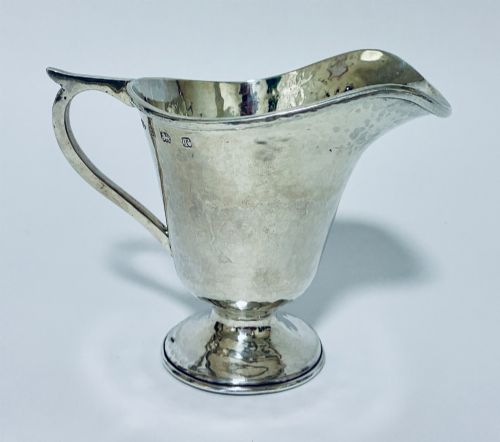
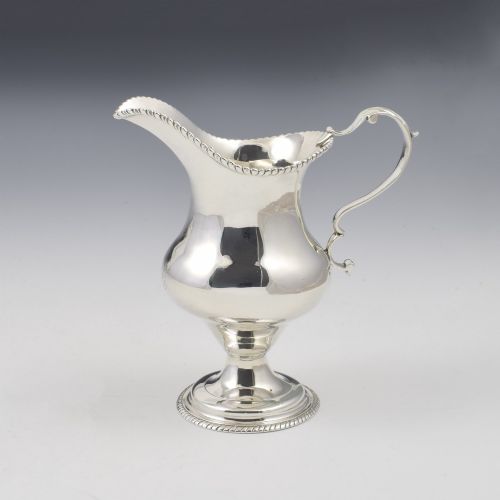
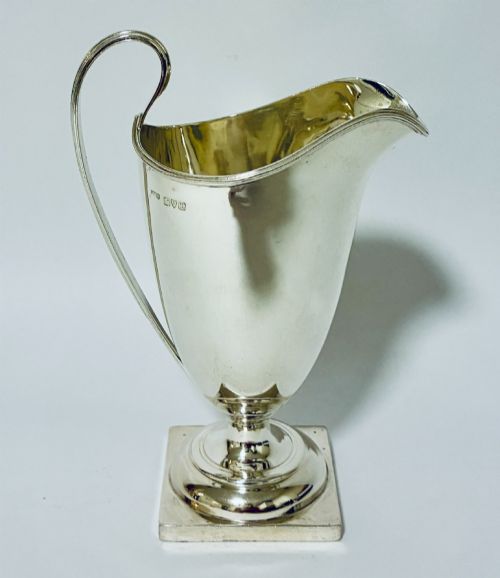
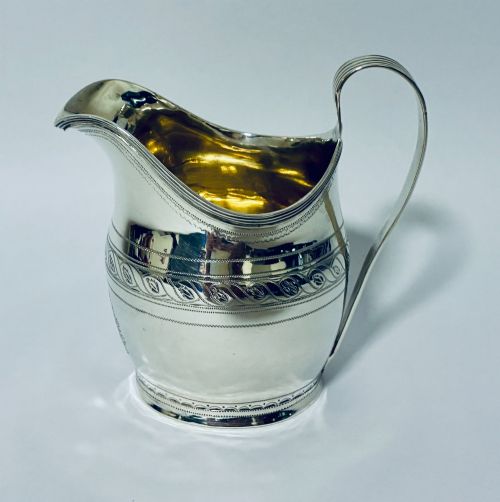
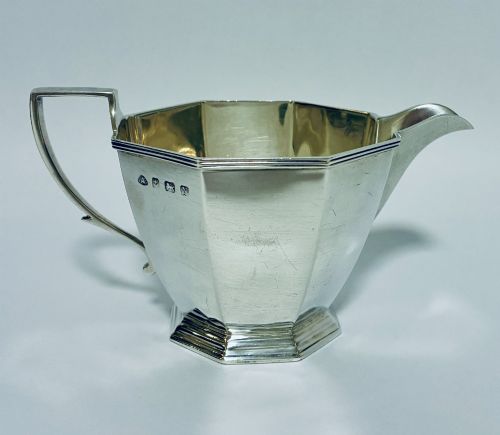
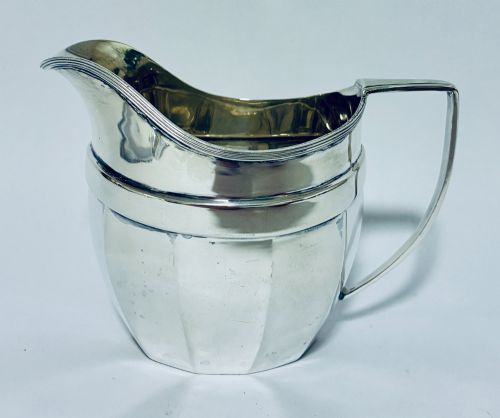
A solid silver cream jug is a small pouring vessel designed for dairy service alongside tea and coffee, appearing in forms ranging from provincial milk jugs to larger tea and coffee sets. When browsing these items, you will encounter diverse stylistic periods including Georgian, Victorian, Edwardian, George V, and mid-century designs such as Arts and Crafts and Art Deco.
The historical span of these pieces stretches from early eighteenth-century examples like sparrow beak and helmet jugs to later Victorian pedestal vessels and twentieth-century novelty forms. Most examples originate from English provincial and metropolitan workshops, alongside occasional continental and American import pieces.
Makers often fashioned these containers as part of larger matching tea services or as standalone vessels for daily domestic use. The surviving inventory reveals traditional domestic utensils that transition from simple functional items into decorative silver table objects.
Materials and construction
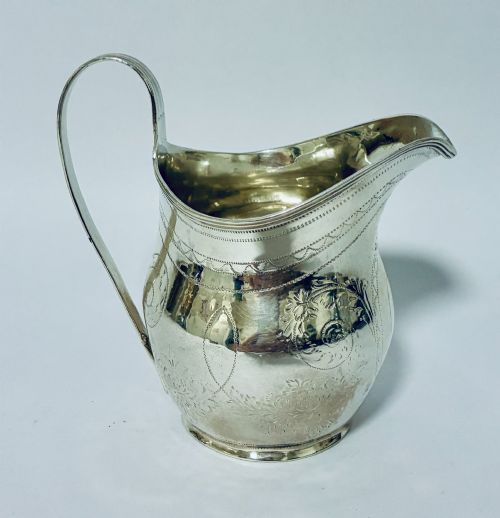
Silversmiths constructed these vessels primarily from sterling silver, occasionally utilising gilt, gold wash, or silver-gilt interiors to protect the metal from dairy acids. Surviving pieces show techniques such as planishing, bright cut engraving, and foliate embossing applied across different stylistic eras.
Makers shaped the bodies through hammering and soldering, attaching cast or formed handles and lips designed for steady pouring. Some specialised forms, including novelty animal creamers, required complex casting and chasing to achieve realistic textures.
Solid Silver Cream Jug Retail Price Guide 2026
Typical asking prices for solid silver cream jug among the pieces listed under this phrase on Sellingantiques today, from the lower quarter to the upper quarter. They describe what is for sale here now, not the wider market.
Cow creamers transform a routine dairy container into a charming beast with a tail handle and a lid on its back.
Judging execution and finish
Quality in a solid silver cream jug rests upon the crispness of surface decoration, the balance of the handle against the body, and the structural integrity of the pouring lip. Superior examples display careful hand-finishing, clear hallmarks, and substantial metal weight relative to their size.
Plain domestic vessels rely entirely on pleasing proportions and clean lines, whereas decorated items depend on the precision of engraving or repoussé work. Pieces retaining original gilding inside the bowl generally exhibit a higher degree of original preservation.
Stalker and Mitchison·John Rawlings·George Unite·Robert Pringle and Sons·Joseph Craddock·Benjamin Smith·Robert Hennell·H G Murphy·Asprey·Liberty and Co
The Solid Silver Cream Jug Glossary
- Sparrow beak
- An early eighteenth-century cream jug form featuring a distinct pinched spout resembling a bird's beak. This profile marks some of the earliest domestic silver cream containers.
- Helmet jug
- A eighteenth-century cream jug shape named for its resemblance to a classical helmet, typically featuring a flared foot and an upswept rim.
- Bright cut
- An engraving technique utilising faceted cuts to create geometric or floral patterns that reflect light from multiple angles. This decoration appears frequently on Georgian silver items.
- Planished
- A surface finish characterised by flattened hammer marks left intentionally visible across the silver. This technique is typical of Arts and Crafts metalwork.
- Cow creamer
- A novelty cream jug fashioned in the shape of a cow with a lid on its back and a tail forming the handle. These whimsical vessels were popular in various European workshops.
Solid Silver Cream Jug: Frequently Asked Questions
What is a solid silver cream jug?
A solid silver cream jug is a small container made from precious metal used for serving cream during tea or coffee service.
These pieces range from plain domestic milk jugs to decorative antique vessels created by silversmiths over the last three centuries.
How were these jugs used?
Households utilised these vessels on the dining or tea table to hold and pour cream or milk into cups.
They functioned alongside teapots, sugar bowls, and kettles as part of daily hospitality rituals in period homes.
How do I date a silver cream jug?
You can determine the date of a British silver jug by examining the hallmarks stamped into the metal, which include maker's marks, date letters, and assay office symbols.
The overall form, such as an eighteenth-century sparrow beak or an Art Deco geometric body, also provides clear stylistic clues to its period.
Can I use an antique cream jug daily?
Many collectors enjoy using antique solid silver cream jugs for everyday table service because solid silver is robust and durable.
Careful hand washing helps preserve the original surface finish and any interior gilding without damaging the metal.