

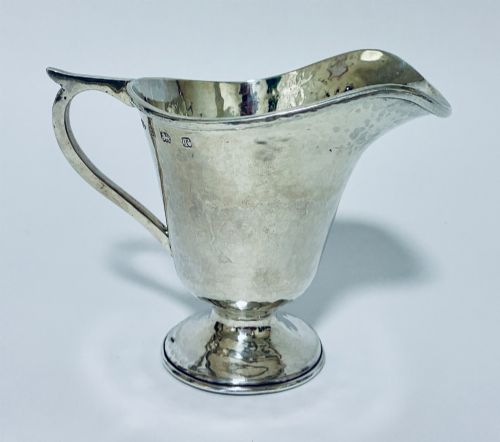
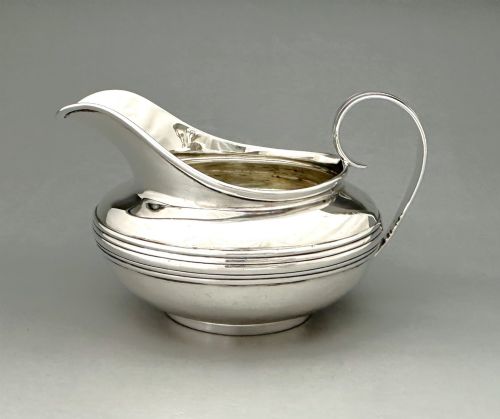
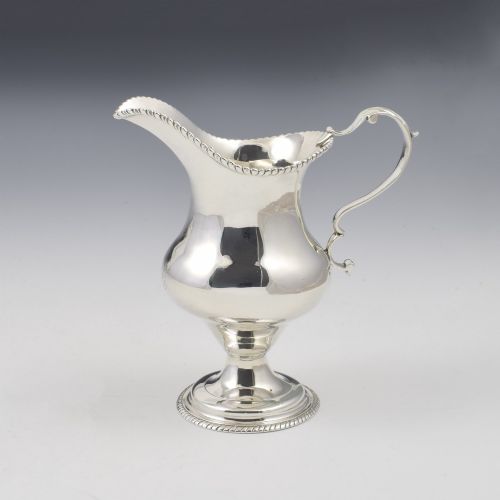
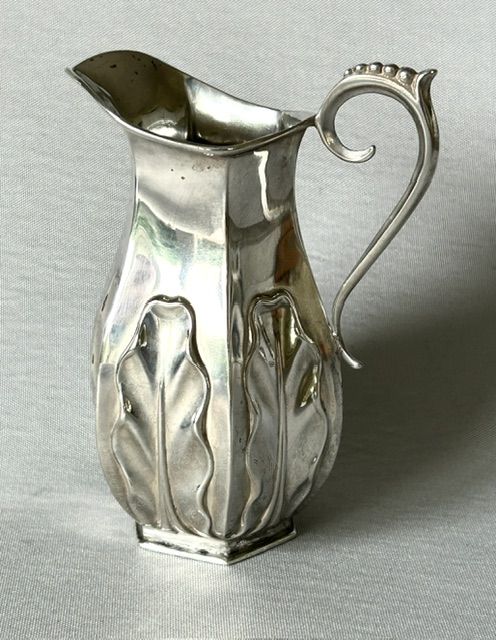

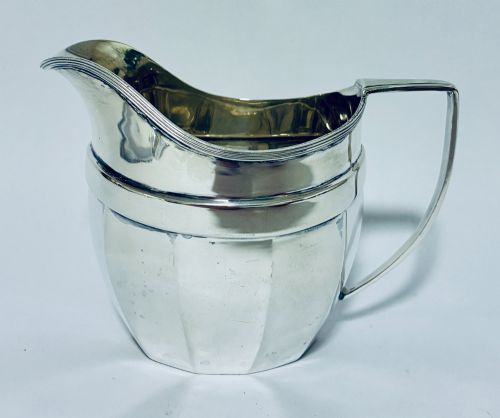


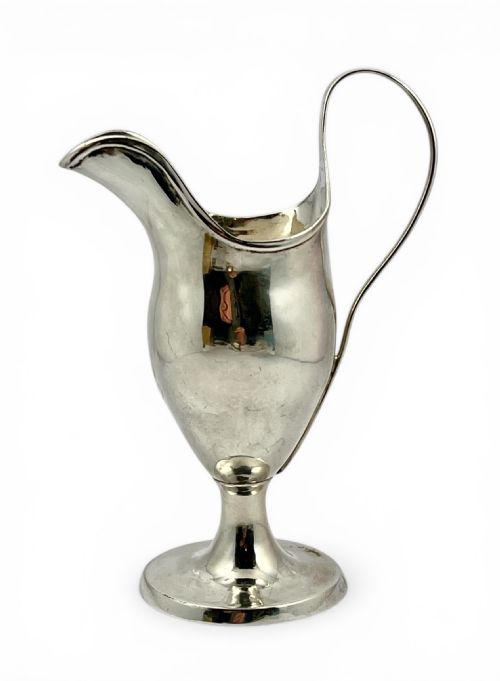


Sterling Silver Milk Pitcher
A sterling silver milk pitcher is a handsome table vessel designed to serve cream with tea, prized for its classic form and gleaming metal.
Identifying Your Sterling Silver Milk Pitcher
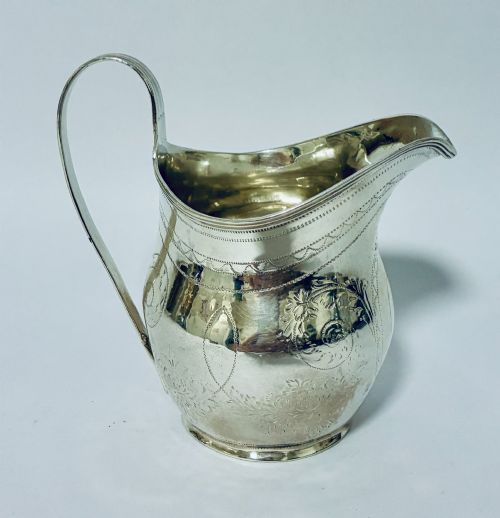
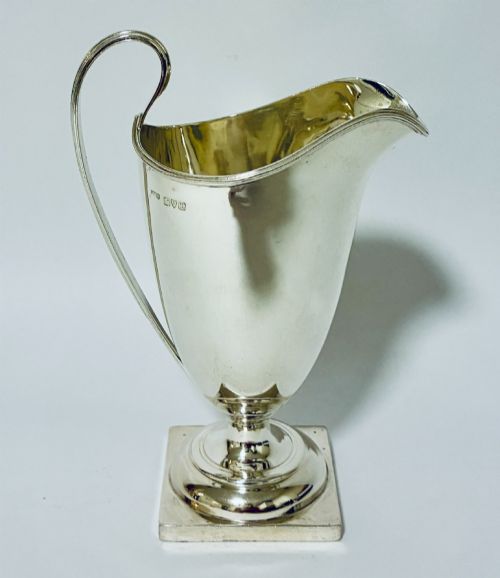
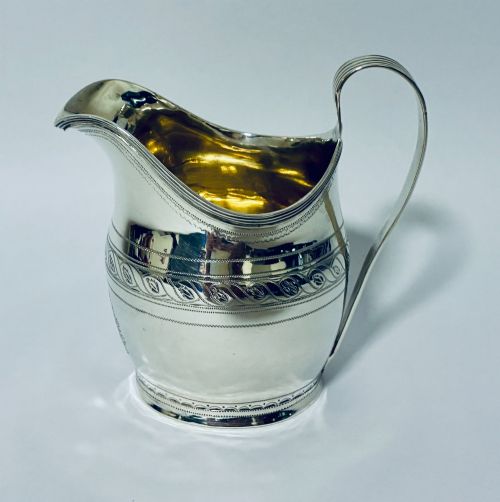
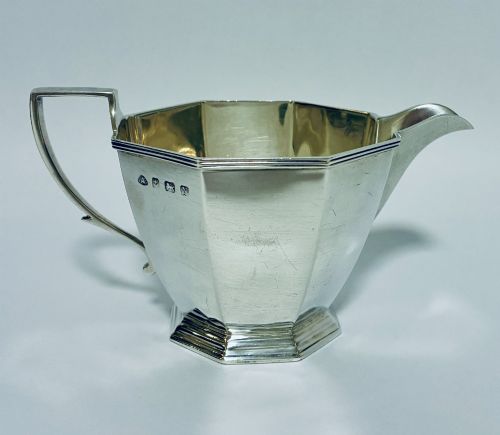
A sterling silver milk pitcher brings historic elegance to the table, and visitors to this page will most commonly encounter Georgian examples from the eighteenth century. These pieces encompass specific regional styles, including Irish silver cream jugs alongside London-made vessels.
The inventory centres on traditional cream jugs rather than larger milk containers, featuring forms such as the sparrow beak cream jug. Dating spans from the seventeen-thirties through to eighteen-hundred, reflecting the enduring domestic habits of the period.
Construction and Materials
Makers utilised solid sterling silver to shape these pitchers, occasionally applying a silver gilt finish to the interior surface. Metalsmiths relied on traditional hammering, raising and soldering techniques to form the functional bodies and handles.
Craftsmen balanced durability with aesthetic refinement, ensuring the metal gauge supported daily use while retaining delicate proportions. Surviving examples demonstrate the skillful hand of eighteenth-century silversmiths working with precious metal.
Retail Price Guide 2026
Typical UK retail prices for sterling silver milk pitcher, calculated from the Sellingantiques database of over a million retail prices indexed since 2003. This retail price guide relies exclusively on Sellingantiques data; no external sources or auction records are used, so the figures do not describe the wider market.
Assessing Quality
Quality rests in the crispness of the silversmith's form, the weight of the metal and the clarity of any engraved or chased decoration. Early sparrow beak vessels demonstrate superior proportion when the spout integrates seamlessly with the body.
The distinction between average and exceptional pieces lies in the preservation of original makers' marks and the harmonious balance of the handle. Superior items retain their structural integrity and crisp surface detail through centuries of service.
John Emes
The Sterling Silver Milk Pitcher Glossary
- Sterling silver
- A standard alloy consisting of ninety-two point five percent silver and seven point five percent other metals, usually copper. This composition provides the durability required for functional tableware.
- Sparrow beak
- A small eighteenth-century cream jug design characterised by a short, pinched spout resembling a bird's beak. This form appears frequently in early Georgian silver.
- Silver gilt
- Sterling silver that has been coated with a thin layer of gold on the surface. This technique was often applied to the interior of pitchers to protect the silver from tarnishing.
- Georgian
- Pertaining to the period of British history covering the reigns of the first four Georges, from seventeen-fourteen to eighteen-thirty. It is marked by distinct neoclassical and rococo design influences.
Frequently Asked Questions
What is a sparrow beak jug?
A sparrow beak jug is an eighteenth-century form of cream pitcher defined by its distinctive pinched, bird-like spout. These small vessels were designed for pouring cream into tea.
They represent a specific Georgian aesthetic, combining compact proportions with practical domestic utility.
Was silver gilt used inside pitchers?
Silver gilt interiors were frequently employed to prevent the acid in dairy products from tarnishing or reacting with the bare sterling silver. This gold wash adds a warm contrasting tone inside the vessel.
It demonstrates a practical consideration for maintaining the appearance and hygiene of the piece.
Can I use these pitchers daily?
Historic silver pitchers are robust enough for occasional gentle use, though many collectors prefer to display them as decorative items. Hand washing with mild soap is essential to preserve the antique finish.
Careful handling ensures the centuries-old metal and solder joints remain undamaged over time.