
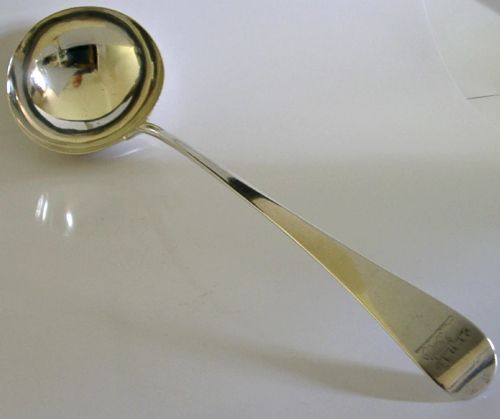
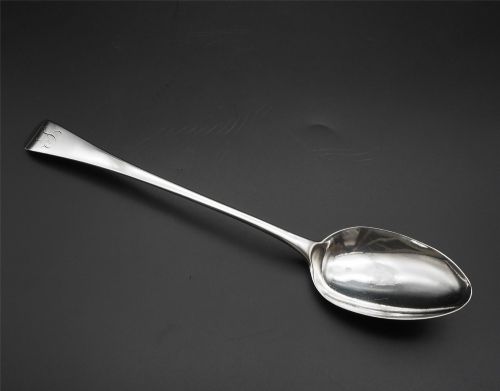
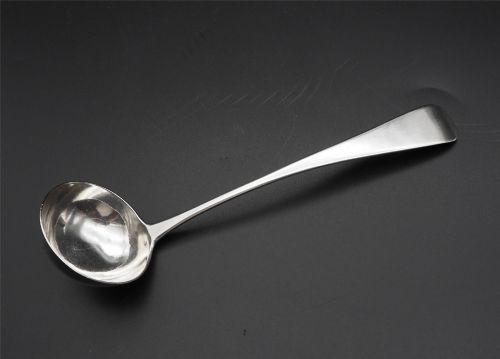
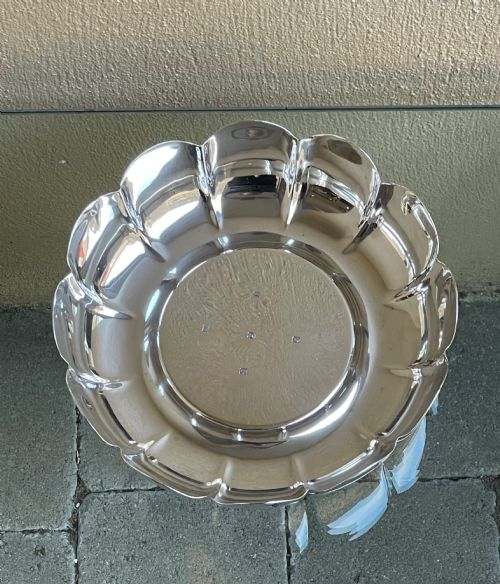
Georgian Tableware Silver
Georgian tableware silver brings distinct silverwork to the table, offering utility and elegance from the Regency and eighteenth-century periods.
What georgian tableware silver is
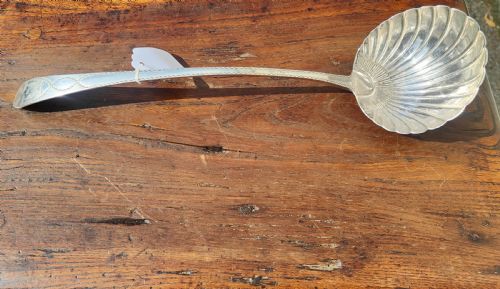
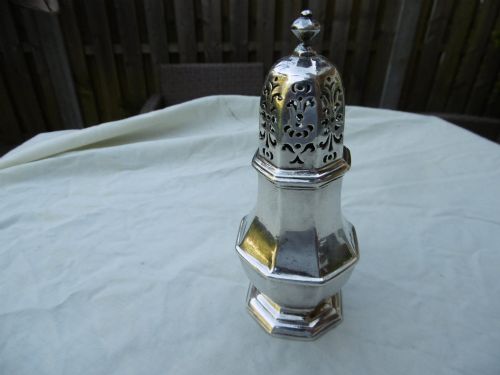
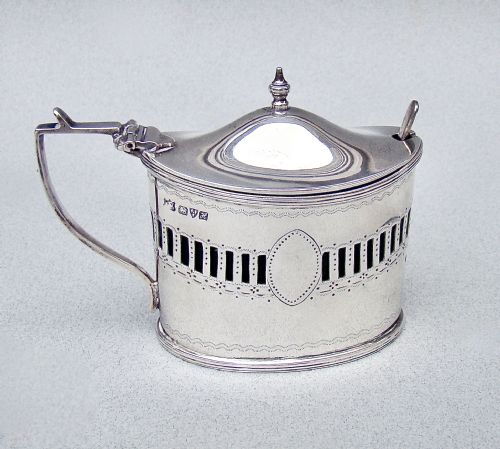
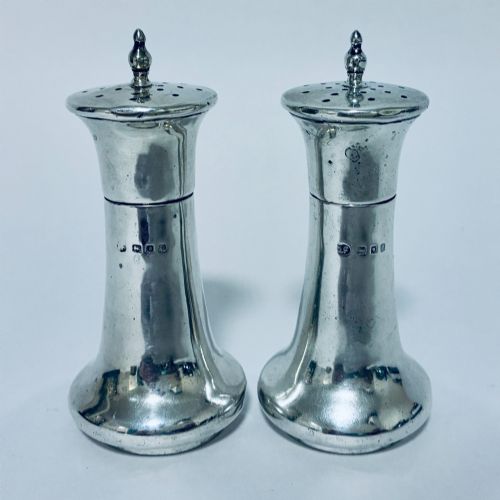
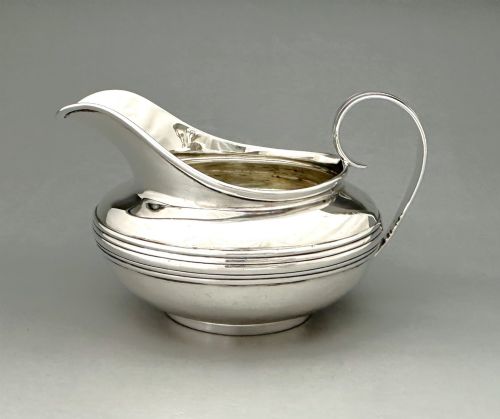
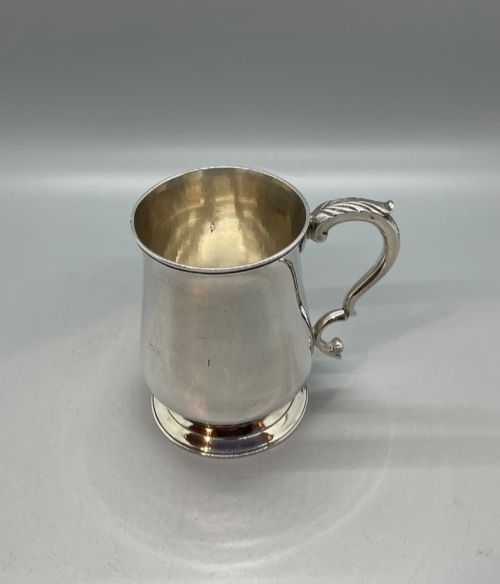
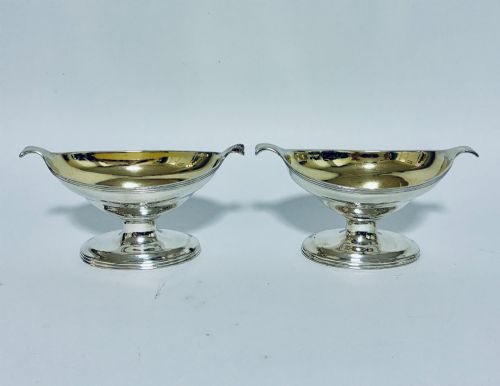
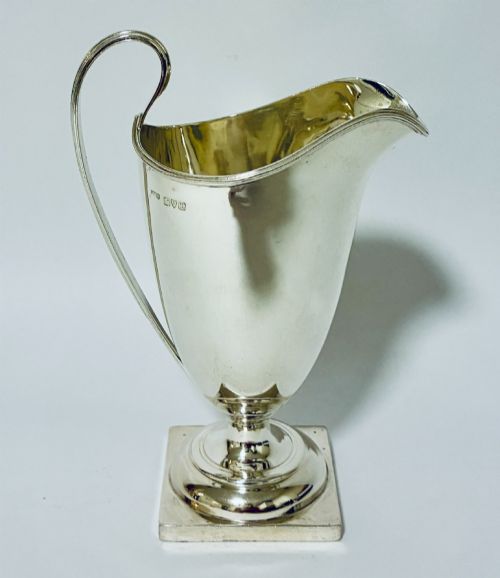
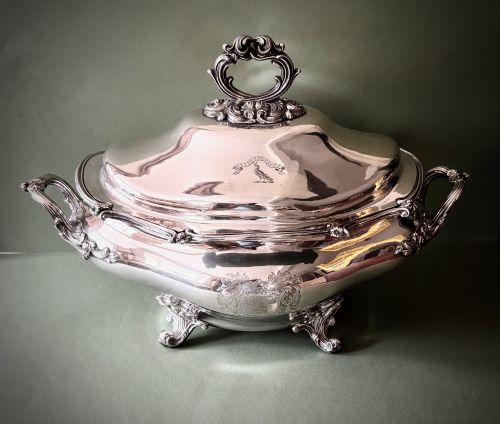
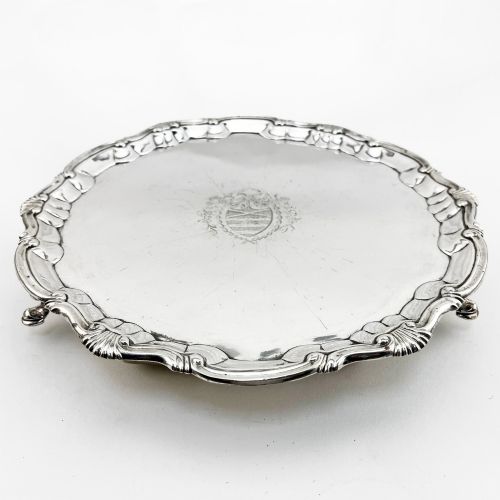
Georgian tableware silver encompasses functional items designed for dining and serving during the Georgian era, including specific forms such as knife rests and cream jugs. These pieces reflect the domestic habits of the period, executed in solid or sterling silver.
The selections on this page span the 18th Century and Regency periods, showcasing styles from the George III era alongside hallmark dates like 1831. Buyers regularly encounter cream jugs and sets of knife rests among these listings.
Origin details and hallmarks connect these objects directly to their period of manufacture, notably through London hallmarks. Each form demonstrates the specific utility required by historical dining practices.
How they were made
Makers utilised sterling silver and solid silver to fabricate these tableware pieces, shaping the metal into functional forms like cream pails and knife rests. Gold gilt appears as a surface treatment to enrich specific examples.
Craftsmen applied traditional silversmithing techniques, shaping and assembling components by hand before applying hallmarks to verify the metal standard and origin.
A solitary eighteenth-century cream pail by John Mackfarlan weighs exactly eighty grams.
What varies in quality
Quality differences emerge in the crispness of the chased or formed details and the preservation of original hallmarks. Pieces retaining clear maker marks and sharp execution stand apart from heavily worn examples.
The weight of the silver and the complexity of the form, such as pierced work on a cream pail or the balanced geometry of a knife rest set, dictate the refinement of the object.
John Mackfarlan
The Georgian Tableware Silver Glossary
- Sterling Silver
- A silver alloy containing 92.5 percent silver by mass, standard for quality British tableware.
- Hallmark
- An official stamp applied to precious metals indicating the standard of purity, origin city, and year of manufacture.
- Regency
- The period in British history from 1811 to 1820, or a style associated with the early nineteenth century.
- Cream Pail
- A small open vessel used for serving cream at the table, often featuring pierced decoration.
Frequently Asked Questions
What is georgian tableware silver?
Georgian tableware silver comprises functional silver items made during the eighteenth and early nineteenth centuries. These include dining accessories and cream vessels intended for domestic service.
The category highlights items such as solid silver knife rests, cream pails, and jugs bearing period hallmarks.
How do I identify the date?
Dates are identified through official hallmarks stamped directly onto the silver. These marks typically indicate the assay office, such as London, and a specific year letter.
Additional dating clues come from the stylistic traits associated with the George III or Regency periods.
What materials were used?
Maker workshops worked primarily in sterling silver and solid silver. Some items also feature gold gilt surfaces.
These precious metals provided the durability and appearance expected in elite dining environments.
How were knife rests used?
Knife rests served to keep carving or dining knives elevated off the tablecloth between courses. Sets were placed around the table for guests.
They combine practical protection of linens with refined metalwork.