


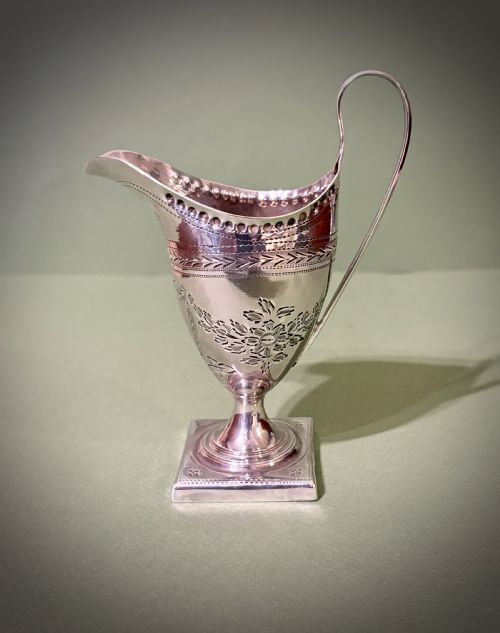


18th Century Silver Jug
An 18th century silver jug brings tactile Georgian craftsmanship and classic proportion directly to the table.

18th Century Silver Jug
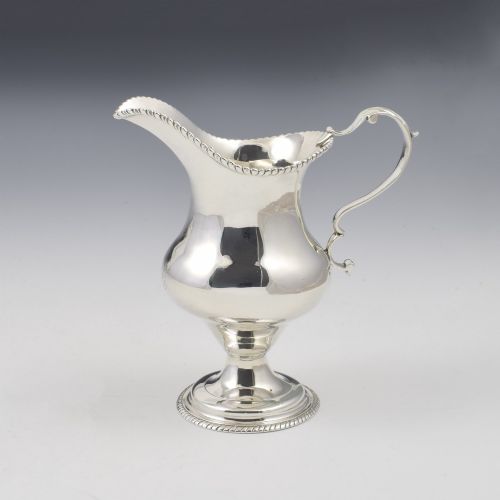
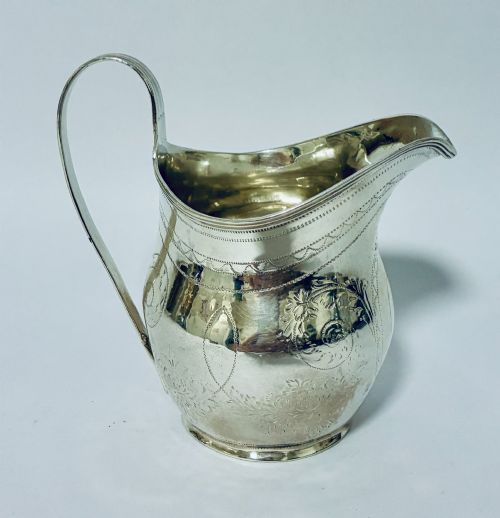
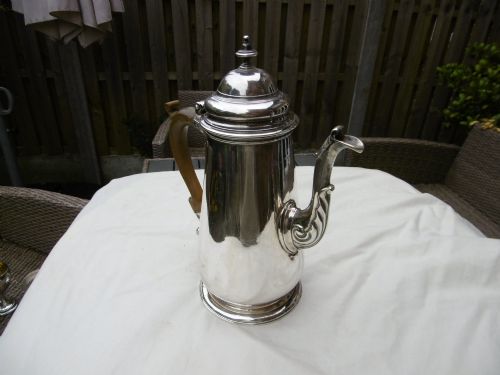
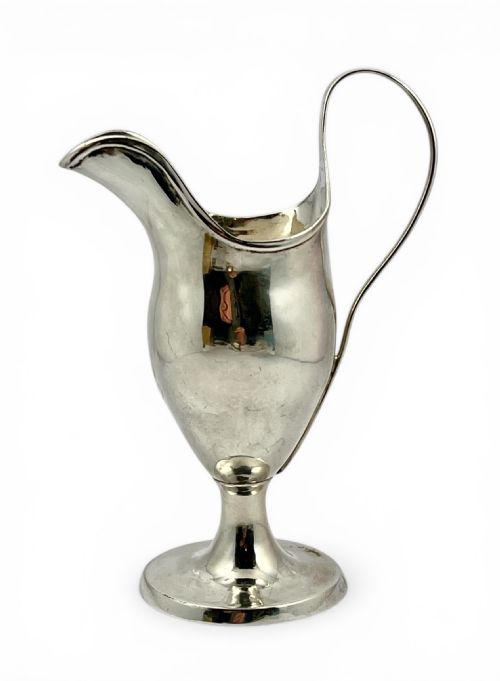
When you search for an 18th century silver jug, you encounter a variety of forms including cream jugs, coffee pots, helmet jugs, and sauce boats. These domestic vessels served formal tea and coffee services as well as daily dining needs across Georgian households.
The pieces on this page span the 18th Century and Georgian periods, showcasing regional British workshops from London to Newcastle and Aberdeen, alongside Old Sheffield Plate alternatives. Smaller cream and milk jugs appear frequently alongside taller coffee pots and lidded tankards.
Makers working within these styles utilised traditional casting, raising, and plating techniques to produce both solid sterling silver and plated wares. The forms range from simple sparrow beak profiles to elaborate Rococo and Neoclassical shapes.
Materials and construction
Silversmiths formed solid sterling silver items by hammering flat metal sheets into hollow vessels, raising the body and soldering seams before adding cast handles and feet. This method provided structural strength while allowing for intricate embossed or chased decoration.
Old Sheffield Plate pieces were constructed by fusing a thin layer of silver onto a thicker copper core, creating a durable material that mirrored solid silver at a different weight. Makers of these plated wares used copper and early marks to indicate their production methods.
Some domestic pitchers combined hard-wearing ceramic bodies, such as stoneware, with fitted silver plated lids and mounts. Wooden handles were also integrated into coffee pots and jugs to provide insulation against heat during use.
18th Century Silver Jug Retail Price Guide 2026
Typical asking prices for 18th century silver jug among the pieces listed under this phrase on Sellingantiques today, from the lower quarter to the upper quarter. They describe what is for sale here now, not the wider market.
Some sparrow beak jugs are so petite they hold barely enough cream for a single solitary cup of morning tea.
Assessing quality and execution
The calibre of a piece depends heavily on the crispness of its chased decoration and the balance of its proportions. Superior examples display clean solder lines, securely seated lids, and well-balanced handles that feel substantial in the hand.
Maker's marks and hallmarks stamped into the metal provide crucial evidence of origin and standard, with legible punches indicating careful workshop oversight. Pieces featuring named provincial or London makers often show superior detailing in handles and spouts.
In Old Sheffield Plate items, quality is evident in the controlled application of the silver layer over the copper substrate, avoiding excessive wear that reveals the base metal beneath. The structural integrity of spouts and joints distinguishes finer tableware from standard utility items.
Stalker & Mitchison·Richard Gurney·James Gordon·John Hoyland·Peter & Ann Bateman·John Mackfarlan·John Scofield
The 18th Century Silver Jug Glossary
- Sparrow beak jug
- A small cream jug featuring a distinctive, pinched spout resembling a bird's beak. This form is typical of early Georgian silver tableware.
- Helmet jug
- A cream or milk jug shaped with a flared, upswept rim resembling a classical helmet. These vessels often sit on a square or circular foot.
- Old Sheffield Plate
- A composite material made by fusing silver and copper together under heat. It allowed makers to produce large coffee pots and pitchers with the appearance of solid silver.
- Sauce boat
- An open vessel with a lip and handle designed for serving gravies and sauces at the table. They frequently rest on three cast feet or a fixed tray base.
- Hallmark
- A series of stamped official marks guaranteeing the purity of the metal, the maker, and the year of assay. These punches are essential for dating British silver.
18th Century Silver Jug: Frequently Asked Questions
How do I clean an old silver jug?
Clean sterling silver items gently using a specialised silver cloth or mild soapy water to preserve the surface patina and avoid abrading soft hand-chased details. Avoid harsh chemical dips that strip away the subtle darkening in recessed areas.
For Old Sheffield Plate pieces, use minimal friction during cleaning so the silver layer remains intact over the underlying copper substrate. Dry the vessel thoroughly with a soft cloth after washing to prevent moisture spotting.
Were these jugs used for milk or cream?
These small vessels served primarily to hold dairy for tea and coffee service in Georgian homes. Their capacity varied depending on whether they were intended for individual place settings or larger social gatherings.
Many examples feature spouts shaped specifically for pouring thin streams of cream or milk into porcelain cups. Their forms evolved from simple sparrow beak designs into elaborate helmet and pail shapes over the course of the century.
What is Old Sheffield Plate?
Old Sheffield Plate is an early composite material created by fusing a thin sheet of silver onto a thicker copper ingot. This technique enabled makers to produce large coffee pots and pitchers that looked like solid silver at a lower cost.
Under magnification, skilled examination sometimes reveals a thin line of copper showing along the cut edges or wear points of the vessel. This method preceded modern electroplating and remains a hallmark of Georgian manufacturing ingenuity.
How can I tell a coffee pot from a cream jug?
Coffee pots stand significantly taller, typically featuring a wooden side-handle and a hinged lid designed to retain heat. They are built to hold larger volumes of hot beverages for multiple guests.
Cream jugs are much smaller vessels with open tops or hinged lids, designed for holding dairy rather than brewing liquids. Their scale and handle placement reflect their role in accompanying a tea or coffee service.
Can I use these antiques for daily dining?
Many solid silver and sturdy plated vessels remain physically robust enough for contemporary table use. However, owners often choose to display them or reserve them for special occasions to protect their historical surfaces.
Thermal shock from boiling liquids should be avoided with pieces containing wooden handles or delicate soldered joints. Hand washing is mandatory for all antique metalware to maintain their structural and visual integrity.