



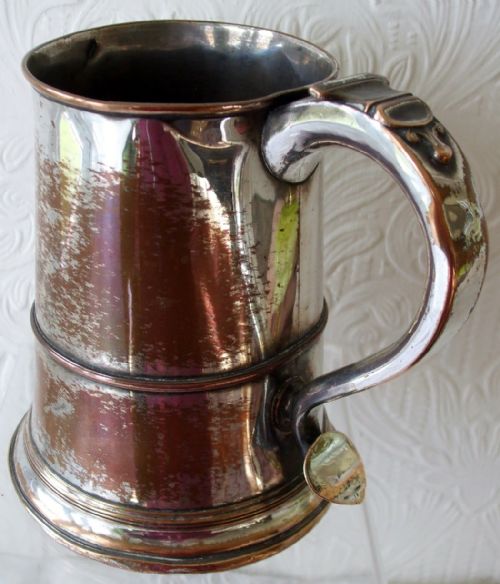
Georgian Silver Hollowware
Georgian silver hollowware comprises tea and coffee vessels, jugs and sauce boats shaped by silversmiths to serve the dining and drawing rooms of the eighteenth and nineteenth centuries.
Georgian Silver Hollowware
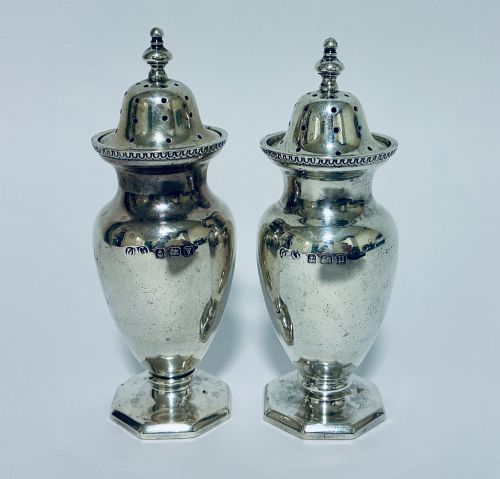
When you search for georgian silver hollowware, you encounter domestic vessels designed for the table and tea service, ranging from small cream jugs to substantial tankards and coffee pots. These functional containers formed the centrepiece of formal hospitality during the eighteenth and nineteenth centuries, produced in both solid sterling silver and plated metals.
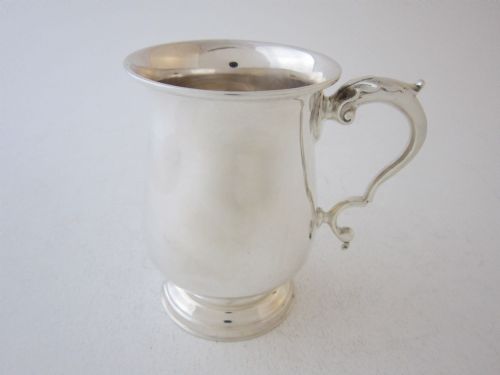
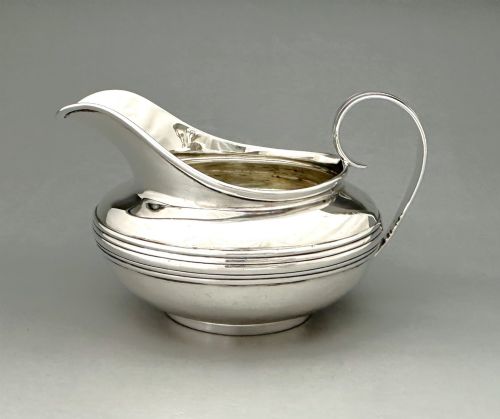
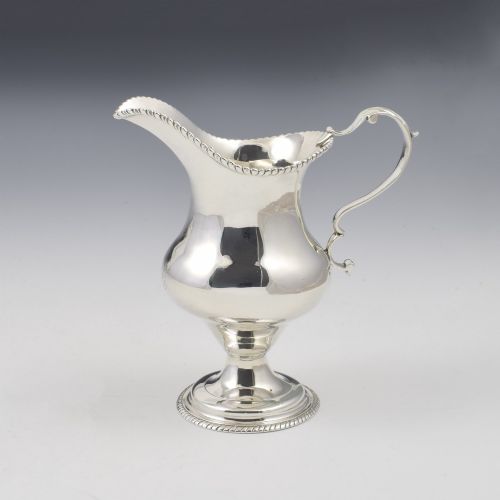
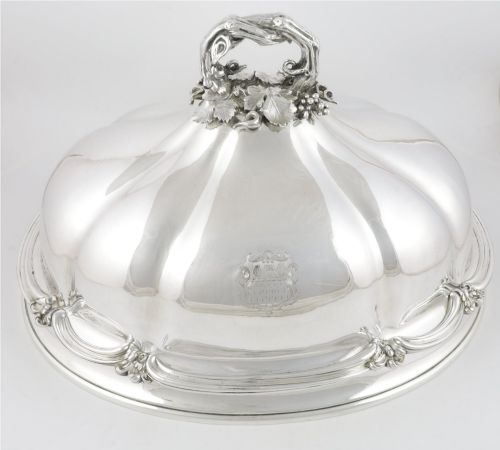
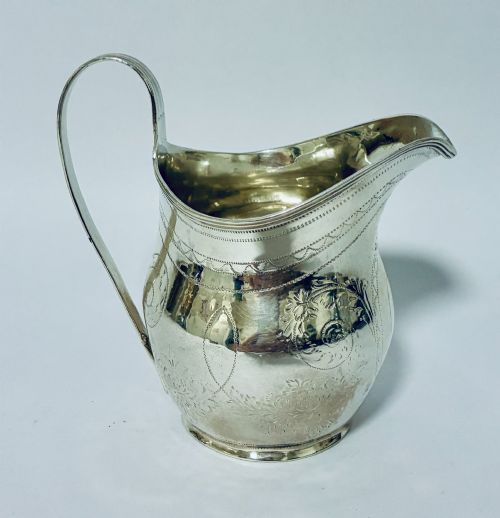
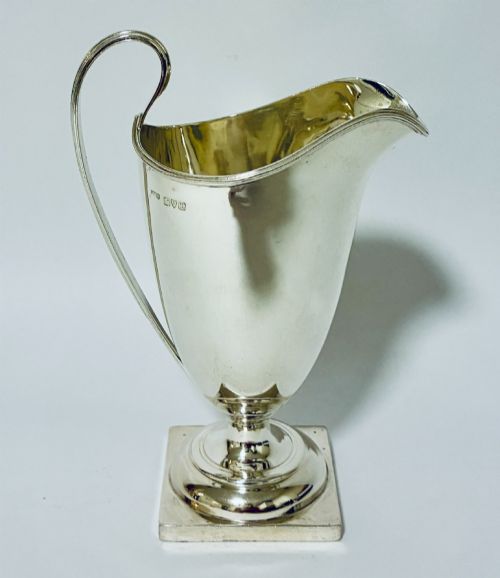
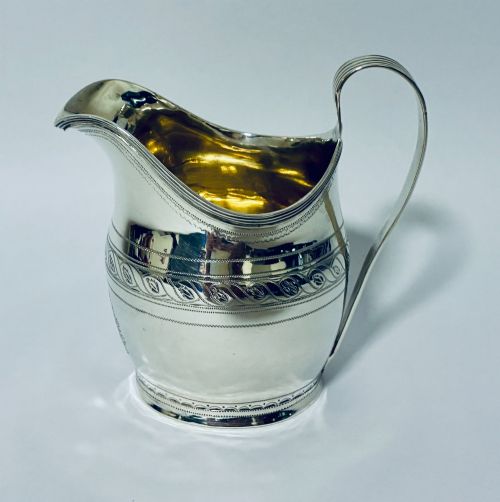
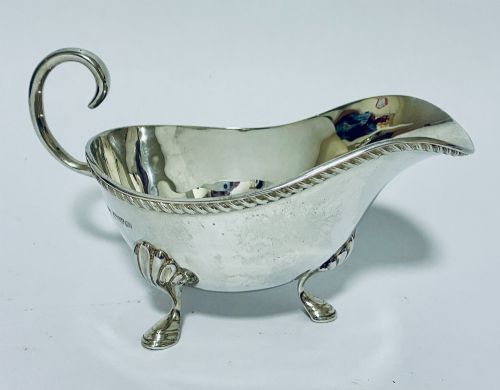
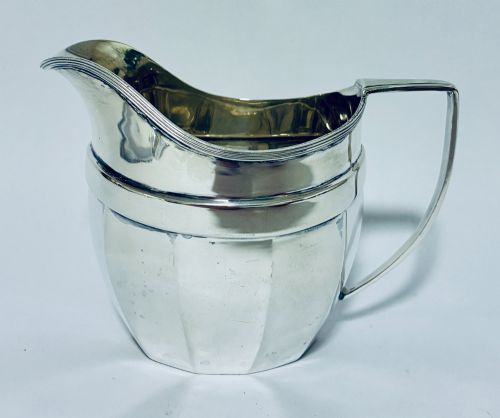
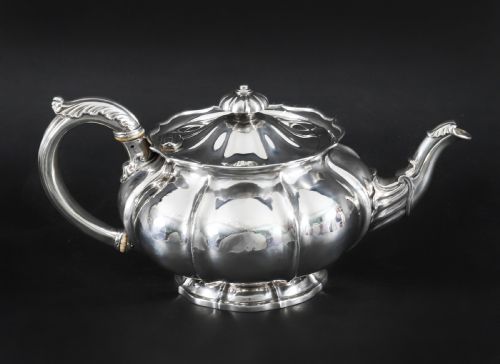
The objects span varied domestic forms, with cream jugs, teapots, tankards and sauce boats appearing most frequently on this page. These pieces reflect the daily rituals of dining and beverage service in period households, created to contain liquids and dry goods during meals.
The inventory includes items bearing specific Georgian reigns alongside provincial work, old Sheffield plate and later interpretations. This selection demonstrates how domestic silver evolved in weight, form and decorative ambition across different British regions.
How they were made
Silversmiths shaped sterling silver through hammering, casting and soldering, building hollow vessels from sheet metal and attaching cast handles and feet. Surface details were added via engraving, chasing or piercing, creating crisp borders and heraldic motifs on the body of the piece.
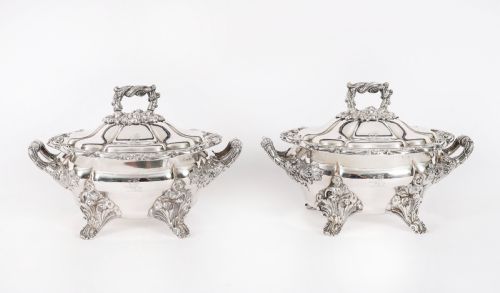
Old Sheffield plate combined copper and silver through a thermal fusion process, resulting in laminated sheets that craftsmen formed into meat domes, coffee pots and sauce tureens. This method allowed makers to produce durable table wares with the appearance of solid silver at a different scale of production.
Georgian Silver Hollowware Retail Price Guide 2026
Typical asking prices for georgian silver hollowware among the pieces listed under this phrase on Sellingantiques today, from the lower quarter to the upper quarter. They describe what is for sale here now, not the wider market.
Early silversmiths fashioned miniature herb teapots so small they look like toys, brewed for expensive leaves traded by the dram.
What varies in quality
The thickness of the metal and the crispness of chased or engraved ornament separate standard commercial pieces from exceptional workshop outputs. Substantial gauge silver provides structural weight and prevents distortion during daily use, while sharply cast handles and feet reveal the precision of the maker's hand.
Makers' marks and town marks establish provenance and assay standards, with clear hallmarks indicating skilled execution and legal compliance. In plated wares, the evenness of the silver skin over the underlying copper core determines the integrity of the surface.
Stalker and Mitchison·Paul Storr·Roberts Cadman·Samuel Blatchford·Robert Hennell I·William Grundy·Robert Pringle and Sons
The Georgian Silver Hollowware Glossary
- Hollowware
- Table vessels designed to hold contents, such as pots, jugs, tankards and tureens, as distinct from flatware like spoons and forks.
- Old Sheffield Plate
- A composite material formed by fusing a thin sheet of silver to a thicker copper ingot, developed in the eighteenth century for tableware.
- Tankard
- A tall drinking vessel with a single handle, frequently fitted with a hinged lid and used for ale or beer.
- Sauce Boat
- An open container with a spouted lip and handle, made to hold gravy or sauces at the dining table.
- Assay
- The official testing of precious metal purity conducted by an assay office, resulting in stamped hallmarks.
Georgian Silver Hollowware: Frequently Asked Questions
How do I clean antique silver hollowware?
Clean sterling silver vessels using a soft cloth and a reputable silver polish formulated to remove tarnish without abrading the surface details. Wash the piece in warm soapy water afterwards and dry it completely.
Avoid harsh chemical dips that strip the natural dark patina from recessed areas and engraved lines. Regular gentle handling preserves the metal finish better than aggressive scrubbing.
What is the difference between sterling and plate?
Sterling silver consists of solid metal conforming to a strict legal fineness standard, containing a high proportion of pure silver alloyed with copper for strength. It maintains its material composition throughout its thickness.
Old Sheffield plate comprises a thin layer of silver fused over a copper base metal. This technique creates a distinct layered edge where the copper core remains visible beneath the silver surface.
How do I date a piece of hollowware?
Examine the stamped hallmarks on the base or rim, which typically include a maker's mark, a standard mark, a town mark and a date letter corresponding to the assay office records. These punches provide a precise year of testing.
Stylistic indicators such as silhouette, handle attachment and decorative motifs also help determine the period when hallmarks are rubbed or absent.
Can I use these vessels for food and drink?
Many historical vessels were designed for culinary use, but older pieces may require professional cleaning to ensure they are safe for modern consumption. Sterling silver is chemically stable with most foods.
Plated items require care to ensure the underlying copper base is not exposed through worn silver layers. Inspect the interior surfaces before serving liquids.