








Georgian Sterling Silver Creamer
A Georgian sterling silver creamer brings table silver into focus, offering period form and solid metal for daily tea service.
What They Are
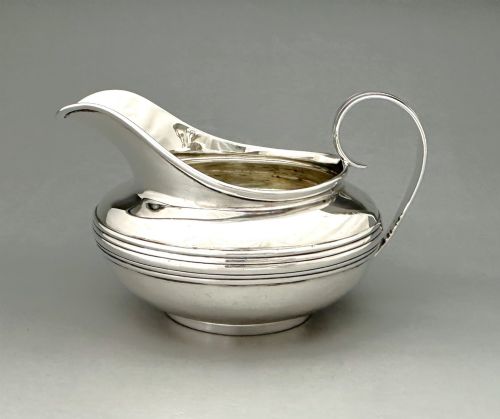
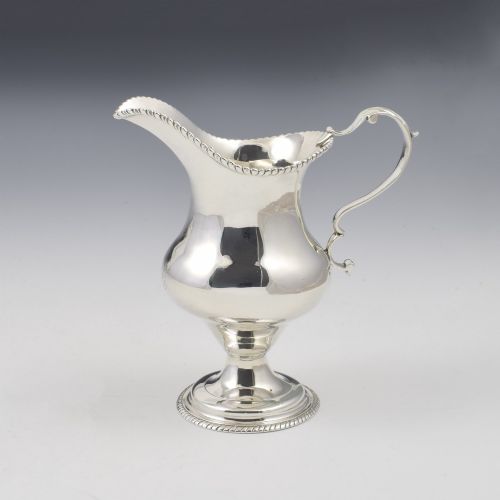
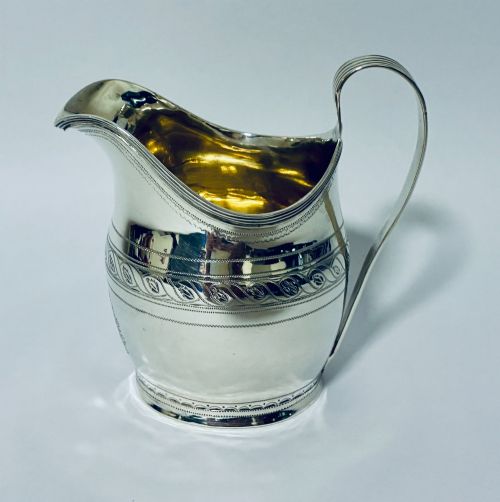
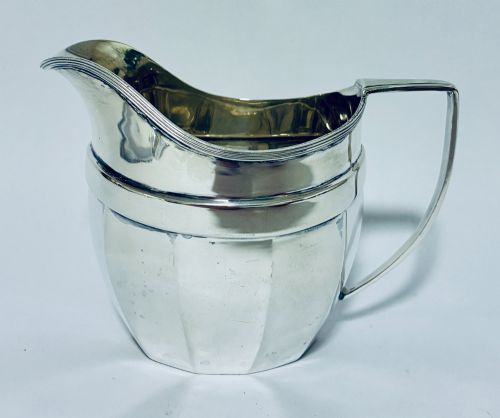
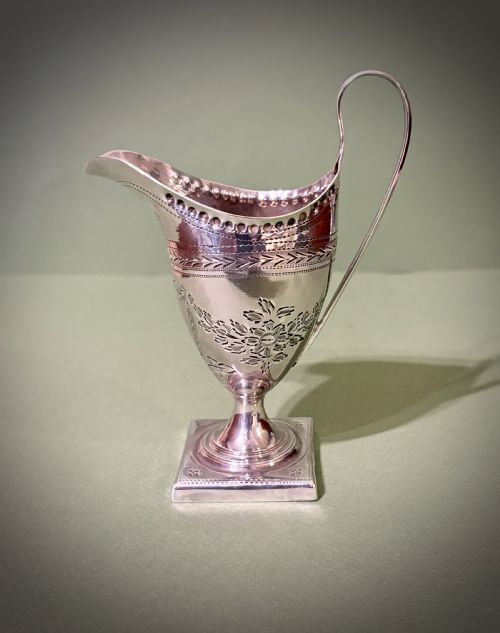
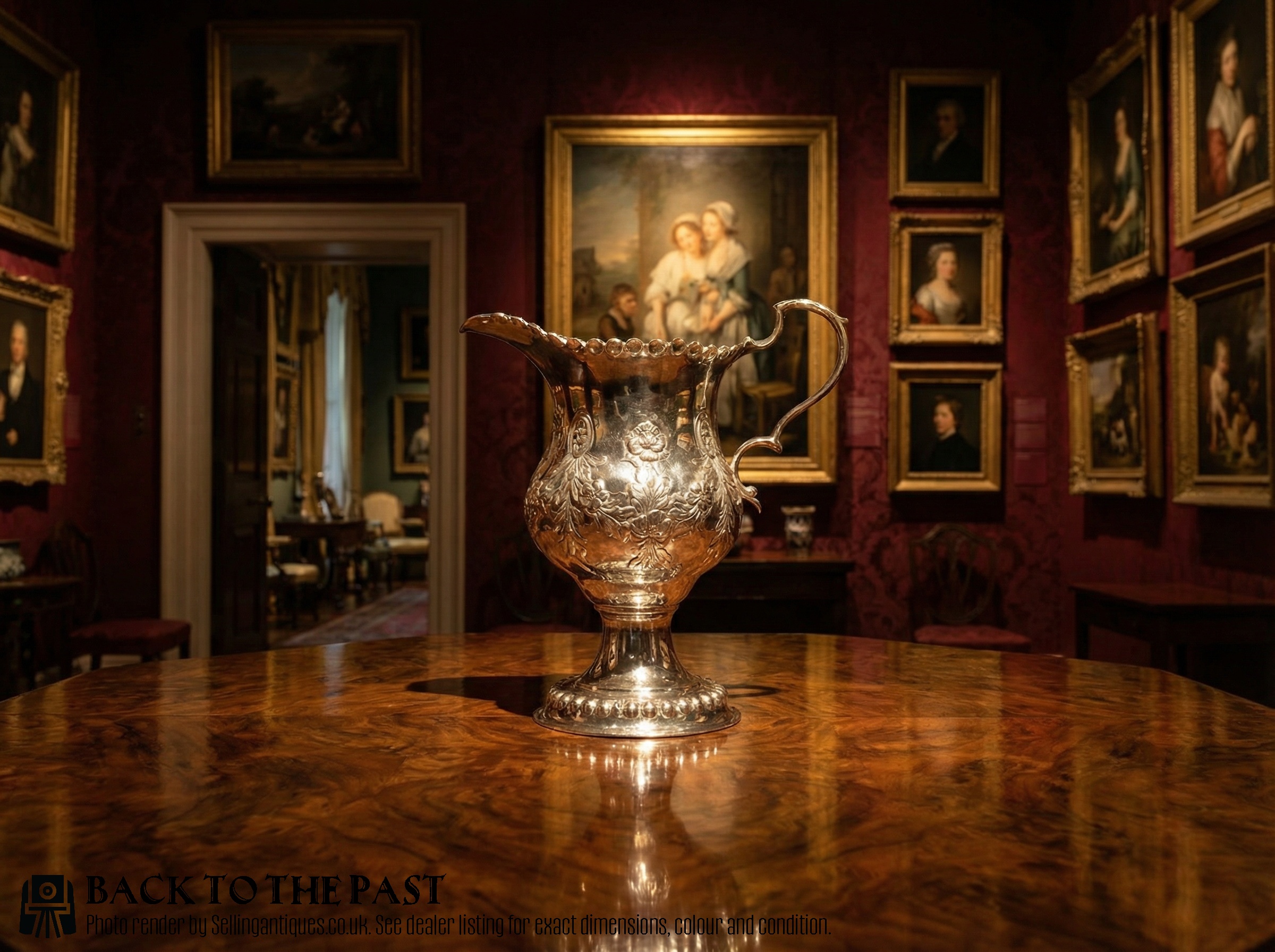
A georgian sterling silver creamer sits at the heart of antique table silver, taking the form of a small pouring jug designed to serve cream or milk during tea. These vessels appear across the eighteenth century and into the nineteenth century, reflecting shifts in dining habits and domestic silver production. The listings here contain cream jugs and milk jugs spanning the Georgian and Regency periods.
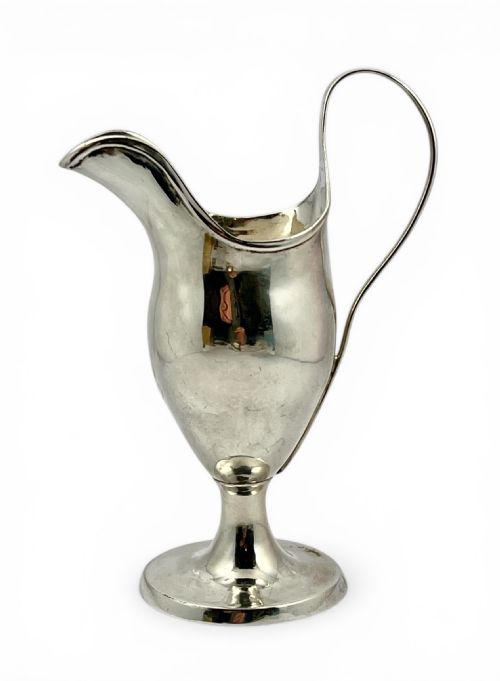
Most examples found on this page belong to the broader Georgian era, with specific dates reaching back to seventeen thirty-seven and forward into the eighteen twenties. Forms range from compact sparrow beak vessels to larger jugs, all fashioned from sterling silver. Buyers meet both plain silver surfaces and interior gilt finishes.
Originating in England, these pieces carry hallmarks tied to London production. They serve as functional antiques that connect modern tea tables directly to eighteenth and nineteenth century domestic rituals. Every item listed on this page shares this heritage of British silver manufacturing.
How They Were Made
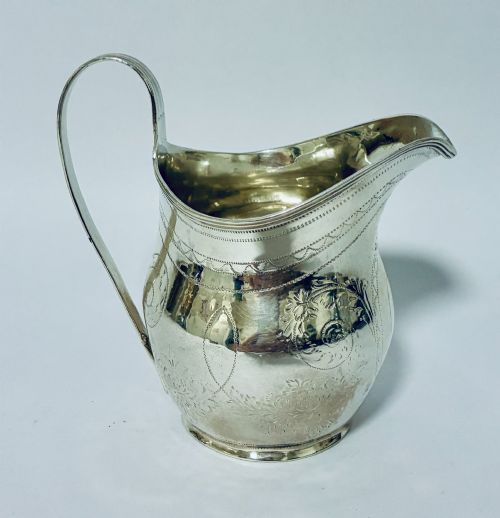
Silversmiths formed each georgian sterling silver creamer from solid sterling silver, hammering and shaping sheet metal into hollowware bodies. Makers applied chased or engraved decoration directly to the silver surface, while handles were soldered securely to the main body. Interiors often received a layer of gold wash, known as gilt, to protect the silver from acidic dairy contents.
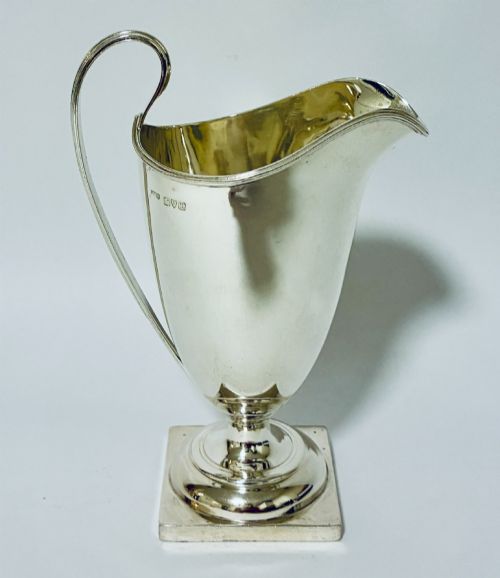
Makers struck hallmarks directly into the metal to record the standard of the silver, the assay office, and the year of production. These stamps provide a permanent record of manufacture, linking each jug to London workshops of the eighteenth and nineteenth centuries. The weight of the metal varied according to the specific design and period.
Retail Price Guide 2026
Typical UK retail prices for georgian sterling silver creamer, calculated from the Sellingantiques database of over a million retail prices indexed since 2003. This retail price guide relies exclusively on Sellingantiques data; no external sources or auction records are used, so the figures do not describe the wider market.
Periods represented span the eighteenth century, the Georgian era, the year eighteen hundred, and the Regency period.
What Varies in Quality
The distinction between standard examples and exceptional pieces rests on the crispness of the silversmith's work and the integrity of the form. Early sparrow beak jugs from the eighteenth century demonstrate refined handling of proportion, whereas later Regency pieces show different stylistic priorities in handle and spout construction. The depth and clarity of the London hallmarks further distinguish individual pieces.
The presence of original silver gilt interiors adds a layer of finish that elevates specific examples within the range. Heavy gauge silver provides a more substantial feel in the hand compared to lighter contemporary alternatives. Overall quality emerges from the balance between structural weight, decorative restraint, and the legibility of the maker's mark.
John Emes
The Georgian Sterling Silver Creamer Glossary
- Sterling Silver
- An alloy containing ninety-two point five percent silver and seven point five percent other metals, typically copper. This standard forms the baseline material for British silver creamers across the Georgian period.
- Gilt
- A thin layer of gold applied to the interior surface of a silver vessel. In cream jugs, this treatment prevents the tarnishing effect of dairy products on the underlying silver.
- Hallmark
- A series of official stamps struck into precious metal objects to guarantee purity, origin, and date. London assay office marks appear frequently on these pieces.
- Sparrow Beak
- A small eighteenth-century cream jug design featuring a characteristic, bird-like projecting spout. This early form is valued for its compact and specific silhouette.
- Hollowware
- Tableware and decorative objects formed from sheet metal into three-dimensional vessels. Creamers and milk jugs represent classic examples of this silversmithing category.
Frequently Asked Questions
How do I date a silver creamer?
Dating relies primarily on the official hallmarks stamped directly into the metal by the assay office. These marks include date letters that correspond to specific years of manufacture.
Stylistic shifts, such as the transition from early eighteenth-century sparrow beak forms to later Regency shapes, also help establish the approximate period of creation.
Can I use an antique creamer daily?
Many collectors choose to integrate these sturdy silver vessels into modern tea service. Sterling silver is durable enough for regular handling when treated with appropriate care.
Hand washing with mild soap and soft cloths preserves the polished surface and protects any interior gilt finish from unnecessary wear.
What does a gilt interior mean?
A gilt interior refers to a thin layer of gold applied to the inside of a silver creamer. Silversmiths used this technique to prevent dairy acids from tarnishing the bare silver.
This historical treatment adds a warm contrast to the bright exterior metal and indicates a higher level of original finish.