



Georgian Silver Mug
When choosing a georgian silver mug, collectors secure a durable vessel forged during the eighteenth and early nineteenth centuries for domestic drinking and presentation.
Georgian Silver Mug
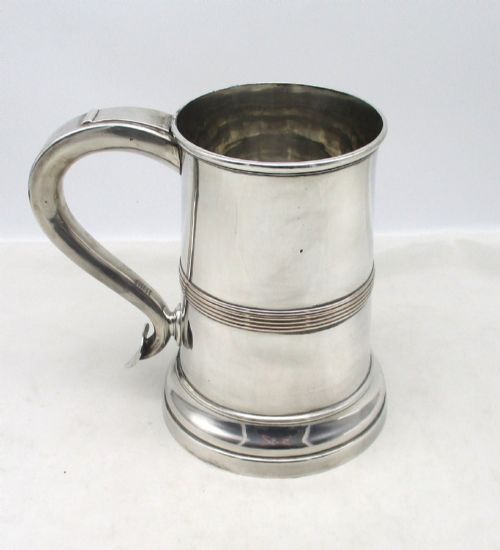
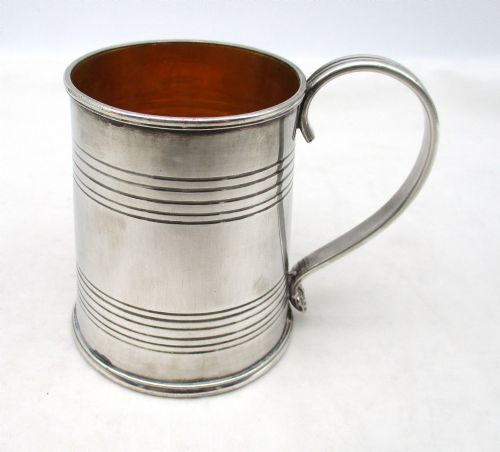
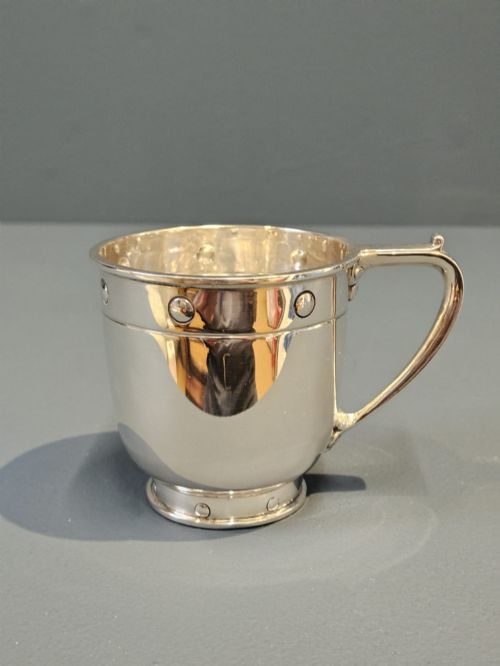
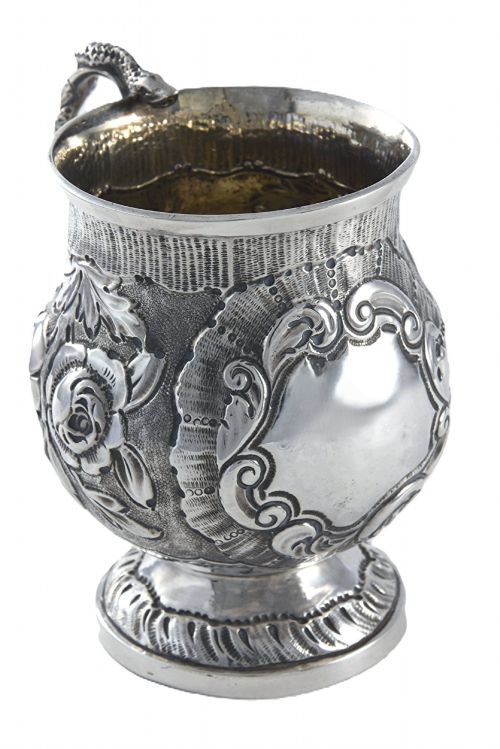
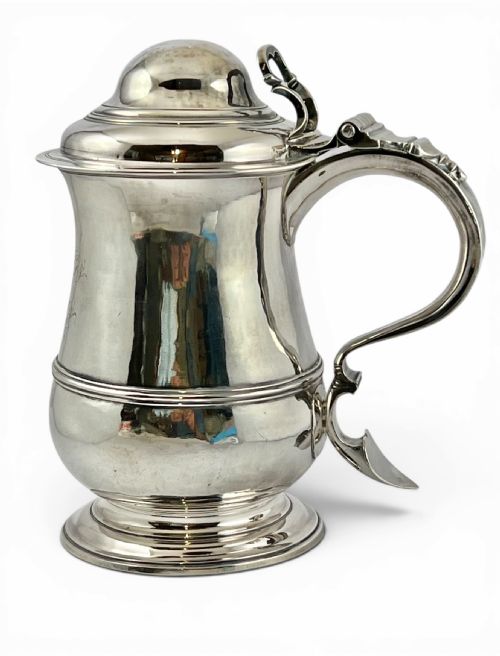
A georgian silver mug encompasses drinking vessels and tankards produced across the eighteenth and early nineteenth centuries, featuring both plain bodies and ornamented surfaces. Buyers frequently encounter examples designated as pint or half-pint sizes, alongside smaller christening cups intended for family presentations.
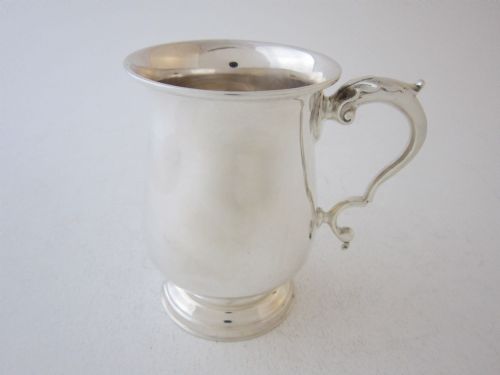
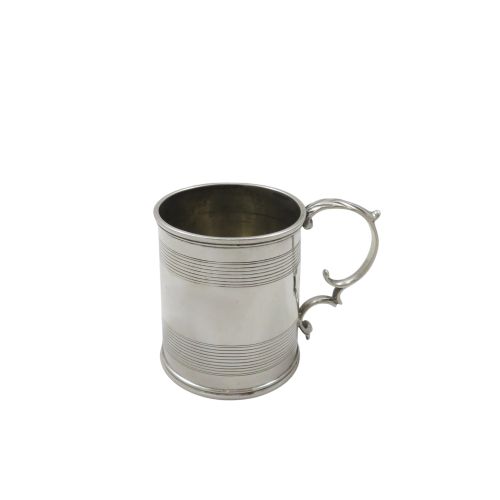
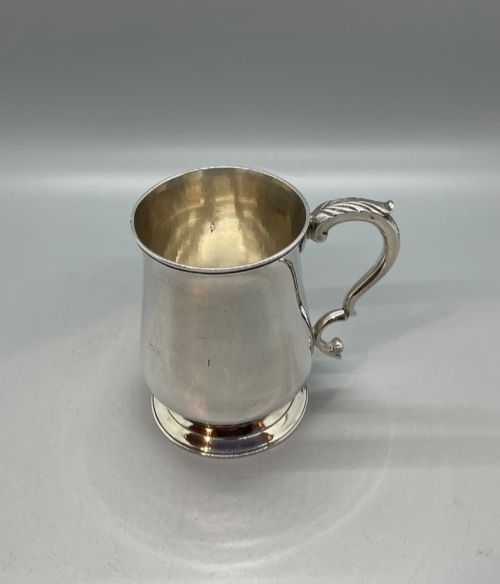
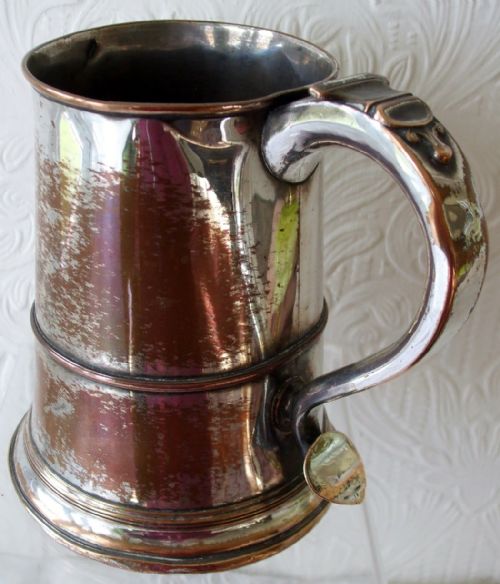
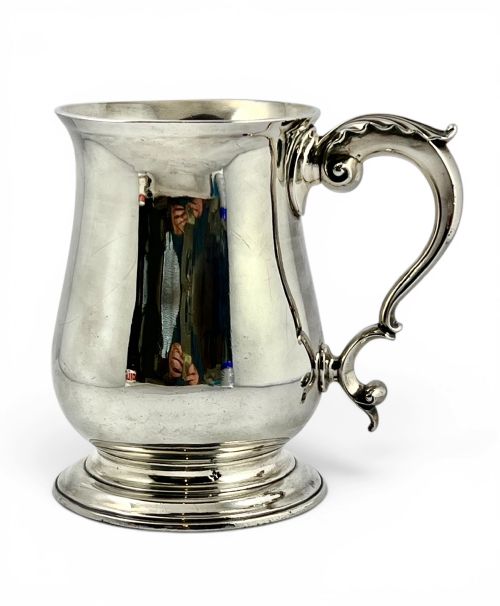
The selection ranges from sturdy sterling silver forms carrying provincial or London hallmarks to Old Sheffield Plate alternatives produced in the same eras. Makers shaped these items into baluster, barrel, and straight-sided profiles designed for daily beverage consumption or celebratory toasts.
How they were made
Silversmiths constructed solid pieces using sterling silver or Britannia standard metal, hammering and raising flat sheets into hollowware bodies before attaching cast scroll or serpent handles. Alternatively, workshops utilised Old Sheffield Plate, fusing a layer of silver over a copper base to achieve the appearance of solid metal at a different cost.
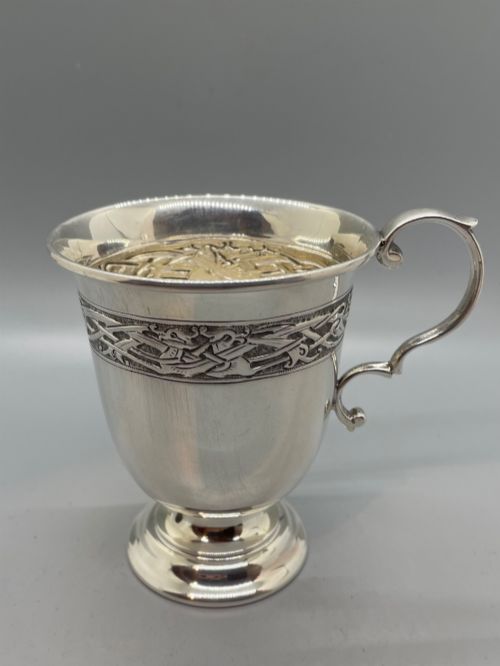
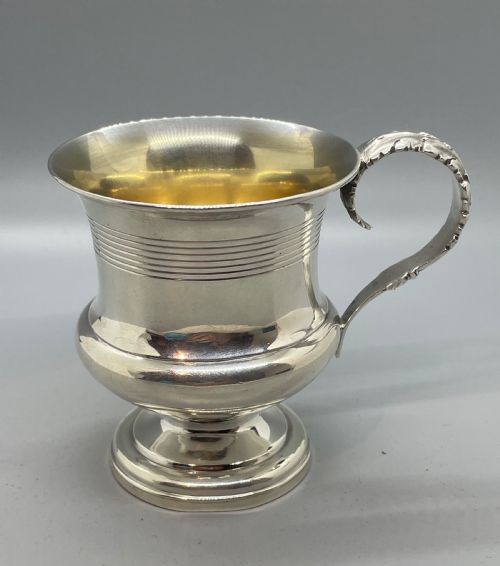
Surface ornamentation involved hand chasing, repousse work, and engraving to render floral motifs, crests, and hunting scenes. Interior surfaces occasionally received a wash of gold gilt, contrasting with the exterior metal.
Georgian Silver Mug Retail Price Guide 2026
Typical asking prices for georgian silver mug among the pieces listed under this phrase on Sellingantiques today, from the lower quarter to the upper quarter. They describe what is for sale here now, not the wider market.
Listings feature sterling silver, copper, and Old Sheffield Plate, spanning periods from the eighteenth century through the George V era.
What varies in quality
Distinction across the range rests upon the crispness of the hand-chased decoration and the structural integrity of applied handles and feet. Superior items display clear hallmarks, balanced proportions, and thick gauge metal that resists flexing during use.
Plate examples vary according to the preservation of the fused silver layer over the underlying copper core, while solid pieces depend on the clarity of engraved crests and the skill of the silversmith in concealing structural seams.
Barker Bros·John Payne·William Grundy·Richard Morton·William Bateman·Emes & Barnard·John Emes·Charles Price·William Tuite·Robert·Frederick Brasted·Gabriel Sleath·Edward Pocock·Shaw & Priest·John Langlands I·George Smith II·Jasper Kelly
The Georgian Silver Mug Glossary
- Baluster
- A vertical architectural form featuring a convex upper curve swelling above a narrower base, frequently seen on eighteenth-century drinking vessels. This silhouette provides a balanced weight in the hand.
- Old Sheffield Plate
- A composite material formed by fusing a sheet of silver to a thicker copper ingot under heat and pressure. This technique preceded modern electroplating.
- Britannia Standard
- A higher purity standard of silver introduced by statute in England, containing ninety-five point eight percent pure metal. Items bearing these marks date primarily to the early eighteenth century.
- Chasing
- A metalworking technique where the smith pushes the surface inward using hammers and punches to create raised relief designs without removing material. This method adorns many domestic drinking vessels.
- Gilt
- A thin layer of gold applied to the interior surface of a silver vessel to prevent metallic tastes from affecting beverages. This finish is also known as gilt washed.
Georgian Silver Mug: Frequently Asked Questions
What is a georgian silver mug used for?
These vessels functioned originally for consuming ale, beer, and other fermented drinks in homes and public houses. Smaller variants served as presentation pieces for christenings and family milestones.
Over generations, owners transitioned these items from functional tavern ware into decorative display objects and mantel pieces. Today, collectors preserve them as examples of domestic silver smithing.
How do I identify a georgian silver mug?
Examination of the metal surface requires looking for stamped hallmarks that indicate the assay office, maker, and date of manufacture. Georgian pieces display specific monarchical duty marks and standardised lion passant symbols.
Form and weight also guide identification, as eighteenth and early nineteenth-century items exhibit hand-raised construction and thick gauge metal. Comparing the handle attachment and base construction helps separate these eras from later Victorian revivals.
Are these mugs safe for drinking?
Solid silver and Old Sheffield Plate vessels are physically capable of holding liquids, though modern owners typically restrict them to display. The age of the metal and historic wear require careful handling if utilised.
Hand washing with mild soap is necessary to protect the antique surfaces and any original interior gilding. Abrasive cleaning agents must be avoided to preserve the exterior chasing and hallmarks.
What is the difference between solid silver and plated versions?
Solid pieces consist entirely of sterling or Britannia standard silver throughout the body and handle. Plated alternatives utilise a copper core fused with a thin exterior layer of silver.
Sheffield Plate items achieve the visual weight and appearance of solid metal at a different production tier. Careful inspection of rims and worn areas reveals the underlying copper base on plated examples.