



Georgian Silver Tankard
When you handle a georgian silver tankard, you touch a solid piece of drinking history forged in the eighteenth and nineteenth centuries.
Georgian Silver Tankard
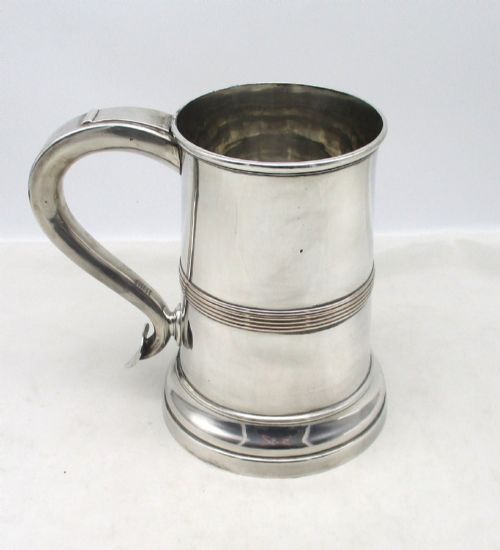
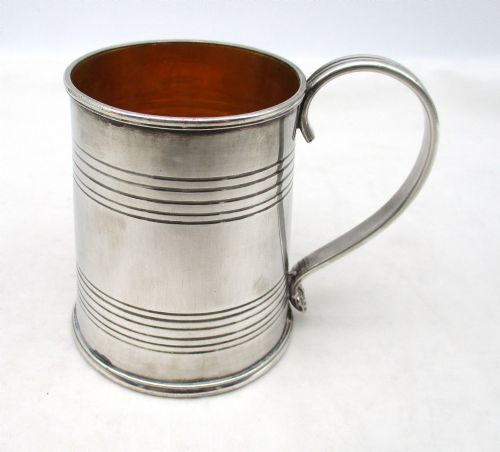
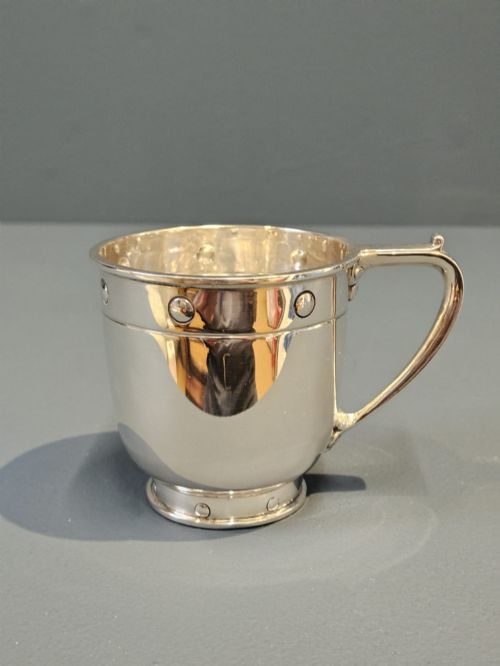
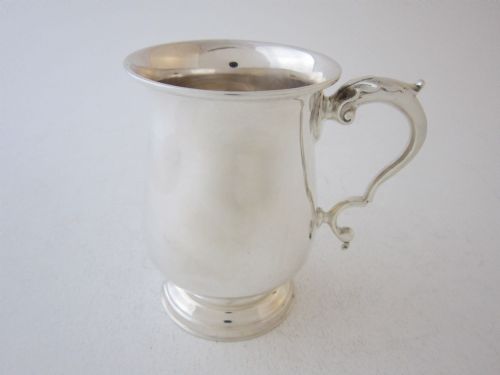
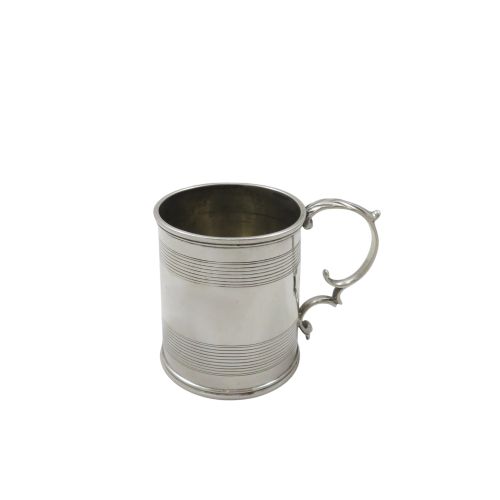
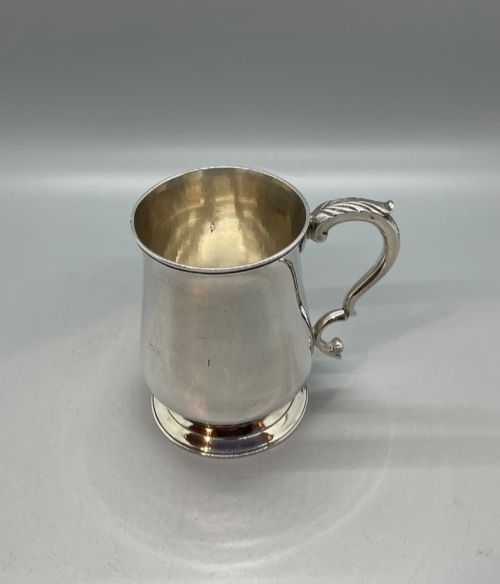
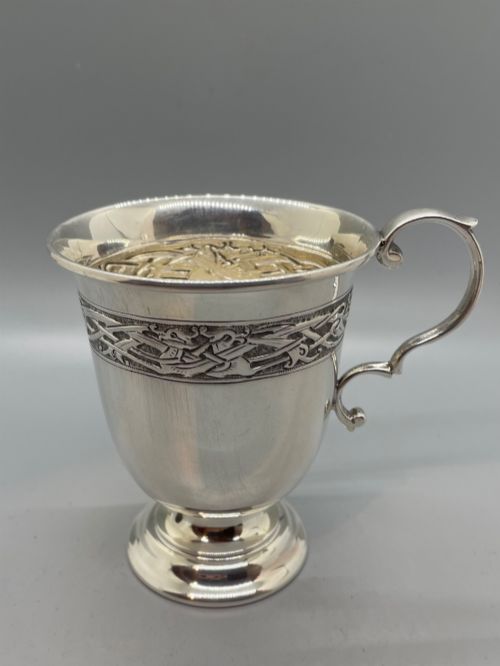
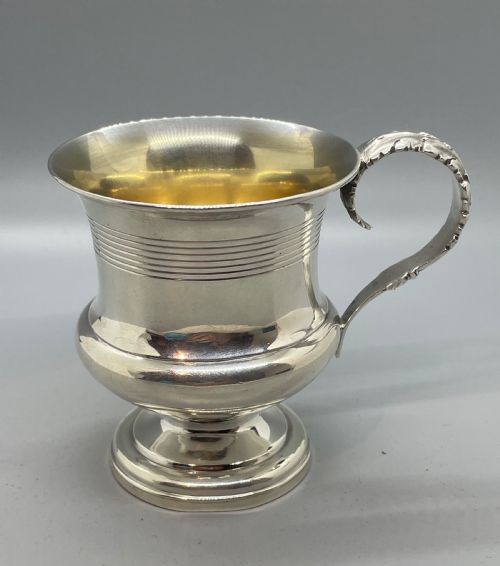
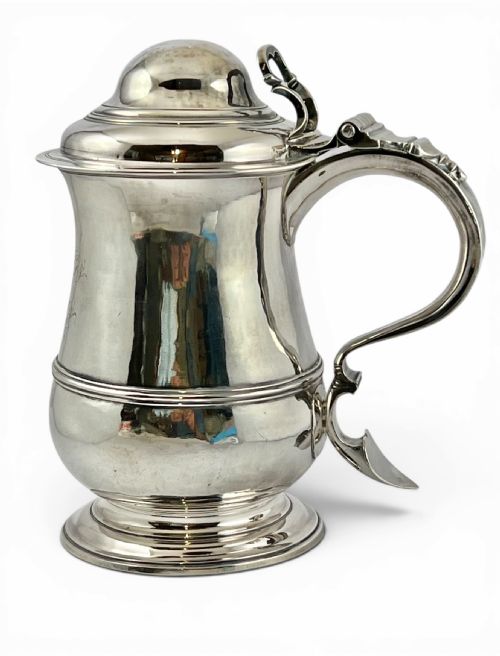
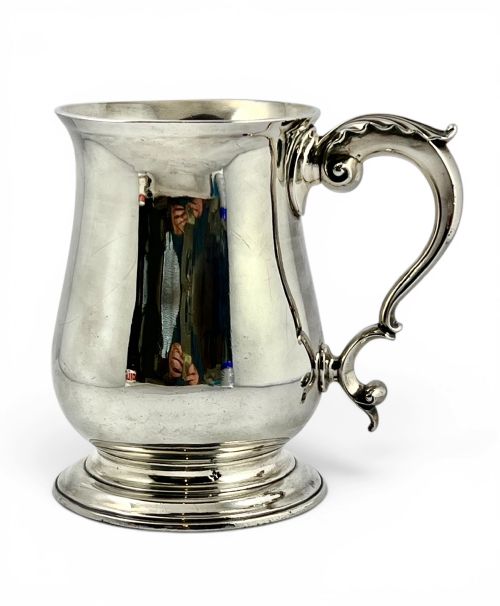
A georgian silver tankard encompasses sturdy drinking vessels, lidded jugs, pint mugs, and smaller christening pieces designed for daily use or commemoration. You will frequently encounter substantial solid silver examples alongside fused copper and silver alternatives from the eighteenth and nineteenth centuries.
The form ranges from plain baluster shapes to elaborate vessels featuring embossed hunting scenes and scroll handles. Most items originate from English assay offices in London, Newcastle, and Birmingham, reflecting the robust drinking culture of the period.
Materials and construction methods
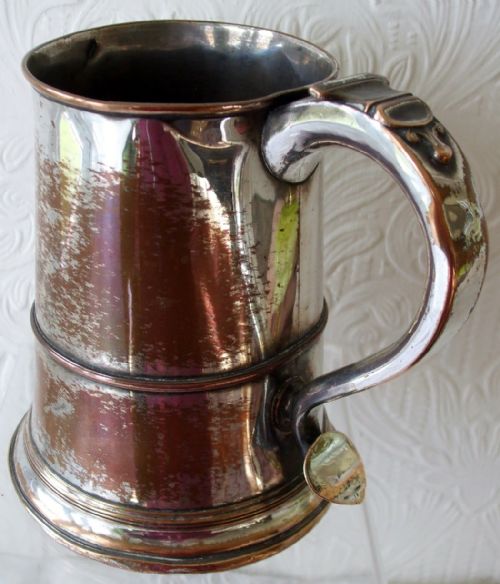
Silversmiths shaped sterling silver, Britannia standard silver, and silver-gilt through hammering, raising, and soldering. Many vessels utilise Old Sheffield Plate, fusing a thin layer of silver over a heavier copper core.
Handles and decorative mounts were often cast separately and soldered onto the body. Engraving, repoussé work, and reeded bands added surface detail to both solid metal and plated items.
Georgian Silver Tankard Retail Price Guide 2026
Typical asking prices for georgian silver tankard among the pieces listed under this phrase on Sellingantiques today, from the lower quarter to the upper quarter. They describe what is for sale here now, not the wider market.
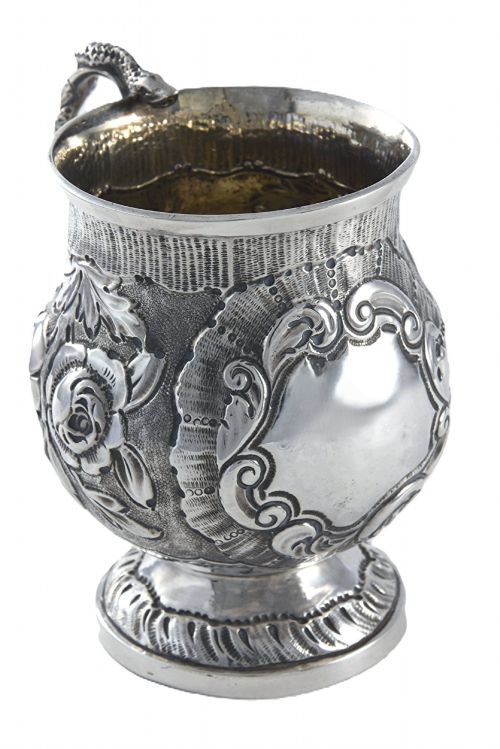
Some resilient hounds and hunting dogs stare out eternally from embossed silver tankard walls, guarding empty ale measures.
Distinguishing quality in surviving vessels
Quality rests on the crispness of the chasing, the structural integrity of the handle attachment, and the weight of the metal. Thicker gauge silver retains its shape and detail through centuries of handling and polishing.
The survival of original hallmarks and matching lids elevates a piece. Plated items show quality through the minimal telegraphing of the underlying copper base through the silver layer.
Barker Bros·John Payne·William Grundy·Richard Morton·William Bateman·William Tuite·Robert·Charles Price·Frederick Brasted·Gabriel Sleath·Edward Pocock·Shaw and Priest·John Langlands I·George Smith II·Jasper Kelly
The Georgian Silver Tankard Glossary
- Baluster
- A vase-like architectural form with a rounded body tapering to a narrower stem and flared base. This curved silhouette appears frequently on eighteenth-century drinking vessels.
- Old Sheffield Plate
- An early fusing technique where a sheet of silver is melted onto a thicker copper ingot before rolling. This composite material predates electroplating.
- Britannia Standard
- A higher purity standard of silver introduced by English legislation in the early eighteenth century. It contains more pure silver per thousand parts than standard sterling.
- Repoussé
- A metalworking technique where the artisan hammers the design from the reverse side to create raised relief on the exterior. This method produced the detailed scenes seen on many mugs.
- Silver-Gilt
- Solid silver that has been coated with a thin layer of gold on the interior or exterior surface. This treatment protected the metal from acidic contents and provided a decorative finish.
Georgian Silver Tankard: Frequently Asked Questions
What is a christening mug?
A christening mug is a smaller drinking vessel often gifted to mark the birth or baptism of a child during the eighteenth and nineteenth centuries. These pieces were made to be kept as lifelong keepsakes.
Many examples feature engraved names, dates, or decorative motifs like serpents and dogs alongside standard maker marks.
How do I clean old silver?
Old silver requires gentle maintenance with specialised non-abrasive silver cloth or mild soap and warm water. Avoid harsh dips that strip the natural patina accumulated over centuries.
Proper storage away from direct sunlight and damp environments helps preserve the surface finish of both solid and plated vessels.
Were these tankards used for beer?
Yes, many of these vessels served as heavy-duty drinking containers for ale, beer, and punch in homes and taverns. The solid metal construction kept beverages cool.
Sizes ranged from small half-pint portions up to large quart capacities designed for shared drinking.
What does Old Sheffield Plate mean?
Old Sheffield Plate describes an ingenious method of fusing silver and copper together through heat and pressure. This technique created durable items with the appearance of solid silver.
You can often spot a thin line of copper showing at the exposed edges or seams of genuine pieces.