




Antique Metal Tankard
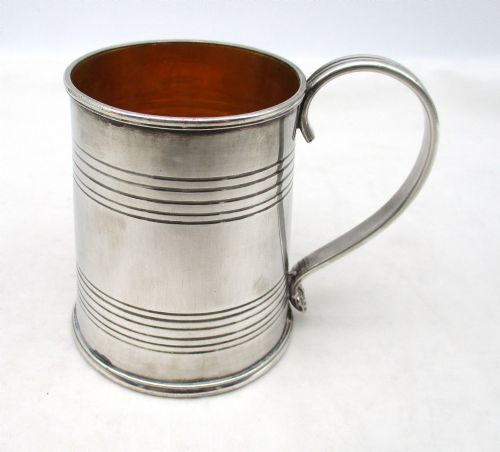
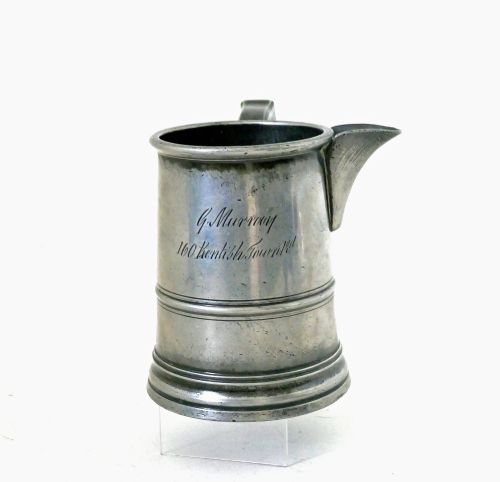
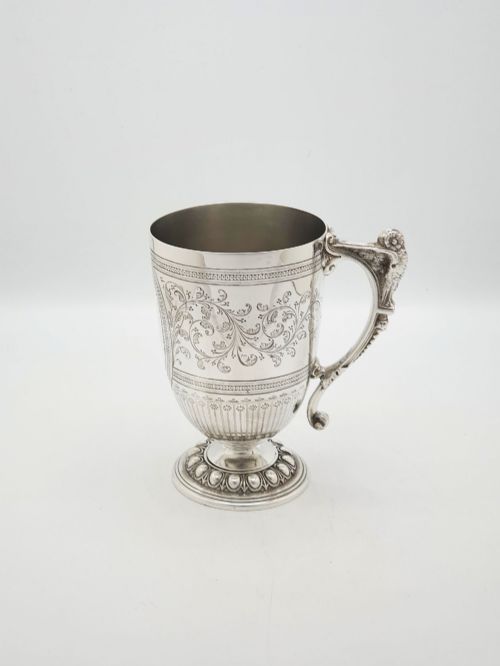
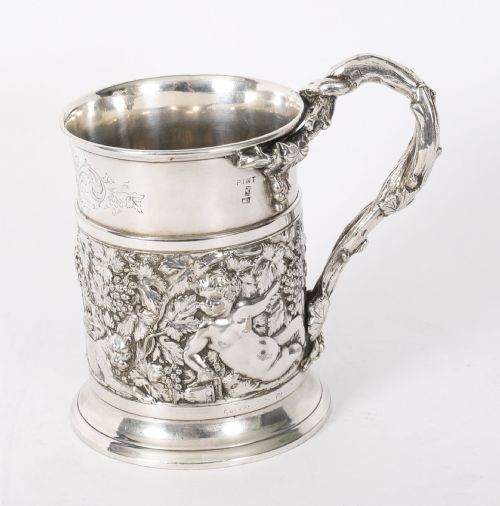
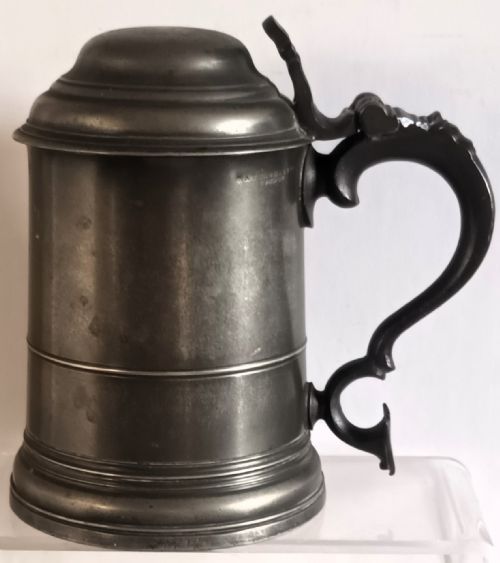
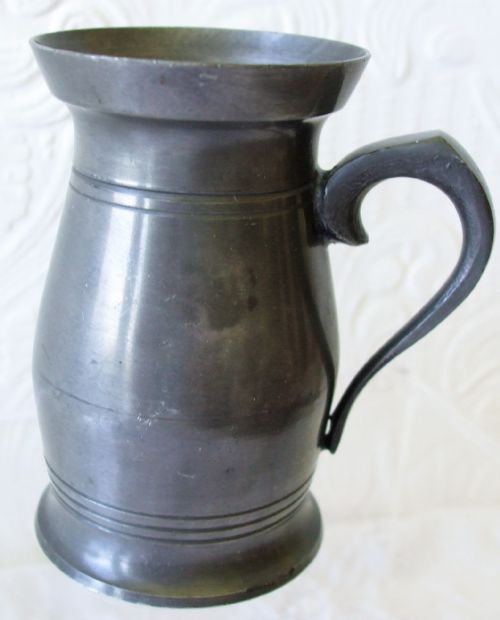
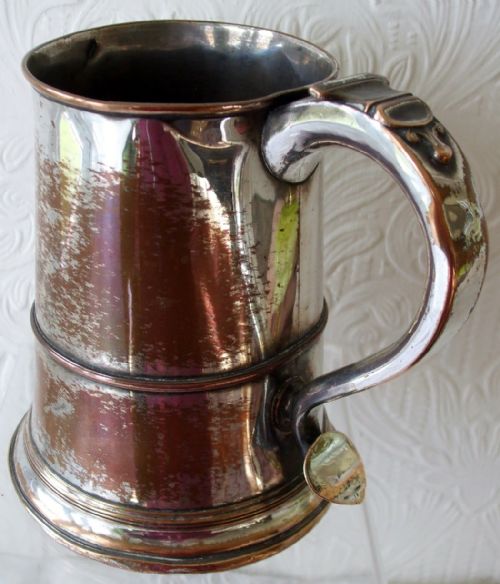
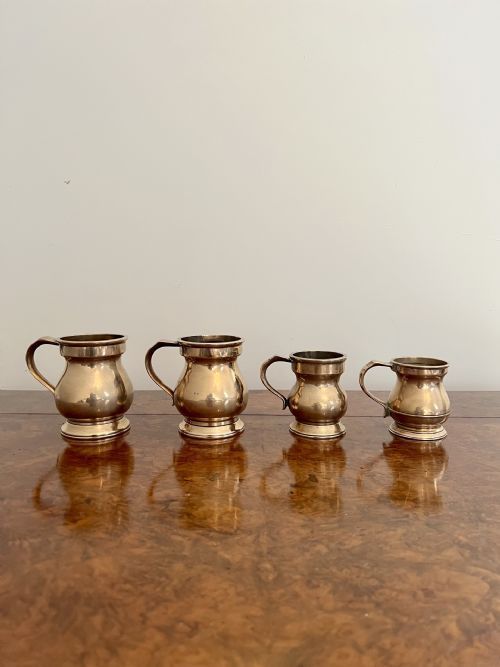
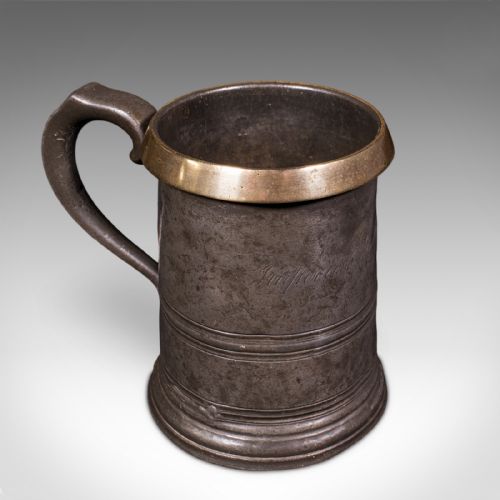
These antique metal tankard examples offer tactile drinking vessels in pewter, copper, and Sheffield plate that bring historical utility straight to the table.
Identifying your antique metal tankard
When searching for an antique metal tankard, collectors encounter sturdy drinking vessels shaped from materials such as pewter, copper, and Sheffield plate. These pieces span the Georgian, Regency, and Victorian periods, reflecting shifting domestic habits and tavern customs across the eighteenth and nineteenth centuries.
The most common formats met on this page include quart concave mugs, lidded vessels, and standard pint measures. English workshops produced many of these items, utilising durable alloys and plated metals designed for daily service.
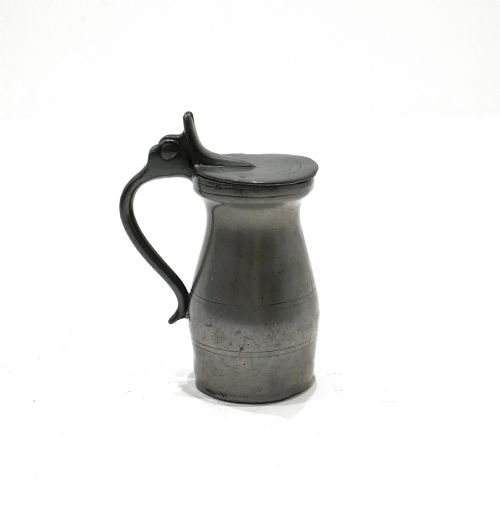
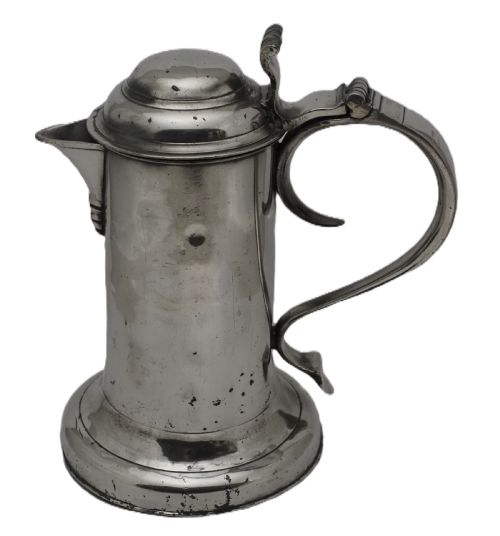
Earlier archive examples extend into the late eighteenth century with lidded pewter tankards, while nineteenth-century pieces frequently showcase capacity markings and maker stamps. Each form provides a tangible connection to historical drinkware traditions.
Materials and construction
Craftsmen formed these vessels through casting, hammering, and soldering techniques, attaching handles securely to cylindrical or concave bodies. Lidded variants required precise hinge work to ensure the thumbpiece and cover operated smoothly.
Retail Price Guide 2026
Typical UK retail prices for metal tankard, calculated from the Sellingantiques database of over a million retail prices indexed since 2003. This retail price guide relies exclusively on Sellingantiques data; no external sources or auction records are used, so the figures do not describe the wider market.
The listings span the nineteenth century and the year 1800, featuring pewter, copper, wood, Sheffield plate, and silver.
Assessing quality and character
Quality rests in the crispness of maker touchmarks, the balance of the handle, and the integrity of the metal walls. Finer pieces maintain their intended geometry without excessive distortion from heavy use.
The presence of legible touchmarks from established makers elevates a piece, whereas worn surfaces and crude repairs diminish the historical value. Sheffield plate items reveal quality in how evenly the silver layer adheres to the base metal over time.
Watts and Harton·Thomas Phillips I of London
The Antique Metal Tankard Glossary
- Pewter
- A malleable metal alloy consisting primarily of tin mixed with copper, antimony, or lead. This material formed the backbone of British domestic tableware and drinking vessels for centuries.
- Sheffield Plate
- An early fusing technique where a sheet of silver is melted onto a thicker copper base. It creates durable plated items that predate modern electroplating methods.
- Touchmark
- An official stamp pressed into pewter by a maker or guild member. These marks verify the purity of the metal and identify the workshop.
- Quart
- A traditional liquid capacity measure equivalent to two pints. Quart mugs appear frequently among nineteenth-century tavern and domestic drinking vessels.
Frequently Asked Questions
What is an antique metal tankard made of?
These drinking vessels appear primarily in pewter, copper, and Sheffield plate.
Pewter provides the most common medium, while Sheffield plate offers a dual-metal construction combining silver and copper.
How do I identify the period of a tankard?
Makers' touchmarks, capacity stamps, and stylistic profiles help determine the era.
Nineteenth-century pieces often display concave walls and standard measurements, whereas eighteenth-century examples lean toward lidded forms.
Were these tankards used in taverns?
Many of these vessels served daily functions in British pubs and homes.
Pint and quart capacity measures indicate they were built for serving ale and other beverages.
How should I clean my pewter tankard?
Pewter requires gentle washing with mild soap and warm water followed by careful drying.
Avoid harsh modern abrasives that strip away the aged patina accumulated over the centuries.