


Silver Plated Beer Mug
These silver plated beer mug pieces offer substance and history for the table, bringing period character to everyday drinks.
Understanding silver plated beer mug pieces
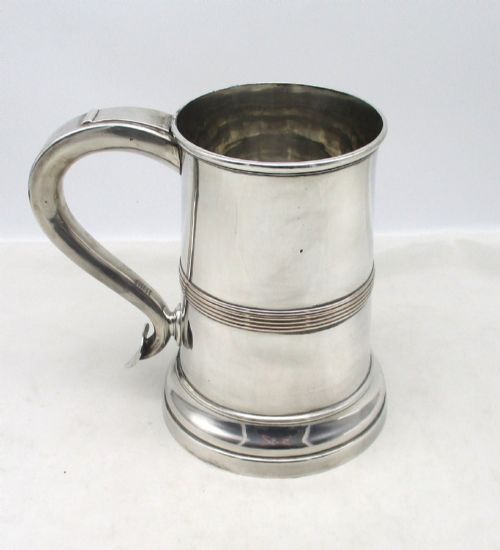
A silver plated beer mug brings centuries of drinking history to the table, spanning Georgian, Victorian, Edwardian, and mid-century periods. These drinking vessels take the form of tankards and mugs, offering substantial capacity for beer and ale.
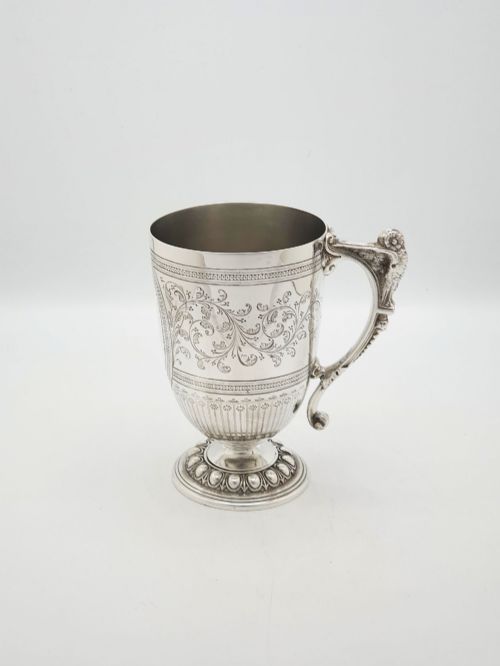
Georgian and Old Sheffield plate examples sit alongside ornate Victorian embossed pieces and novelty mid-century designs. Buyers encounter everything from plain quart tankards to decorative vessels with figural handles like owls.
Materials and construction
Makers utilised copper, base metal, nickel silver, and white metal as foundations for electroplated nickel silver and Old Sheffield plate. These underlying metals provided the sturdy structure necessary for heavy daily use.
Artisans applied silver to copper using early fusion methods or later electroplating techniques, then finished the vessels with hand embossing and engraving.
Retail Price Guide 2026
Typical UK retail prices for silver plated beer mug, calculated from the Sellingantiques database of over a million retail prices indexed since 2003. This retail price guide relies exclusively on Sellingantiques data; no external sources or auction records are used, so the figures do not describe the wider market.
Materials found across the collection include copper, nickel silver, and traditional Old Sheffield Plate.
Markers of distinction
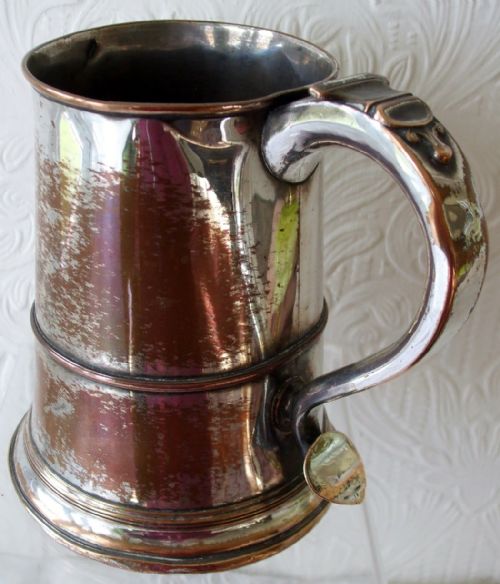
Quality rests in the crispness of the hand engraving and the weight of the underlying metal, distinguishing simple vessels from heavily worked pieces. Earlier Old Sheffield plate displays distinct characteristics where the copper edges show subtly beneath the silver layer.
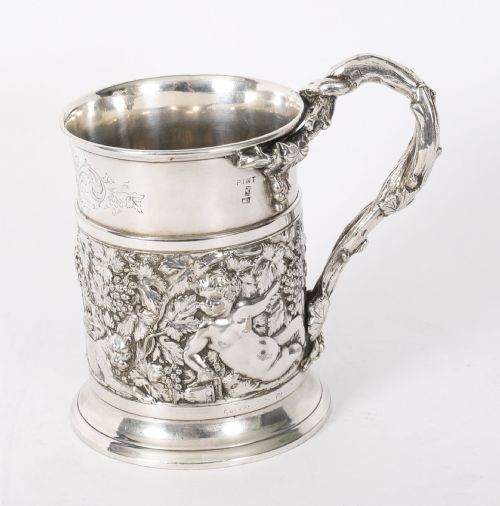
The sophistication of decorative elements, such as figural animal handles or deeply chased Victorian floral motifs, separates standard production items from finer workshop output.
G R Collis
The Silver Plated Beer Mug Glossary
- Old Sheffield Plate
- An early method of fusing a thin sheet of silver to a thicker copper ingot before rolling them into sheets. This technique predates modern electroplating.
- Electroplated Nickel Silver
- A base metal alloy of copper, nickel, and zinc coated with a layer of pure silver using an electrical current. It became widely used from the mid-nineteenth century onwards.
- Tankard
- A tall, cylindrical drinking vessel with a single handle, traditionally used for beer and ale. Many examples include hinged lids or decorative thumbpieces.
- Chasing
- A metalsmithing technique where the artisan pushes metal from the front using hammers and punches to create raised decorative patterns without removing material.
Frequently Asked Questions
How do I clean a silver plated beer mug?
Wash the vessel gently in warm, soapy water using a soft cloth, then dry it thoroughly with a lint-free towel. Avoid harsh abrasives or chemical dips that can damage the underlying plating.
Regular gentle dusting maintains the natural lustre without wearing down the silver layer on older pieces.
Can I drink beer from these antique mugs?
Many collectors use these sturdy vessels for drinks today, provided the interior plating remains intact and clean. Checking the condition of the inner surface ensures it remains suitable for beverages.
Hand washing is essential after use to protect both the metal and any historic engravings.
What is the difference between Old Sheffield Plate and silver plate?
Old Sheffield Plate involves physically fusing a layer of silver to copper through heat and rolling before fabrication. This creates a distinct material structure compared to later chemical electroplating.
Examining the rims often reveals the subtle copper undertone characteristic of this earlier fusing process.
How do I date a Victorian silver plated mug?
Victorian pieces often feature heavy floral embossing, cartouches, and intricate hand engraving that reflect mid-nineteenth-century decorative tastes. Maker marks and stamps stamped into the base also help narrow down the production decade.
Comparing the decorative motifs with documented design styles from the era provides a reliable guide to age.