


Antique Metal Drinkware
Antique metal drinkware comprises historic vessels for ale, beer and spirits, offering tangible utility and period character for the modern table.
Antique Metal Drinkware
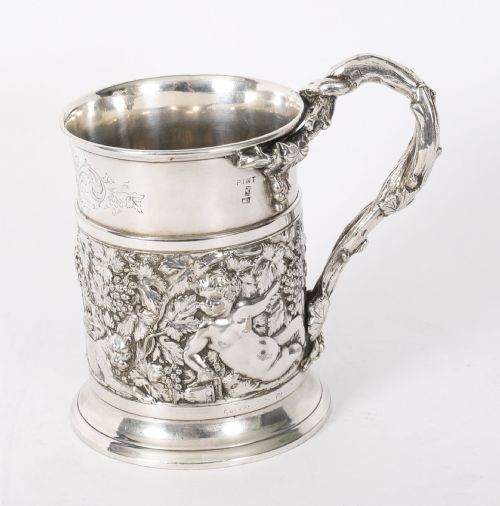
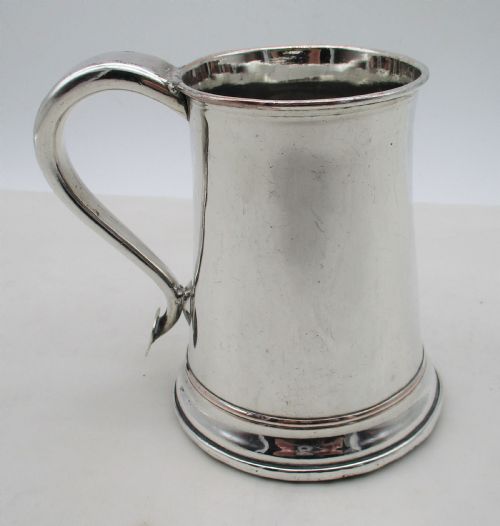
Buyers frequently encounter Old Sheffield plate tankards and heavy pewter mugs originating from British workshops. Pieces range from modest pint measures to giant German beer flagons adorned with hop decorations.
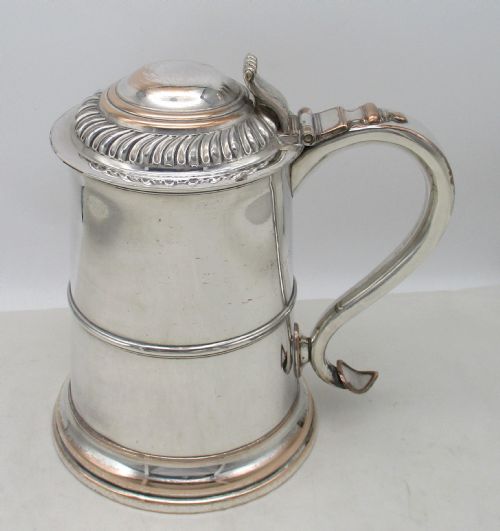
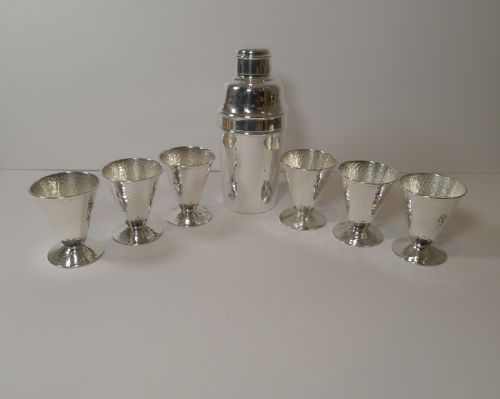
Stylistic variation runs from Queen Anne revival lidded forms to flowing Art Nouveau motifs and geometric Art Deco barware. Each vessel reflects the drinking customs and metalworking standards of its specific period.
Materials and construction methods
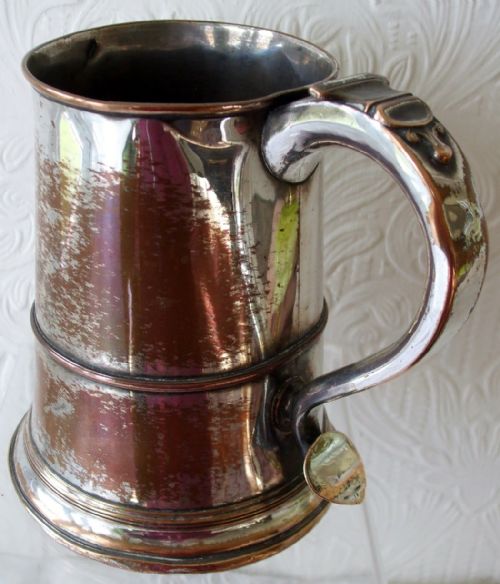
Old Sheffield plate and silver plate utilise thin sheets of precious metal fused or electroplated over a base metal core such as copper. Pewter relies on an alloy of tin combined with lead or copper to achieve a durable yet workable vessel.
Silversmiths and pewterers shaped these metals through hammering, spinning and soldering, often applying intricate embossed or engraved surface decoration. Handles are typically cast separately and securely joined to the body of the tankard or mug.
Antique Metal Drinkware Retail Price Guide 2026
Typical asking prices for metal drinkware among the pieces listed under this phrase on Sellingantiques today, from the lower quarter to the upper quarter. They describe what is for sale here now, not the wider market.
Giant German flagons arrive ready to serve immense quantities of beer beneath heavy decorations of embossed hops.
Factors that define quality
Quality rests upon the crispness of chased or embossed ornamentation and the structural integrity of soldered joints and handles. Heavy gauge metals provide a reassuring weight and resistance to denting that lighter vessels lack.
Maker marks and clear touchmarks contribute significantly to a piece's standing by confirming its origin and standard of manufacture. Preservation of original plating and minimal surface wear distinguish superior examples from heavily restored items.
G R Collis·Richard Morton·Watts and Harton·St Medard Paris
The Antique Metal Drinkware Glossary
- Old Sheffield Plate
- A composite material formed by fusing a thin layer of silver to a copper ingot, developed in the eighteenth century.
- Pewter
- A malleable metal alloy primarily composed of tin, historically used for tavern measures, tankards and domestic tableware.
- Flagon
- A large vessel with a handle and often a lid, used for holding and pouring alcoholic beverages such as beer or ale.
- Touchmark
- An official stamp or signature impressed by a metalworker or pewterer onto their finished wares to certify quality and maker.
- Quart measure
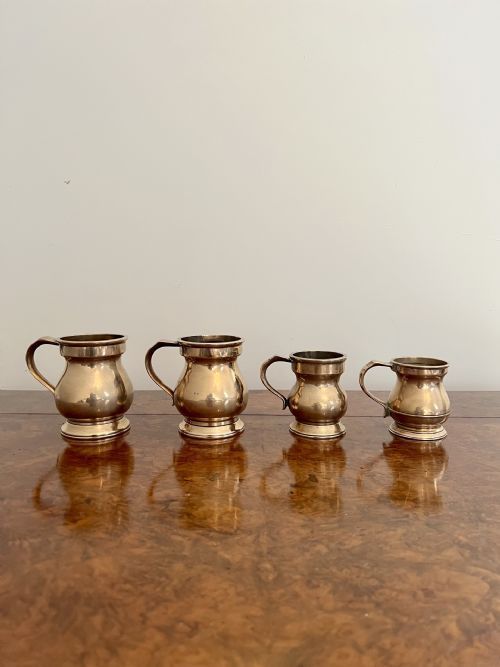
- A standardised cylindrical drinking vessel holding two pints, frequently employed in British public houses for dispensing ale.
Antique Metal Drinkware: Frequently Asked Questions
How do I clean antique metal drinkware?
Wash pewter and silver-plated items gently using mild soapy water and a soft cloth to protect the historic surface.
Avoid abrasive polishes that remove thin plating or wear away crisp maker touchmarks over time.
Can I still drink from these vessels?
Many pewter and silver-plated vessels remain physically capable of holding liquids for modern use.
Verify that older solder joints are intact and consider the metal composition before consuming beverages from antique drinkware.
What is Old Sheffield plate?
Old Sheffield plate is an early fusion material created by melting silver onto a copper base.
This technique produces durable items that display subtle hints of copper showing through worn silver highlights.
How do I date a metal tankard?
Examine the vessel's overall form, handle shape, and decorative style alongside any visible maker stamps.
Georgian tankards often feature clean classical lines, whereas Victorian examples tend towards heavier embossing and engraving.