



Silver Plated Tankard
A silver plated tankard brings heavy metal drinking vessels from the eighteenth and nineteenth centuries into domestic use with domestic practicality.
Silver Plated Tankard
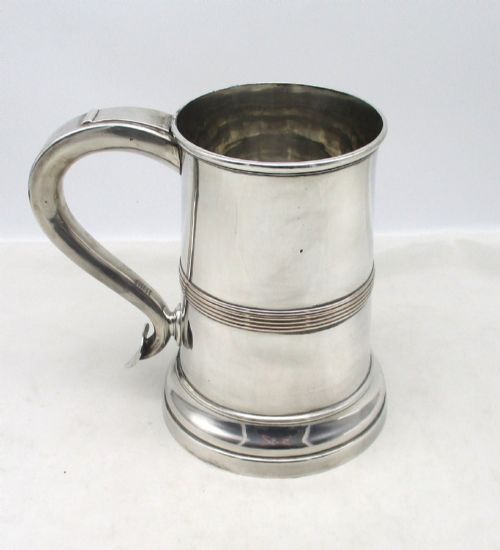
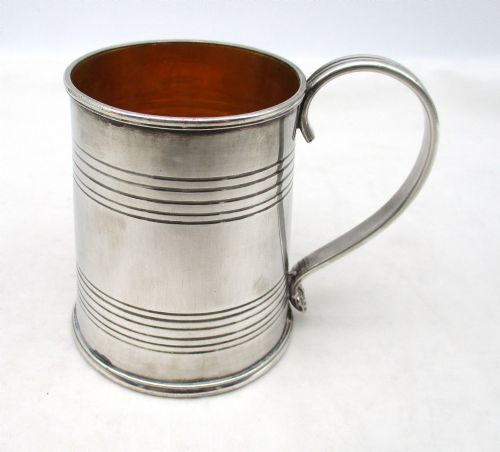
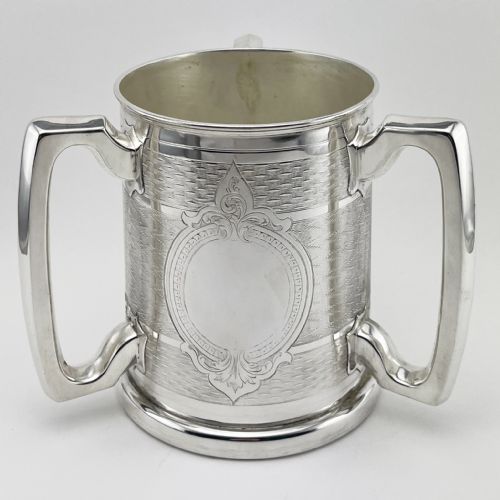
A silver plated tankard represents a category of drinking vessels spanning the Georgian, Victorian, and Edwardian periods, appearing in quart, pint, and smaller child sizes. These pieces served ale, beer, cider, and sometimes wine at the table or in taverns, taking forms that range from straightforward cylindrical drinking vessels to lidded jugs and loving cups.
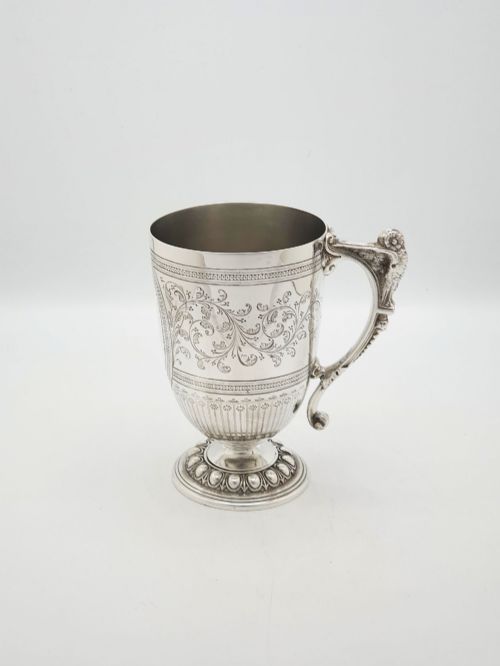
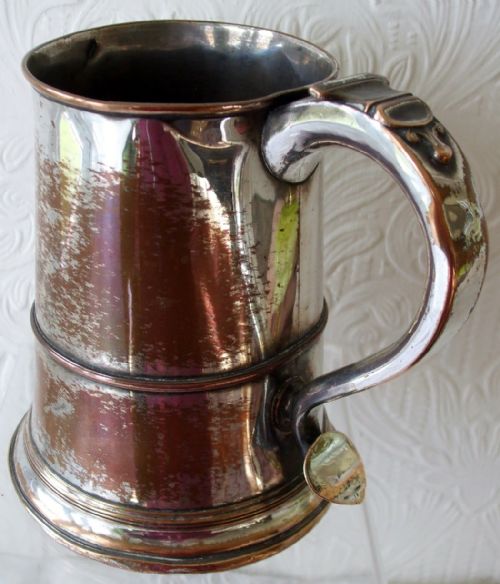
The version most commonly met on this page is the Old Sheffield Plate tankard from the eighteenth and nineteenth centuries, often featuring a sturdy handle and sometimes fitted with a lid or a glass bottom. Alongside these, buyers find Victorian examples and Queen Anne revival pieces produced in silver plate and electroplated nickel silver, occasionally incorporating oak staves or glass bodies with silver mounts.
Manufacturing and materials
Old Sheffield Plate was produced by fusing a layer of silver to a copper ingot before rolling them together into sheets, creating a durable material where the base metal shows subtly at edges and wear points over centuries. Later Victorian manufacturing shifted towards electroplating, depositing a silver coating electrically onto a nickel silver or base metal foundation, or employing electroforming to build heavy ornate walls.
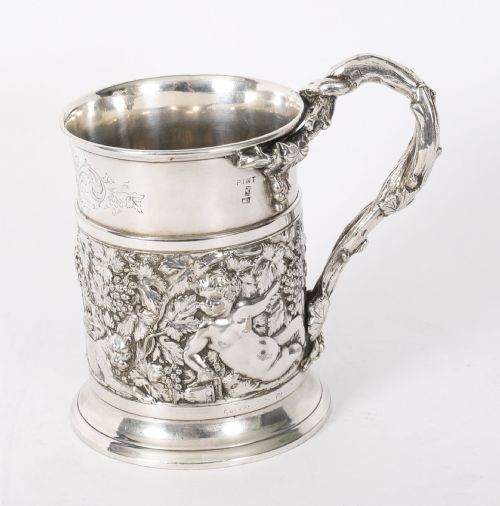
Makers integrated various secondary materials alongside metal, mounting silver rims and lids onto glass vessels or constructing wooden bodies from oak staves bound with metal hoops. Handles were cast separately and soldered or riveted to the main body, while decoration relied on hand engraving, embossing, and applied cast details such as owl motifs.
Silver Plated Tankard Retail Price Guide 2026
Typical asking prices for silver plated tankard among the pieces listed under this phrase on Sellingantiques today, from the lower quarter to the upper quarter. They describe what is for sale here now, not the wider market.
Listings feature items spanning the eighteenth, nineteenth, and twentieth centuries, incorporating materials such as copper, silver plate, oak, and glass.
Evaluating quality and craftsmanship
Quality in these vessels rests on the integrity of the original construction and the weight of the metal used in the body and handle. Heavier gauge metal resists denting and maintains structural balance, while finer examples display crispness in cast handle terminals and precise assembly at the seams.
The execution of decorative work separates standard production from superior pieces, with hand engraving and chased embossing showing depth and control rather than shallow machine stamping. Surviving silver surfaces demonstrate varying degrees of original plating retention, where the remaining silver layer reflects the history of handling and cleaning.
G R Collis·Richard Morton·Thomas Bradbury & Sons·Pinder Brothers·Keith Murray·Elkington·Mappin & Webb
The Silver Plated Tankard Glossary
- Old Sheffield Plate
- A fused composite material made by melting a silver sheet onto a copper base before rolling, used extensively before the invention of electroplating.
- Electroplated Nickel Silver
- A base alloy of copper, nickel, and zinc coated with a layer of pure silver using an electrical current, becoming common during the Victorian era.
- Loving Cup
- A large drinking vessel typically fitted with two or more handles, designed to be passed between guests at banquets and celebrations.
- Peg Tankard
- A drinking vessel featuring internal pegs or pins set at intervals down the vertical side to measure alcohol consumption during drinking games.
- Quart Tankard
- A large capacity drinking vessel holding approximately two imperial pints of liquid.
Silver Plated Tankard: Frequently Asked Questions
What is Old Sheffield Plate?
Old Sheffield Plate is a material formed by fusing silver to a copper core through heat and pressure before rolling it into workable sheets. This technique predates modern electroplating and produces pieces with distinct physical properties.
Items made this way show characteristic edges where the underlying copper peeks through silver layers after generations of polishing and use.
How were tankards used?
These vessels functioned primarily for serving and drinking ale, beer, and cider in domestic households, inns, and taverns. Larger quart sizes and loving cups passed among company during gatherings and feasts.
Smaller variants, including pint measures and child's tankards, served individual portions or marked family milestones and shooting competitions.
How do I date a tankard?
Dating relies on stylistic clues, manufacturing techniques, and any maker marks or touchmarks stamped into the metal. Old Sheffield Plate construction points toward the eighteenth and early nineteenth centuries.
Victorian and Edwardian pieces often display heavier cast decoration, stylistic revivals like Queen Anne forms, or electroplate manufacturing signatures associated with specific silversmith firms.
Are these items safe for drinks?
Many antique drinking vessels remain structurally sound and capable of holding cold liquids for display or occasional use. The intact silver plating provides a stable surface for beverages.
Buyers intending regular use should consider the condition of the interior lining and historical repairs to joints or handles before filling them.