


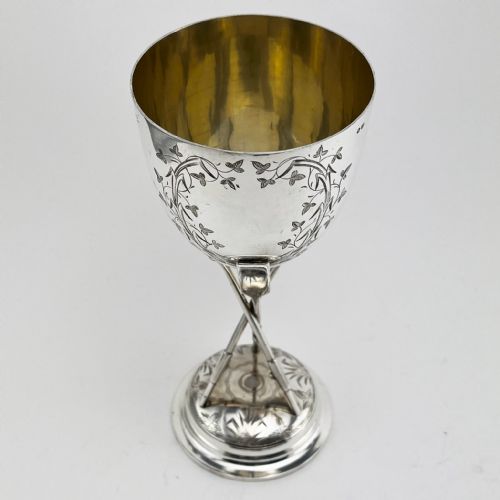
Antique Silver Trophy
An antique silver trophy carries the weight of past victories, offering substantial metalwork and engraved history for any collector.
Antique Silver Trophy
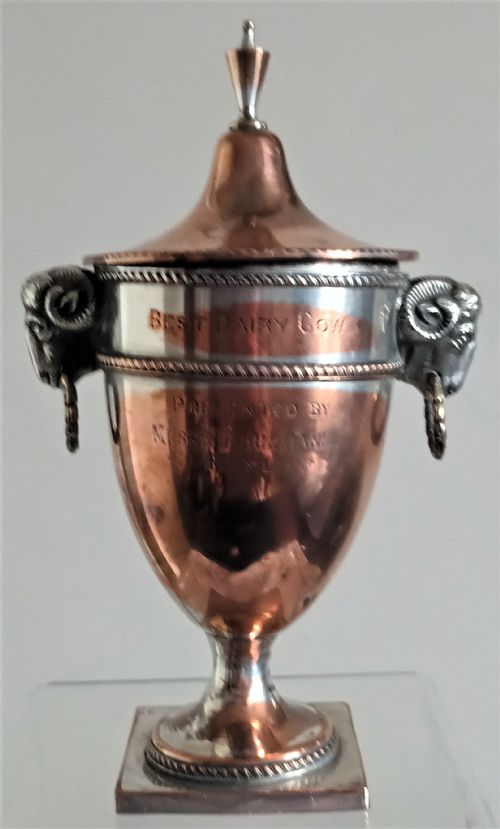
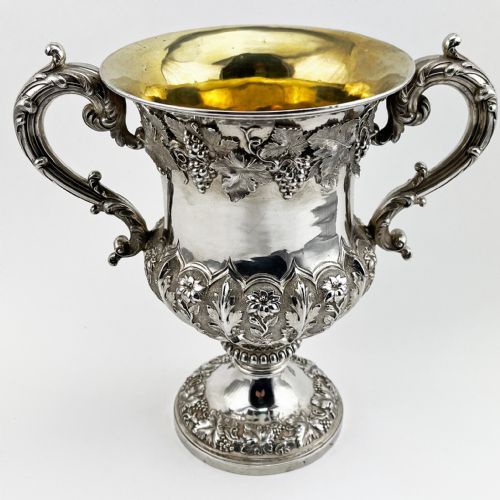
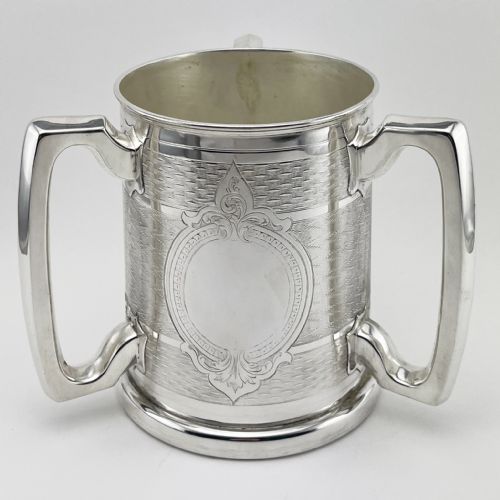
When you search for an antique silver trophy, you encounter a diverse array of commemorative vessels spanning from the eighteenth century through to the art deco period. These pieces originate primarily from British workshops, alongside notable examples from Chinese export makers and continental silversmiths.
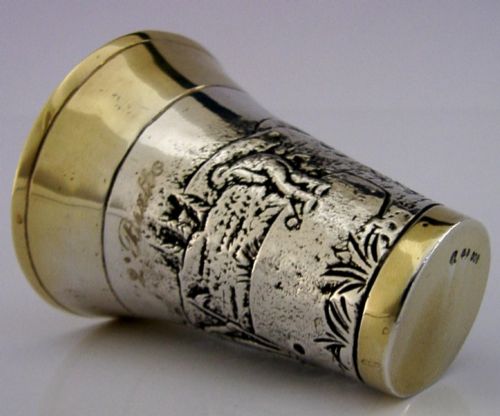
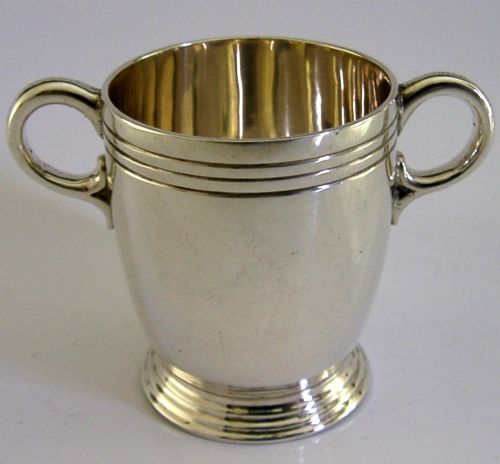
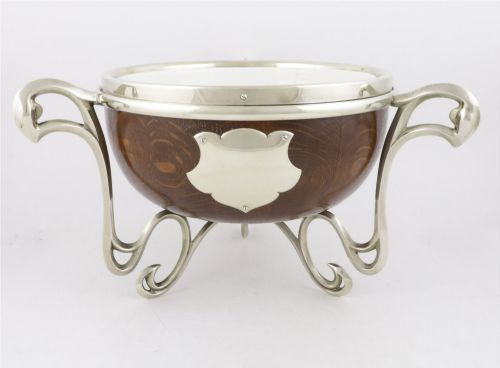
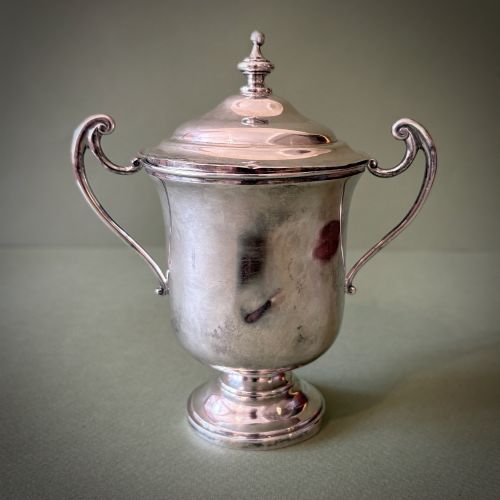
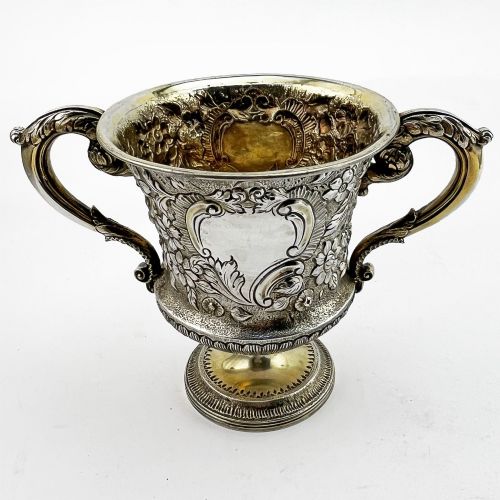
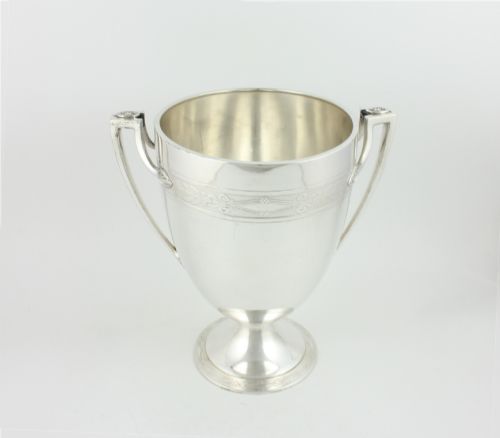
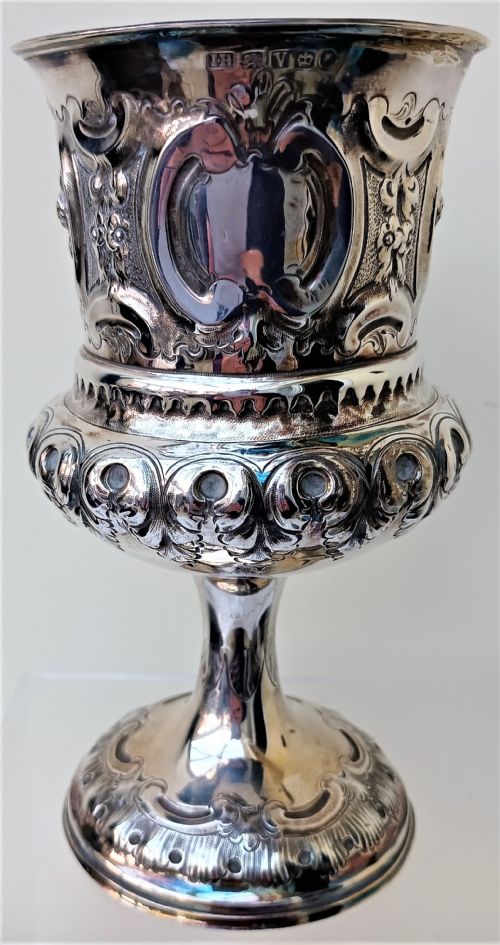
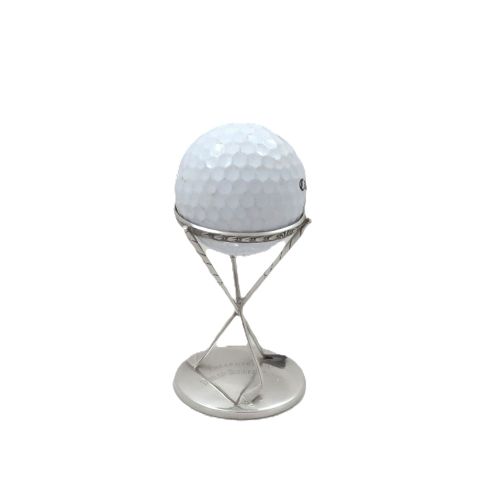
The selections range from heavily cast two-handled presentation cups and chalices to slender goblets, loving cups, and mounted fruit bowls. Most examples encountered on this page date from the Victorian, Edwardian, and George V eras, reflecting competitive pursuits from golf and rowing to cricket and horse racing.
Materials and construction methods
Silversmiths utilised sterling silver, silver plate, and old Sheffield plate, frequently combining the metal with oak, cherry wood, ebonised wood, or ceramic inserts. Many pieces incorporate parcel gilt interiors or applied decorative elements such as cast scroll handles, dragons, and grapevine motifs.
Manufacturing techniques relied on traditional hand-raising, spinning, and heavy casting for structural elements like bases and handles. Engraving and chasing were then applied by hand to record the specific sporting events, winning names, and dates associated with each competition.
Antique Silver Trophy Retail Price Guide 2026
Typical asking prices for silver trophy among the pieces listed under this phrase on Sellingantiques today, from the lower quarter to the upper quarter. They describe what is for sale here now, not the wider market.
Listings feature periods spanning from the eighteenth century through to the 1940s, executed in sterling silver, silver plate, copper, and oak.
Qualities that distinguish the range
The standard of an antique silver trophy depends heavily on the weight of the metal and the crispness of the hand-chased or engraved details. Heavier gauge sterling silver and substantial base mounts demonstrate superior craftsmanship compared to lighter plated alternatives.
Distinction also lies in the individuality of the design, such as bespoke cast animal handles or unusual figural forms, rather than standard mass-produced catalogue models. Preserved maker marks and clear regional hallmarks further elevate the standing of any piece.
Christofle·James Deakin & Sons·Henry Tatton & Son·Zee Wo·Martin Hall & Co·Mappin & Webb·William Hutton
The Antique Silver Trophy Glossary
- Hallmark
- Official marks stamped onto precious metal items to guarantee the purity, the maker, and the year of assay. These tiny stamps provide a reliable anchor for dating British silver.
- Loving cup
- A large drinking vessel featuring two or more handles, traditionally passed around among guests or team members at celebrations. They appear frequently in silver and old Sheffield plate.
- Campana cup
- A vase-shaped drinking vessel or trophy modelled after classical urns, featuring an inverted bell form on a pedestal foot. Georgian silversmiths frequently utilised this stately silhouette.
- Tyg
- A large drinking mug or cup furnished with three or more handles to allow communal passing. Edwardian and Victorian versions in silver often showcase deep repoussé decoration.
- Parcel gilt
- Silverwork that has been partially coated with a thin layer of gold on the interior or on specific decorative details. This technique highlights engraved inscriptions and protects the metal from acidic contents.
Antique Silver Trophy: Frequently Asked Questions
What sports are usually commemorated on these trophies?
The engravings record a wide variety of competitive disciplines, most commonly golf, cricket, rowing, tennis, football, and horse racing. Regatta sailing and curling also appear among the regional competitions.
Many pieces remain unengraved, suggesting they were manufactured as prizes held in stock ready for local clubs to personalise before presentation.
How do I distinguish sterling silver from silver plate?
Sterling silver items generally bear a series of official assay hallmarks indicating the standard of the metal, along with maker marks and date letters. Silver plate and old Sheffield plate lack these sterling standards and may instead show base metal underneath where friction has worn the plating away.
Weight can also offer a clue, as solid sterling pieces usually feel substantially heavier than plated vessels of similar dimensions.
How should I display a heavy trophy cup?
Larger presentation cups and bowls require a stable, level surface capable of supporting considerable weight, particularly if the piece is mounted on an oak or ebonised wood plinth. Positioning them away from direct sunlight protects any wooden components and prevents uneven tarnishing.
Pieces with applied handles or delicate figural elements should be lifted by the base rather than the extremities to avoid straining historical joints.
Why do some trophies feature wooden bases?
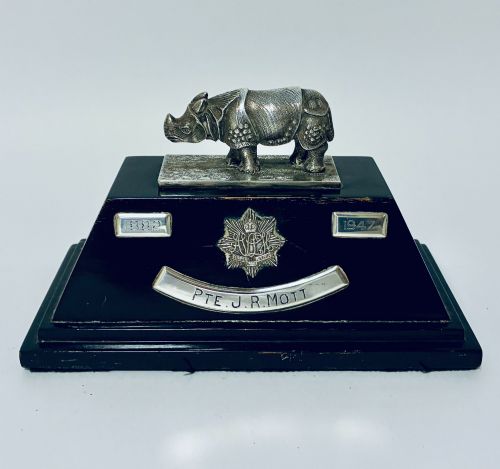
Wooden plinths and stands were frequently added to accommodate extra silver shields or plaques recording successive winners over many years. Oak and cherry wood provide a sturdy structural foundation that complements the polished metal surface.
These mounted designs often indicate a long history of active club use rather than a single presentation event.