



Sterling Silver Trophy
A sterling silver trophy carries the weight of past victories, formed as cups, goblets, and presentation pieces.
Understanding sterling silver trophy pieces
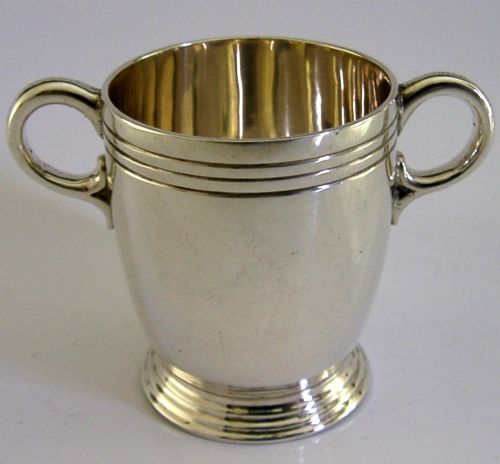
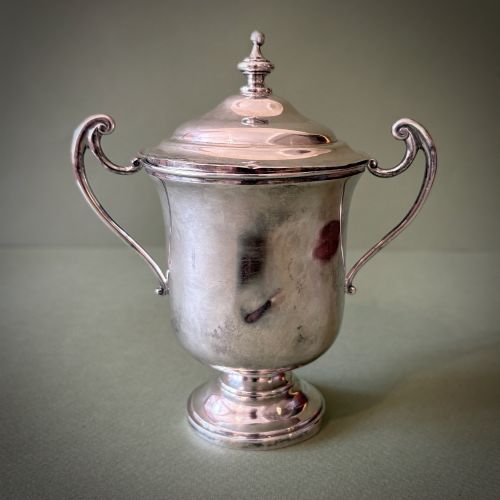
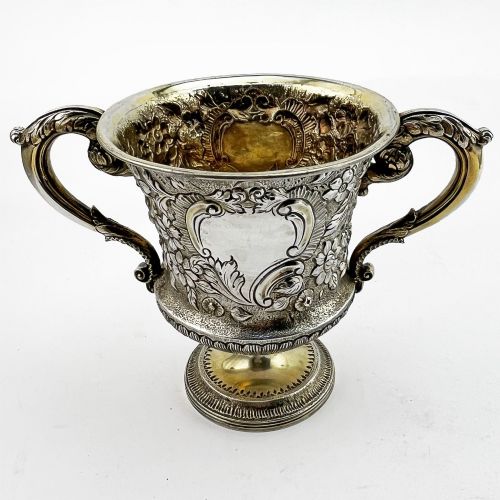
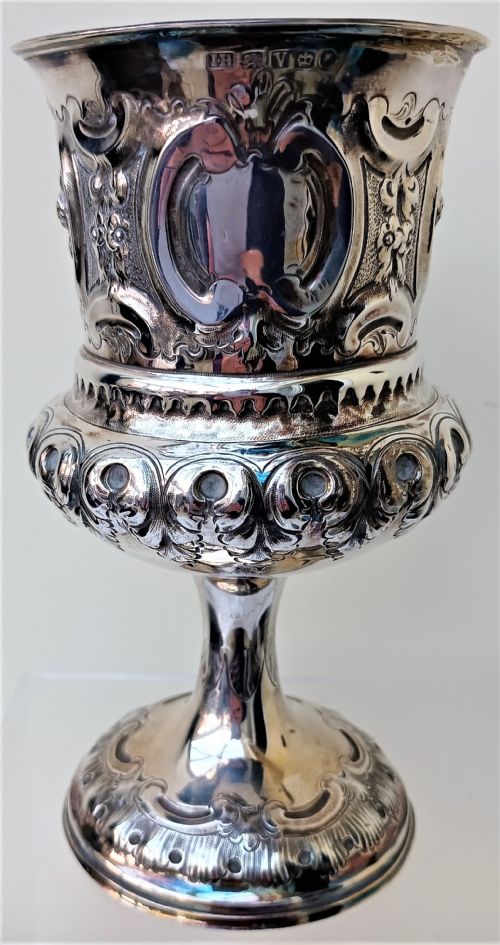
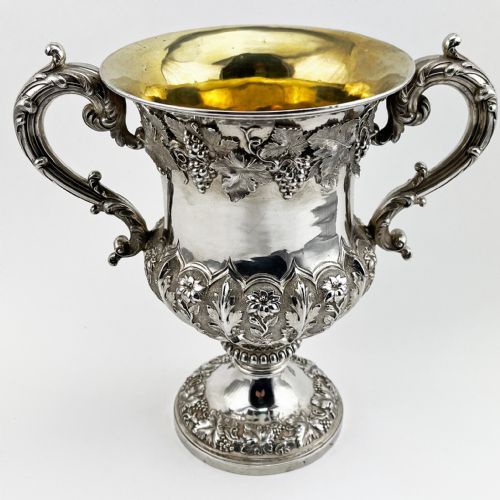
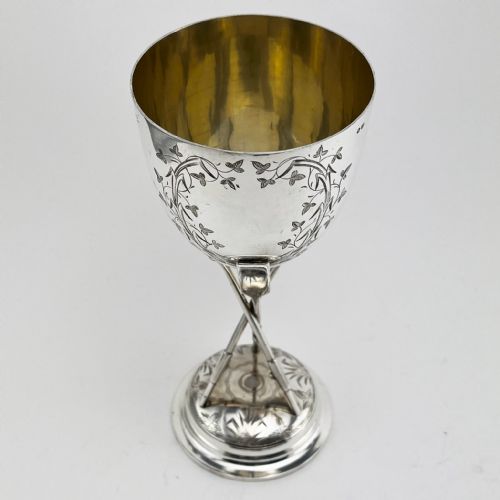
A sterling silver trophy takes many forms across the inventory, appearing most frequently as presentation cups, lidded vessels, goblets, and two-handled loving cups or tygs. These pieces emerge from periods spanning the Georgian, William IV, Victorian, Edwardian, and later twentieth-century eras, often bearing inscriptions recording sporting events, regattas, and agricultural societies.
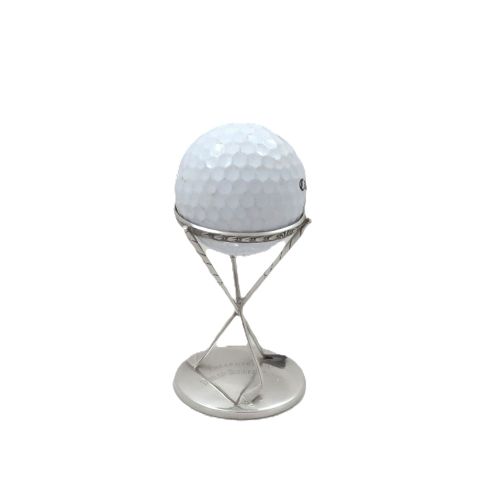
Buyers encounter substantial two-handled presentation cups alongside slender chalice-shaped goblets and specialised sporting awards for golf, tennis, boxing, football, and lawn bowls. The selection encompasses plain polished surfaces as well as heavily embossed designs, fern-engraved details, and figural ornaments such as dragons or stags.
Materials and construction methods
The objects combine sterling silver with occasional accents of vermeil, ebonised wood bases, and set gemstones, utilising traditional silversmithing techniques including raising, casting, embossing, and chasing. Metalsmiths construct larger presentation cups and lidded vessels in sections, soldering handles and bases to the main body.
Surface ornamentation relies on hand engraving, repoussé work, and applied cast elements, creating high-relief floral motifs, armorial bearings, and athletic figures that reflect the prevailing Neo-Renaissance, Art Nouveau, and Art Deco styles of their respective periods.
Retail Price Guide 2026
Typical UK retail prices for sterling silver trophy, calculated from the Sellingantiques database of over a million retail prices indexed since 2003. This retail price guide relies exclusively on Sellingantiques data; no external sources or auction records are used, so the figures do not describe the wider market.
The archive records sporting trophies dedicated to golf, tennis, football, boxing, lawn bowls, pigeon racing, and regattas.
Evaluating craftsmanship and execution
Quality rests in the gauge of the silver, the crispness of the hand-chased detail, and the structural integrity of applied handles and feet. Superior examples display substantial weight, balanced proportions, and cleanly executed engraving that integrates harmoniously with the form rather than crowding the surface.
The distinction between standard commercial production and finer work lies in the depth of relief casting, the refinement of figural elements such as dragon handles or animal finials, and the clarity of hallmarks struck by established makers.
WMF·William Hutton·Mappin & Webb
The Sterling Silver Trophy Glossary
- Sterling silver
- An alloy containing 92.5 percent silver by mass, with the remainder composed of copper or other metals to provide durability.
- Vermeil
- Sterling silver that has been heavily plated with gold, adding a warm, rich yellow lustre to the interior or exterior of a vessel.
- Tyg
- A large drinking vessel featuring multiple handles, often used as a communal cup or awarded as a trophy in sporting contexts.
- Repoussé
- A metalworking technique where the artisan hammers the silver from the reverse side to form a raised design in relief on the front.
Frequently Asked Questions
What are these trophies made of?
The items consist primarily of solid sterling silver, occasionally augmented with vermeil, ebonised wooden stands, and set gemstones.
Assay office marks and maker stamps confirm the metal standard across Georgian, Victorian, and later pieces.
How were these trophies used originally?
Organisers awarded these objects as prizes for athletic competitions, agricultural shows, shooting matches, and regional club regattas.
Many pieces bear detailed engraved inscriptions recording specific races, winners, and dates from the nineteenth and twentieth centuries.
How do I identify the period of a piece?
Hallmarks stamped directly onto the silver provide date letters, town marks, and maker symbols that reveal the exact year of manufacture.
Stylistic shifts, such as the transition from Victorian Neo-Renaissance ornament to Art Nouveau curves and Art Deco geometry, also indicate the era.
How should I clean sterling silver?
Maintenance requires gentle washing with warm soapy water and a soft cloth to remove dust without abrading the metal surface.
Harsh chemical dips should be avoided, particularly on pieces with delicate hand engraving, chased relief, or dark highlights in the recesses.