



Irish Sterling Silver
Irish sterling silver brings distinctive craftsmanship to the table, spanning centuries of intricate spoons, bowls, and decorative vessels.
Irish Sterling Silver
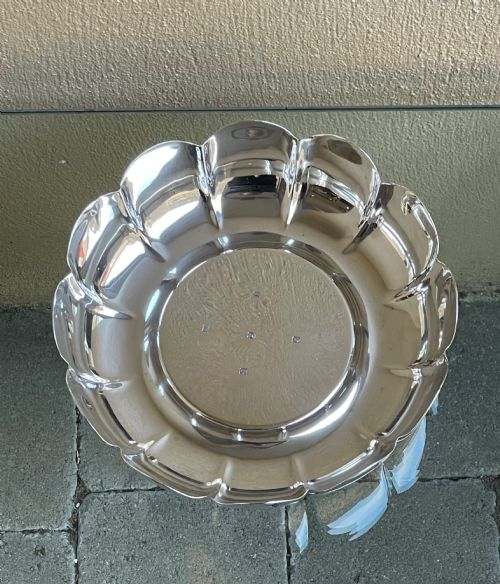
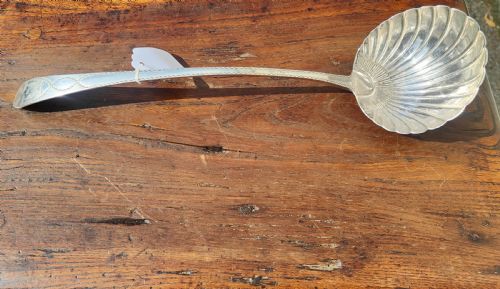
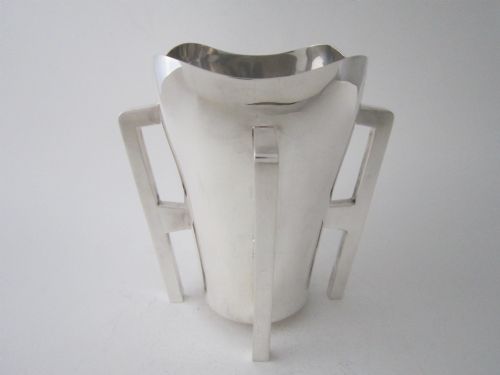
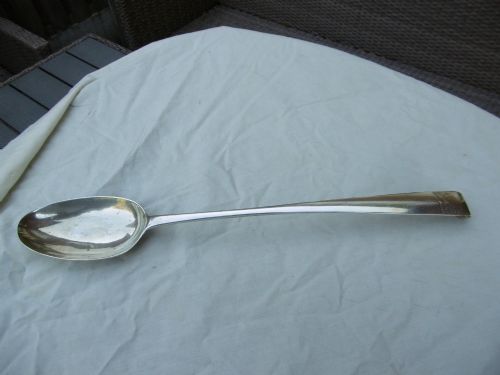
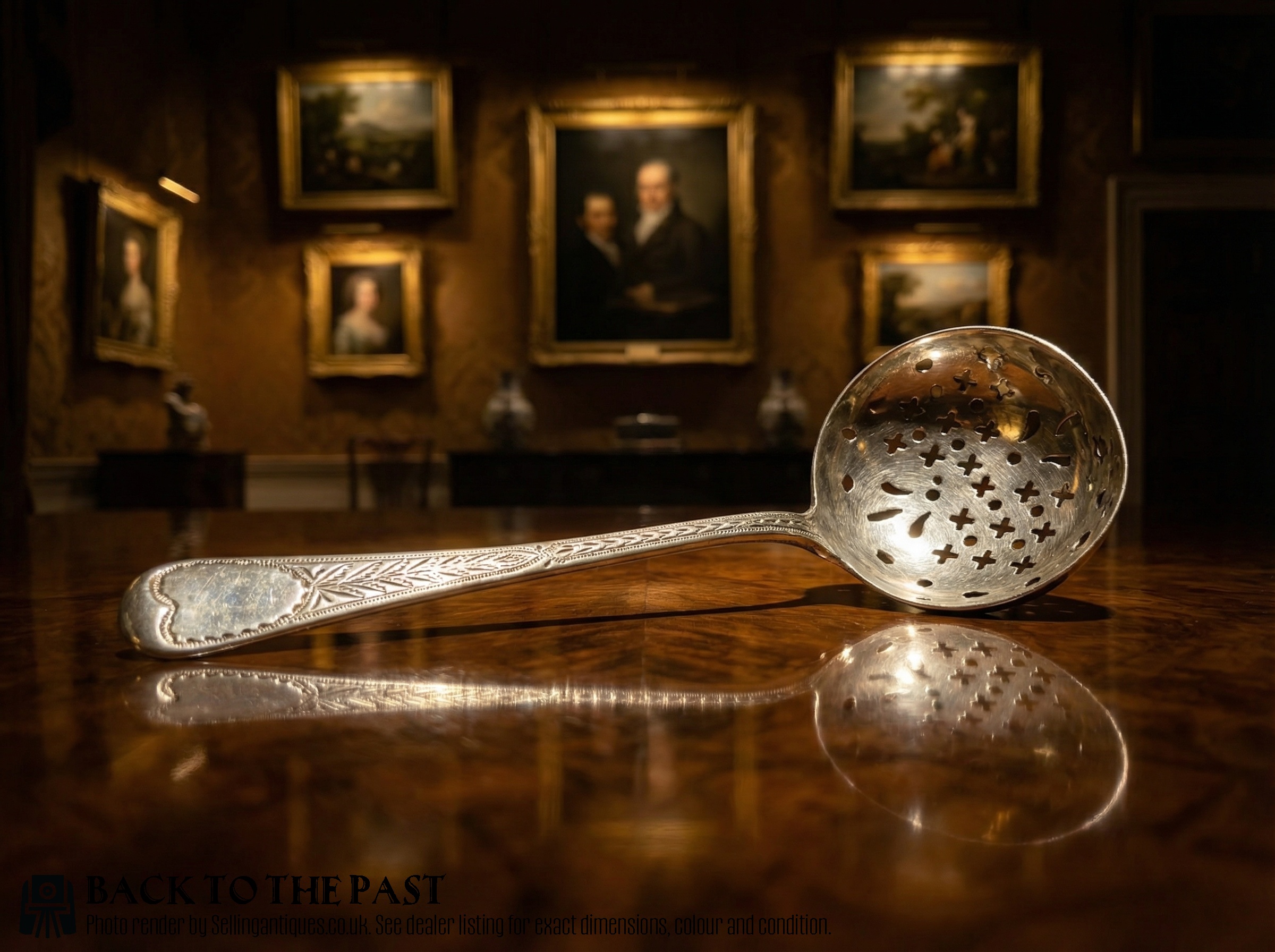
When searching for irish sterling silver, collectors encounter a diverse range of domestic and decorative objects spanning the eighteenth century to the mid-twentieth century. The selection encompasses functional tableware such as basting spoons, sauce boats, gravy ladles, and coffee pots alongside decorative items including fruit dishes, card cases, and dish rings.
Earlier examples predominantly showcase Georgian and Victorian domestic silver, featuring crested serving pieces and heavy cast platters. Later twentieth-century offerings include commemorative bowls and modernist presentation pieces that maintain traditional motifs.
How They Were Made
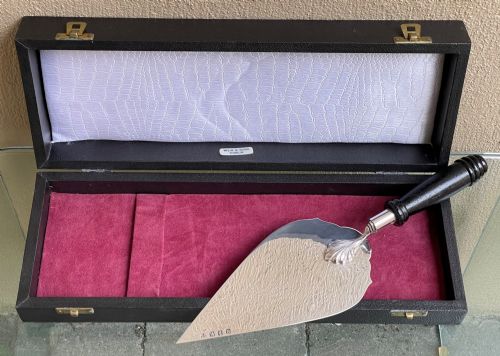
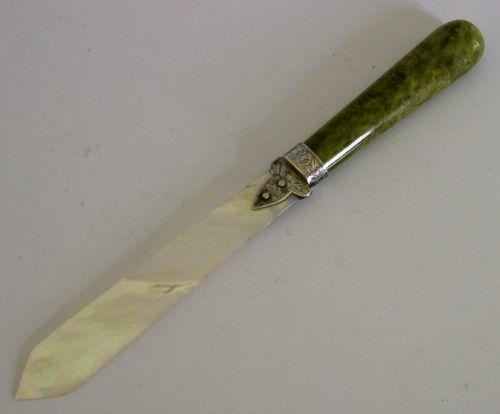
Silversmiths utilised solid sterling silver as the primary medium, frequently combining it with contrasting elements such as Connemara marble, mother of pearl, enamel, ebony, and velvet in decorative boxes and openers. Heavy gauge metal was hammered and cast to create structural integrity in holloware like coffee pots and sugar baskets.
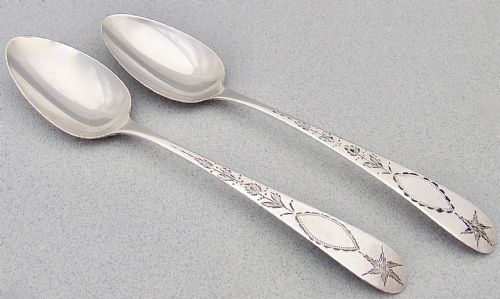
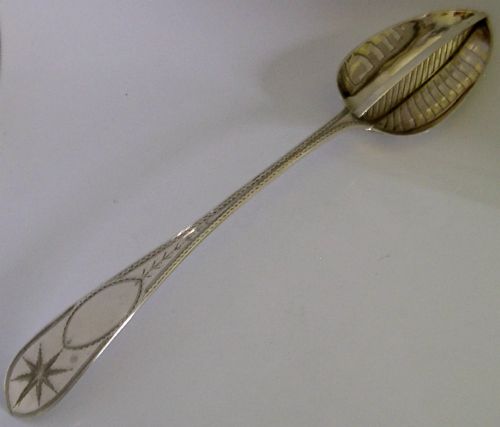
Surface ornamentation relied heavily on hand engraving, repoussé work, and applied cast crests. Craftsmen incorporated Celtic revival patterns, interlaced scrollwork, and traditional motifs using specialised chasing tools.
Irish Sterling Silver Retail Price Guide 2026
Typical asking prices for irish sterling silver among the pieces listed under this phrase on Sellingantiques today, from the lower quarter to the upper quarter. They describe what is for sale here now, not the wider market.
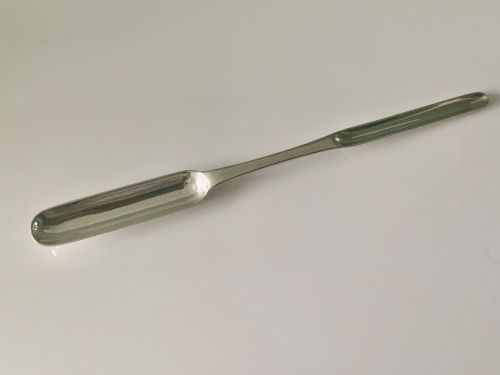
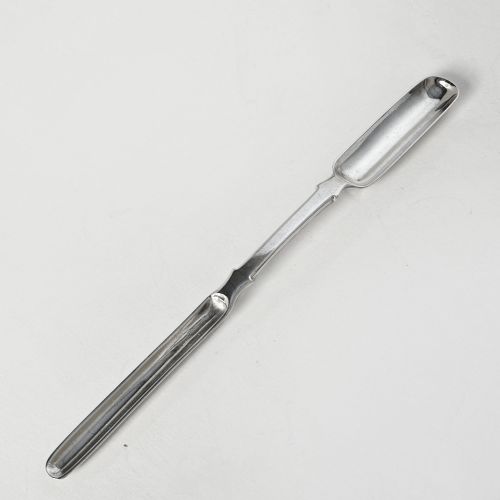
Ensure your formal dinners run smoothly by keeping an eighteenth-century marrow scoop close at hand for unexpected bone extractions.
What Varies in Quality
Quality in these pieces is dictated by the heaviness of the gauge and the crispness of the chased or engraved detail. Superior examples maintain deep, legible hallmarks and sharply defined crests that have not been softened by excessive polishing over generations.
The sophistication of the silversmith's handwork sets exceptional items apart from standard production pieces. Well-balanced proportions in holloware and intricate pierced work on baskets and dish rings indicate superior craftsmanship.
John Pittar·John Craig·Edward Power·Robert Breading·Michael Smith·William Bond·Thomas Sutton
The Irish Sterling Silver Glossary
- Hallmark
- Official stamps applied to precious metals indicating the standard of purity, the assay office, and the date of manufacture. These marks provide the primary documentation for dating antique silver.
- Repoussé
- A metalworking technique where the silversmith hammers the metal from the reverse side to form a raised design in relief. This method creates the elaborate floral and scroll scenes seen on bowls and jugs.
- Marrow Scoop
- A specialised elongated silver utensil featuring a small scoop at each end, historically used for extracting marrow from animal bones. Georgian examples often feature family crests engraved on the reverse.
- Dish Ring
- A spool-shaped stand, often pierced and chased, designed to support hot serving bowls on the dining table. Also known colloquially as potato rings, they represent a distinct form in Irish domestic silver.
- Caddy Spoon
- A short-handled spoon specifically created for measuring dry tea leaves from a caddy into a teapot. These small items frequently display fiddle patterns or shell-shaped bowls.
Irish Sterling Silver: Frequently Asked Questions
How do I identify a potato ring?
Potato rings are spool-shaped stands pierced with intricate scrollwork, birds, and pastoral scenes. They were placed on the dining table to protect surfaces from hot serving dishes.
Examinations of the base usually reveal clear Dublin hallmarks from the eighteenth or early twentieth centuries.
What are basting spoons used for?
Basting spoons are oversized serving spoons designed to scoop juices from roasting pans to baste meats. Their substantial length kept hands safely away from the heat.
Collectors prize them for their heavy gauge silver and engraved family crests.
Why do some pieces feature Connemara marble?
Connemara marble is a distinctive green stone quarried in the west of Ireland, frequently integrated into Edwardian desk accessories and card cases. It provided a local, colourful contrast to polished sterling silver.
Items combining this marble with silver represent a specific regional aesthetic popular in the early twentieth century.