




Georgian Irish Silverware
Georgian Irish silverware brings substantial sterling silver forms to the table, offering heavy gauges and distinct provincial punch.
What Georgian Irish silverware is
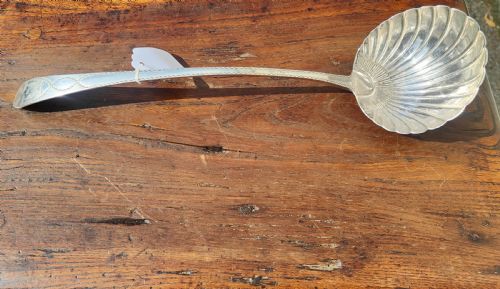
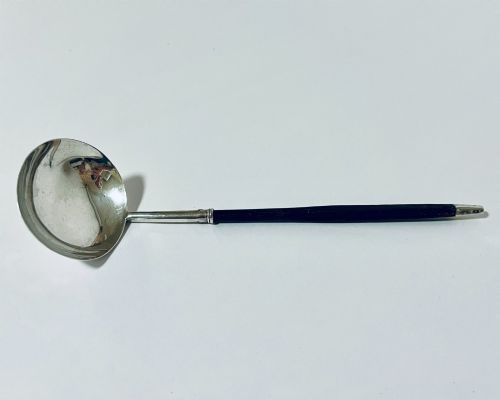
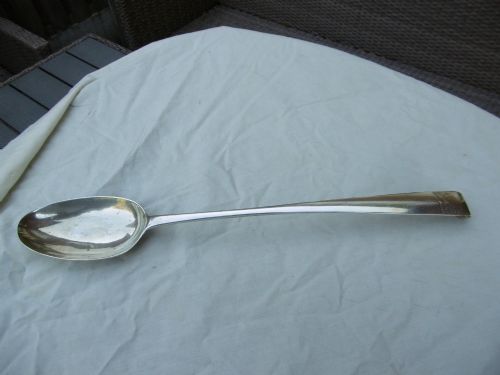
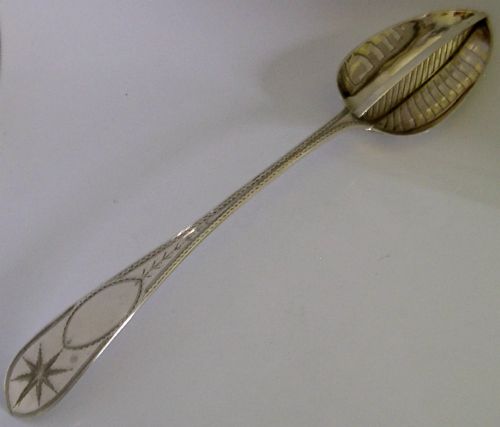
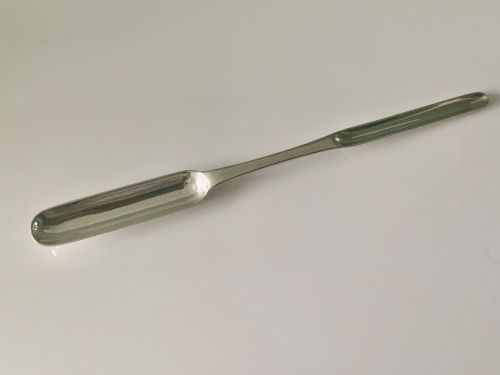
Georgian Irish silverware encompasses functional table items such as basting spoons, ladles, cream jugs, sugar bowls, cups, and strainers produced across the eighteenth and early nineteenth centuries. These pieces reflect the dining habits of the period, executed in solid sterling silver with substantial weight.
The objects appearing on this page range from mid-eighteenth-century sugar bowls and cups to later basting spoons and strainers bearing Dublin hallmarks. Buyers encounter items defined by distinct regional handling rather than standard English output.
How they were made
Silversmiths formed these serving utensils and holloware pieces from sterling silver, hammering and shaping the metal by hand. Such manual processes resulted in durable forms designed for heavy domestic service.
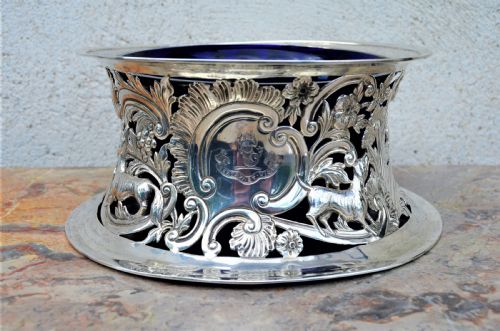
Decoration often involved repoussé work, chased surfaces, and engraved crests applied directly to the sterling silver body. Silversmiths utilised cast elements for handles and feet, joining them securely to the main vessels.
Retail Price Guide 2026
Typical UK retail prices for georgian irish silverware, calculated from the Sellingantiques database of over a million retail prices indexed since 2003. This retail price guide relies exclusively on Sellingantiques data; no external sources or auction records are used, so the figures do not describe the wider market.
Listings feature sterling silver items spanning the eighteenth century through to the Edwardian era, including sugar bowls and basting spoons.
What varies in quality
Quality rests in the crispness of the chased decoration and the original weight of the sterling silver. Pieces that retain their full gauge without thinning from aggressive cleaning sit higher in the hierarchy.
Provenance and maker attribution elevate certain items above standard domestic tableware. Engraved crests executed by skilled hands add distinct character compared to plain or later-adorned surfaces.
The Georgian Irish Silverware Glossary
- Sterling silver
- A standard alloy consisting of a high proportion of pure silver combined with other metals to ensure durability for tableware.
- Basting spoon
- A large serving spoon used in the kitchen or at the dining table to spoon juices over meat during roasting or serving.
- Repoussé
- A metalworking technique where the silversmith hammers the design from the reverse side to form a raised pattern on the front.
- Crest
- A heraldic device engraved onto the silver surface to denote the family or estate of the original owner.
Frequently Asked Questions
How do I date these items?
Dating relies on stamped hallmarks indicating the assay office, date letter, and silversmith's mark. Dublin pieces often carry distinct regional duty marks from the Georgian period.
Examining the style of engraving and the thickness of the sterling silver also helps determine the decade of manufacture.
How were basting spoons used?
Basting spoons served to scoop pan juices and fats over joints of meat during roasting. Their generous length kept hands away from heat.
In polite dining, they transferred food from large serving vessels to individual plates at the table.
Can I use these for dining?
These items remain fully functional for modern use, though hand washing preserves the finish. Silverware benefits from regular handling to prevent tarnish accumulation in recessed areas.
Avoid abrasive cleaners that wear away the original hand-chased details over time.