






18th Century Silver Cup
An 18th century silver cup is a drinking vessel of remarkable substance, offering a tangible link to Georgian dining and domestic rituals.
18th Century Silver Cup
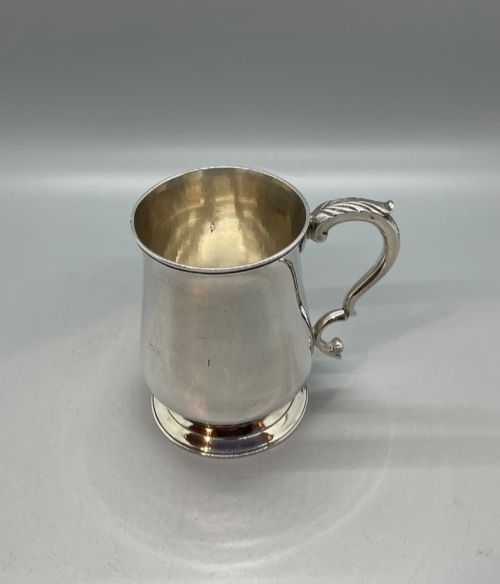
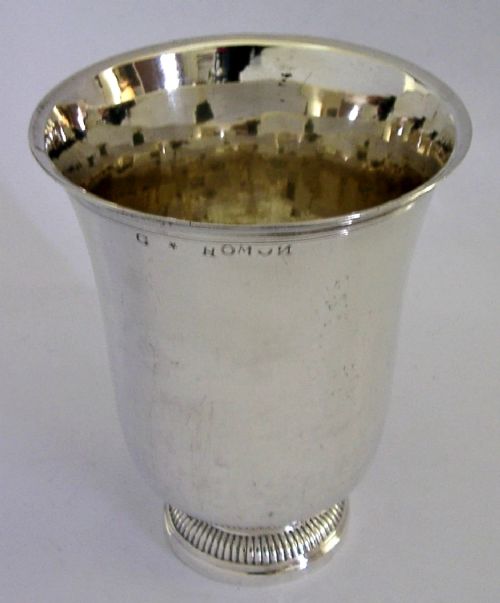
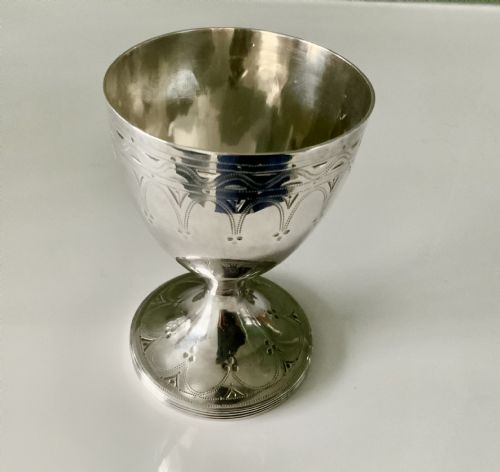
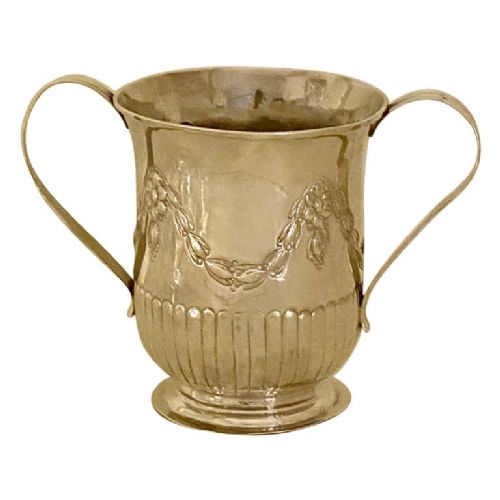
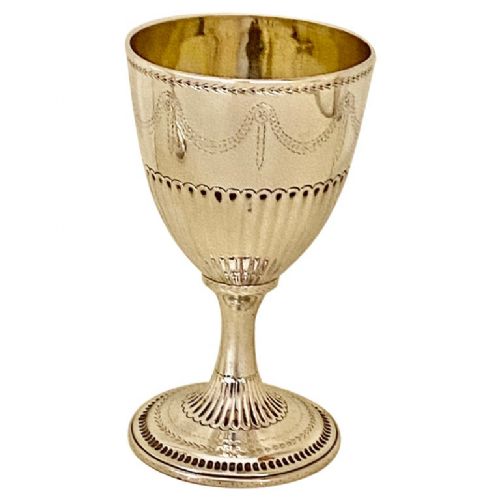
Searching for an 18th century silver cup reveals a diverse selection of drinking vessels, ranging from sturdy mugs and tankards to elegant goblets and two-handled porringers. These objects originate primarily from the Georgian period, featuring distinct regional variations such as Irish cups and French beakers.
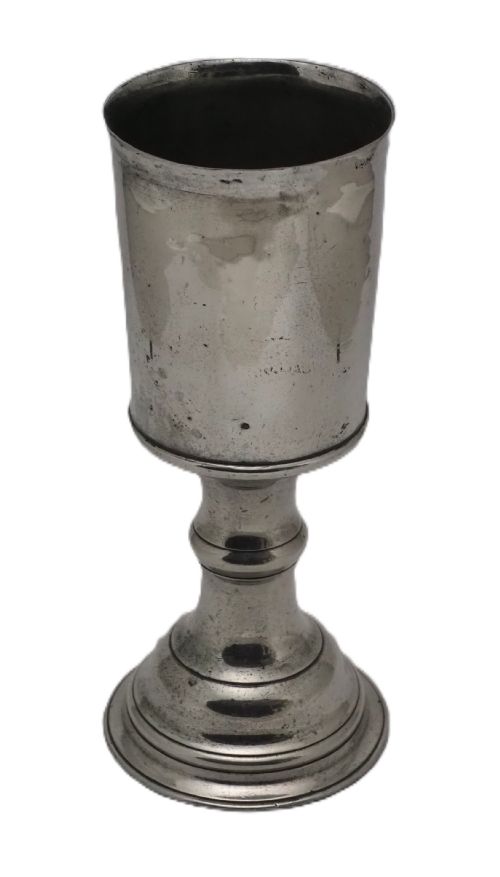
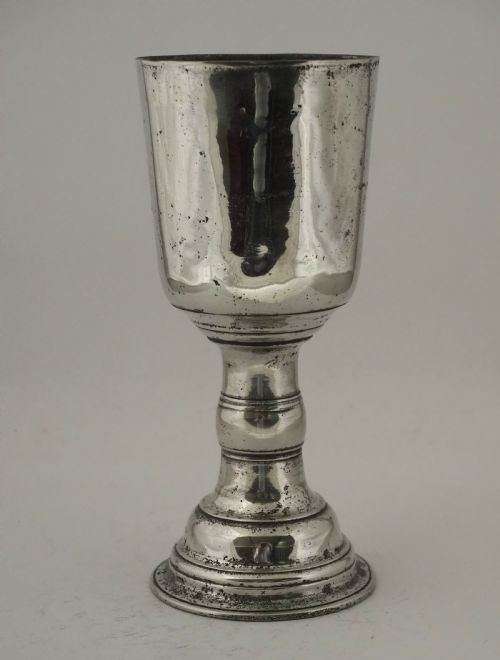
The assortment includes pieces made from sterling silver, Britannia standard silver, and Old Sheffield plate, alongside related metalware forms like pewter chalices and copper items. Buyers frequently encounter specific functional types, including christening mugs and trophy cups bearing hallmarks from London.
Stylistic influences span from Queen Anne and George II to George III, Dutch Baroque, and 18th century French designs. Forms vary from simple vase-shaped bodies to vessels resting on domed feet, reflecting the domestic and ceremonial needs of the era.
What varies in quality
Quality rests in the weight of the metal, the crispness of the hand-engraving, and the integrity of the original form. Pieces with clear maker marks and traceable provenance demonstrate superior craftsmanship.
The refinement of cast details, such as handles and bases, distinguishes standard utilitarian vessels from finer presentation pieces and trophy cups.
18th Century Silver Cup Retail Price Guide 2026
Typical asking prices for 18th century silver cup among the pieces listed under this phrase on Sellingantiques today, from the lower quarter to the upper quarter. They describe what is for sale here now, not the wider market.
Richard Gurney·Thomas Sutton
The 18th Century Silver Cup Glossary
- Britannia Standard
- A higher standard of silver purity introduced by law in England, containing more fine silver than sterling.
- Porringer
- A small, two-handled bowl used for porage, broths, or bleeding, common in domestic domestic settings.
- Old Sheffield Plate
- An early composite material made by fusing a thin sheet of silver to a thick copper ingot.
- Bright Cut
- A style of engraving executed with faceted gravers that catch the light, popular on late Georgian silver.
- Bleeding Bowl
- A shallow bowl with a single flat handle, historically used in medical bloodletting.
18th Century Silver Cup: Frequently Asked Questions
Can I drink from an 18th century cup?
Most solid silver and pewter vessels remain suitable for holding cool beverages after a careful wash.
Plated items and pieces with delicate liners require caution to prevent wear to the historic surfaces.
How can I date an 18th century cup?
Examine the hallmarks stamped into the metal, which typically indicate the assay office, maker, and year of production for British items.
Stylistic markers like vase-shaped bodies or bright cut engraving help narrow down pieces lacking complete marks.
What is the difference between a mug and a tankard?
Mugs generally feature a single handle and an open top designed for daily domestic consumption.
Tankards often include hinged lids and substantial handles, historically built for heavier service and ale.