


Sterling Silver Beaker
When you handle a sterling silver beaker, you hold a tangible piece of functional heritage spanning centuries of goldsmithing skill.
Sterling Silver Beaker
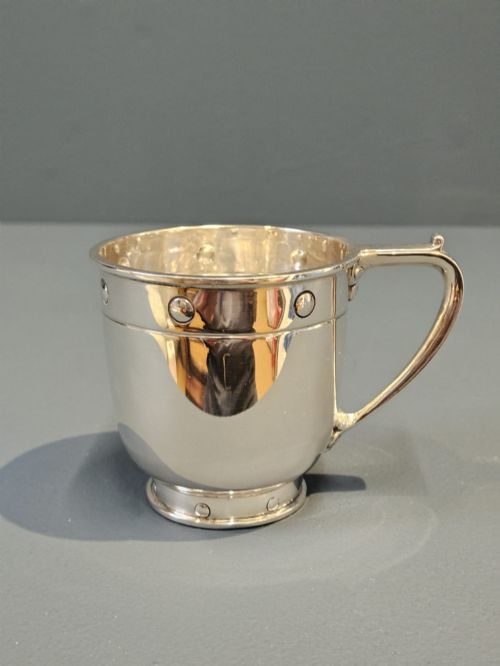
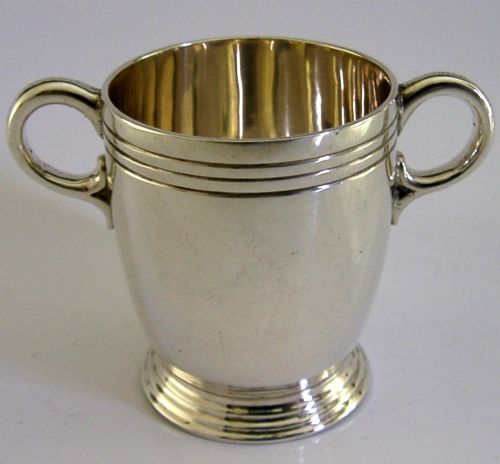
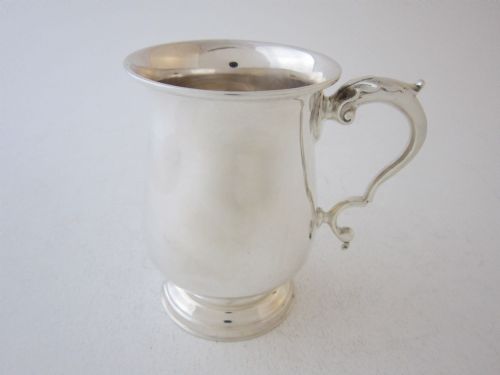
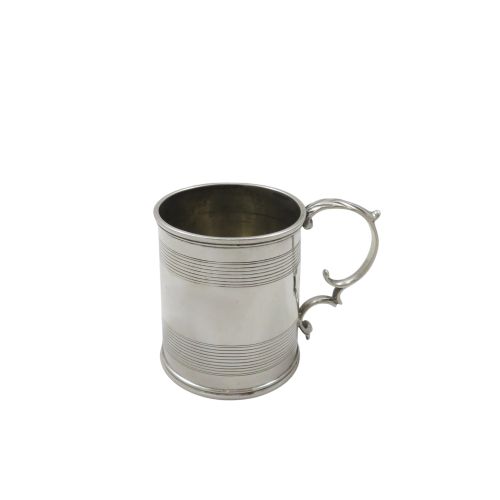
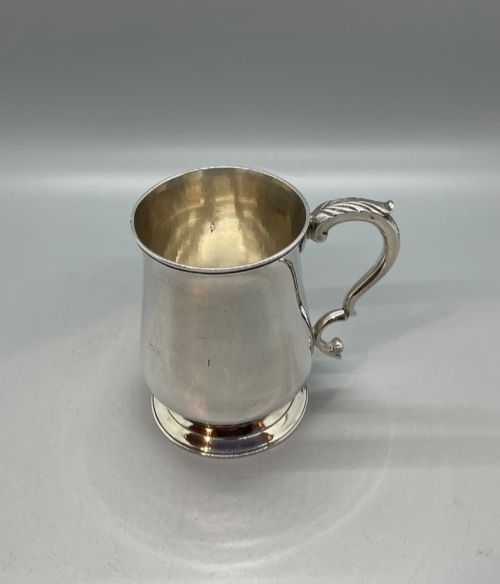
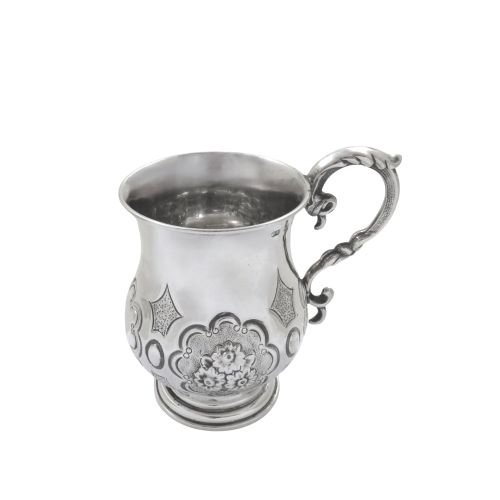
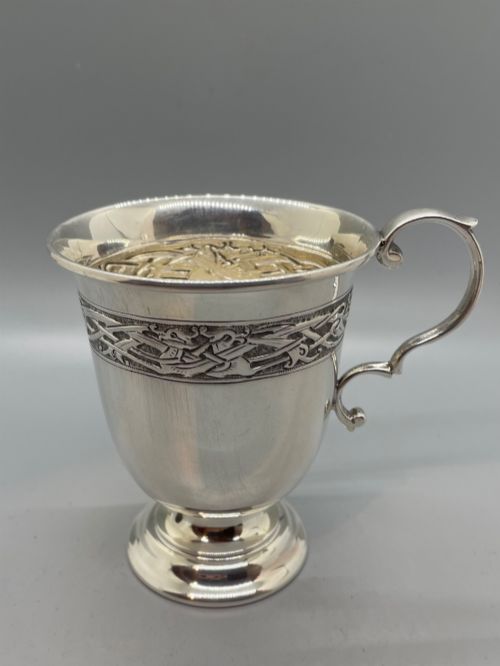
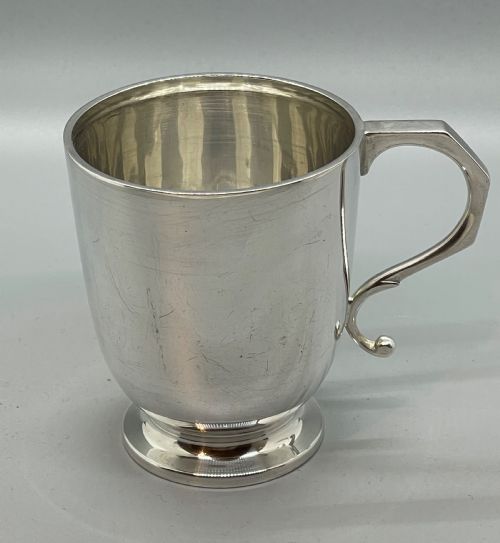
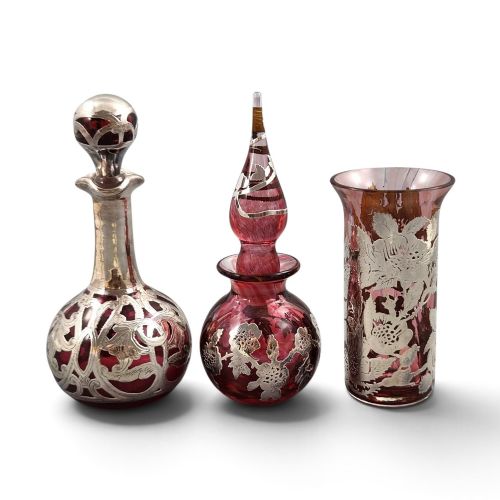
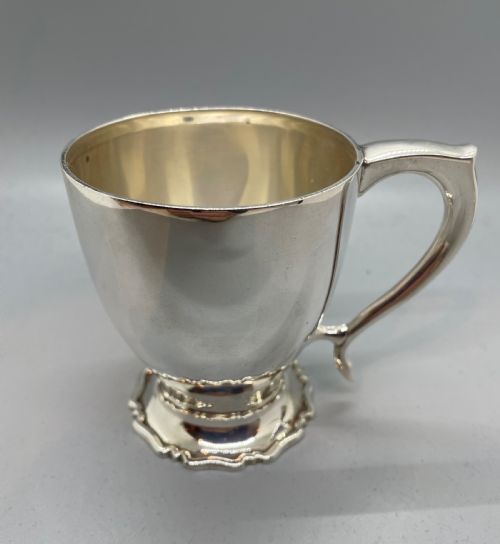
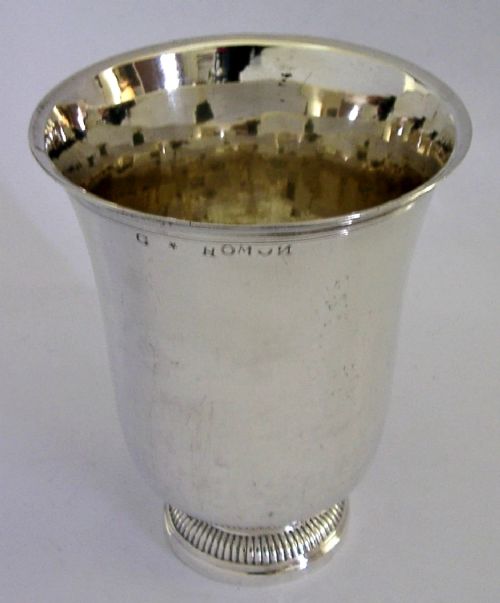
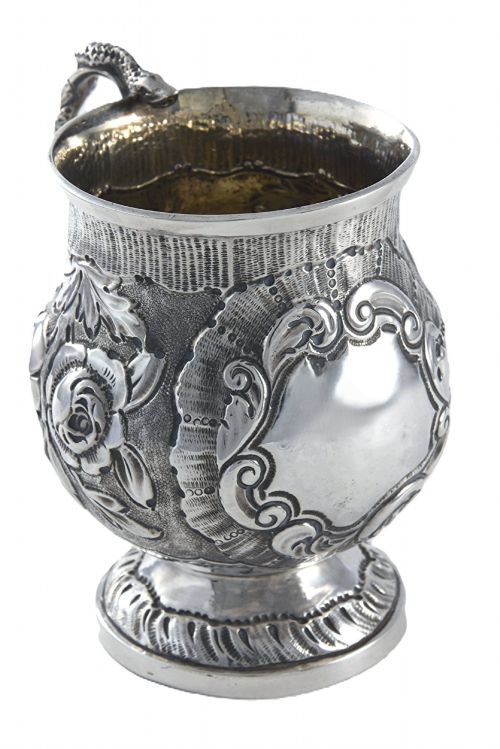
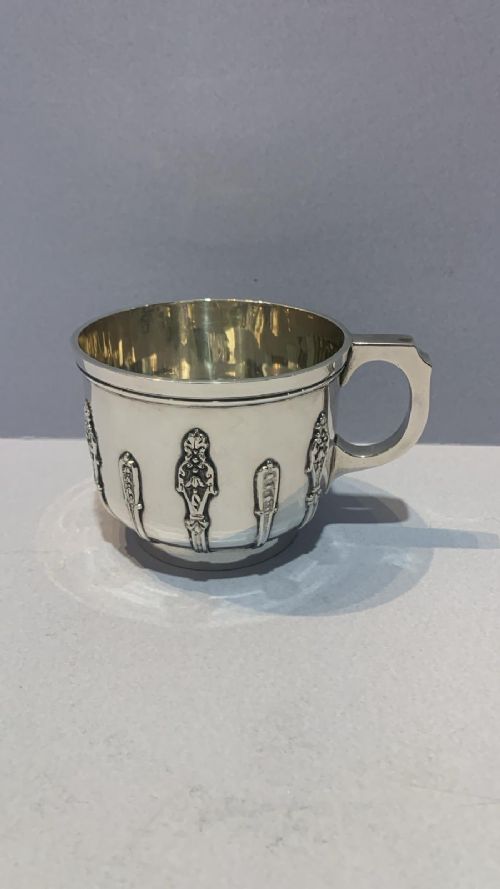
A sterling silver beaker represents a versatile drinking vessel that evolved from utilitarian tavern and dining gear into celebratory presentation pieces and christening gifts. The examples encountered on this page encompass straightforward cylindrical drinking vessels, handled mugs, tankards, and travel-friendly collapsible designs produced across the Victorian, Edwardian, and Georgian eras.
Makers utilised various supplementary materials alongside sterling silver, including horn, glass, and gilded interiors known as silver gilt. These vessels frequently feature regional hallmarks from London, Sheffield, Chester, and Birmingham, alongside continental and international origins.
How They Were Made
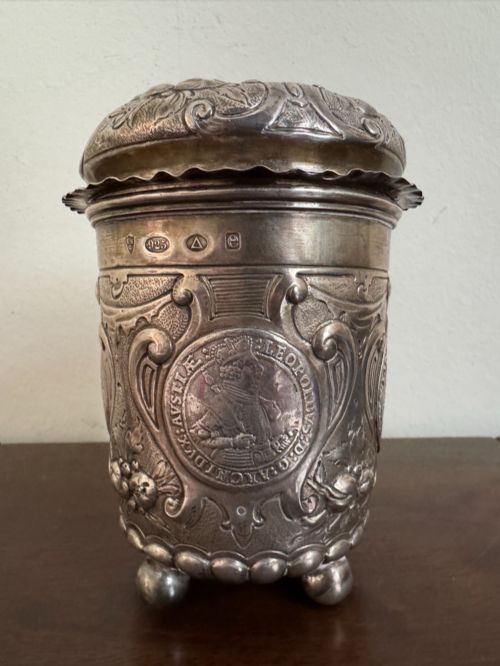
Silversmiths constructed these vessels primarily from solid sterling silver sheets, shaping them through raising, spinning, or casting techniques before applying handles and rims. Surface ornamentation typically involved hand-engraving, floral chasing, repoussé work, or coin inset details.
Many historical variants incorporated organic elements like natural horn or antler, secured with silver mounts, rims, and shields. Telescopic and collapsible travel beakers required precise engineering to ensure the nested rings fit together securely without leaking.
Sterling Silver Beaker Retail Price Guide 2026
Typical asking prices for sterling silver beaker among the pieces listed under this phrase on Sellingantiques today, from the lower quarter to the upper quarter. They describe what is for sale here now, not the wider market.
What Varies in Quality
The distinction between standard production and superior craftsmanship rests in the weight of the metal and the crispness of the hand-chased or engraved details. Heavier gauge silver provides a substantial feel in the hand and resists denting during everyday use.
Proportion and decorative restraint dictate visual success, where well-balanced baluster forms, crisp hallmarks, and finely detailed scroll handles elevate an ordinary drinking vessel into an exceptional example of silversmithing.
Barker Bros·R E Stone·William Bateman·Tiffany and Co·Thomas Sutton·Gorham·Tane Mexico
The Sterling Silver Beaker Glossary
- Sterling silver
- An alloy consisting of ninety-two point five percent silver and seven point five percent other metals, usually copper, chosen to increase durability. This standard has governed British silver production for centuries.
- Silver gilt
- Sterling silver that has been coated with a thin layer of gold on its interior or exterior surface. This technique provided protection against acidic liquids and added a decorative two-tone appearance.
- Hallmark
- An official stamp applied by an assay office indicating the purity of the metal, the maker, and the year of production. British marks typically include a lion passant and city symbols.
- Repoussé
- A metalworking technique where the silversmith hammers the design from the reverse side to form a raised relief on the front. It is often combined with fine chasing for surface texture.
- Baluster
- An architectural term describing a vase-shaped form with a rounded lower body tapering upwards. This profile is frequently seen on traditional drinking vessels and christening mugs.
Sterling Silver Beaker: Frequently Asked Questions
What is a sterling silver beaker used for?
These vessels were originally designed for consuming beverages at the table, during travel, or at public taverns. Over time, many smaller variants were repurposed as christening gifts or presentation cups for young children.
Today, collectors frequently utilise them as desk accessories, miniature vases, or functional barware for spirits and drams.
How do I clean a silver beaker?
Cleaning requires a soft microfiber cloth and a mild, non-abrasive silver polish formulated to lift tarnish without removing the underlying metal. Avoid harsh chemical dips, especially on pieces with horn bodies or glass liners.
Wash the vessel gently in warm soapy water and dry thoroughly by hand to preserve the bright finish and prevent water spotting.
How can I date a silver beaker?
Dating relies primarily on the stamped assay office hallmarks, which include specific date letters corresponding to the year the piece was tested and certified. Stylistic indicators such as Rococo scrollwork, Art Deco geometry, or Victorian floral engraving also offer clues to the period of manufacture.
Matching the maker's mark against historical records confirms the workshop origin and narrows the timeline further.
Are travel beakers waterproof?
Historical collapsible and telescopic travel beakers were engineered with tight-fitting nested rings designed to hold liquids securely during use. However, prolonged storage of liquids in vintage collapsible vessels is generally discouraged.
Testing with cold water will quickly confirm whether the historical soldered joints remain intact and watertight.