


Gilt Interior Silver Cup
A gilt interior silver cup brings a flash of hidden gold to the table, and collectors prize these drinking vessels for their rich interior washes.
What a gilt interior silver cup is
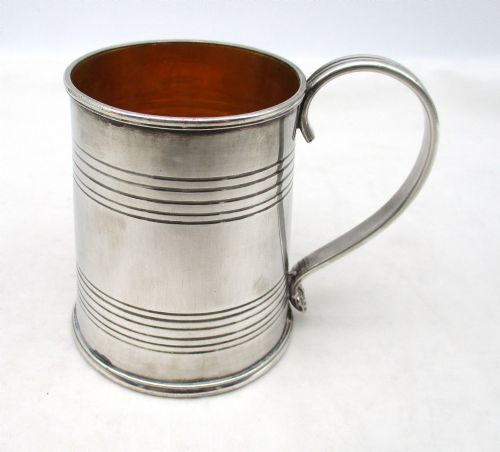
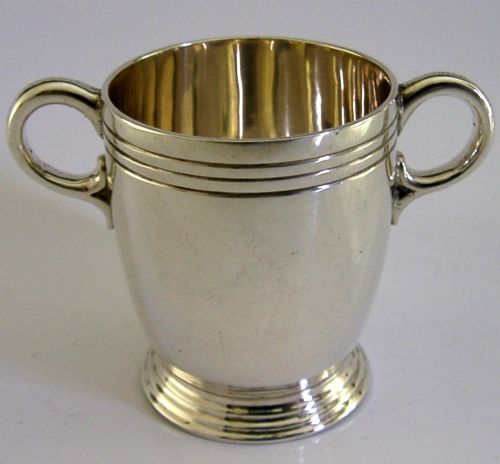
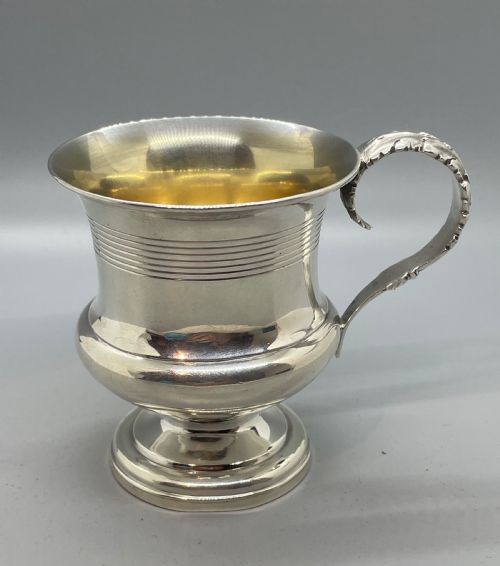
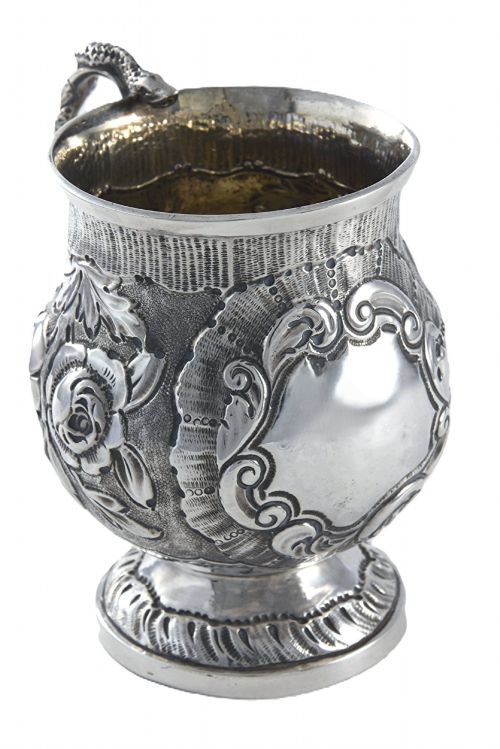
A gilt interior silver cup comprises a range of drinking vessels and tableware designed in silver with a contrasting gold wash applied to the inside. The selection on this page spans the Victorian, George V and Art Deco periods, encompassing distinct forms from different eras.
The most common forms you will encounter here include christening mugs, egg cups, beakers and goblets. These pieces originate from English workshops operating in the nineteenth and twentieth centuries.
How they were made
Silversmiths formed these objects from sterling silver, shaping the metal into beakers, mugs, egg cups and goblets according to the prevailing style of the period. The exterior surfaces display the polished finish of sterling silver.
The characteristic interior finish was achieved through gilding, applying a layer of gold gilt to the inner bowl or cavity. This technique protected the silver from acidic contents and provided a decorative contrast.
The listings here cover materials in sterling silver, gilt, and gold gilt across Victorian, George V, and Art Deco styles.
What varies in quality
Quality in these pieces rests upon the crispness of form and the retention of the original gold wash on the interior. Stronger examples maintain an even gilt layer inside the silver body without heavy thinning from past cleaning.
The distinction between a standard piece and a superior one also involves the weight of the sterling silver and the precision of any applied decoration or hallmarks. Pieces bearing clear regional stamps and maker marks demonstrate higher craftsmanship.
James Deakin And Sons
The Gilt Interior Silver Cup Glossary
- Sterling silver
- A standard alloy of silver consisting of 92.5 percent silver by mass, used for all the main bodies of these cups. This material provides the durable foundation for both the exterior polish and the interior gilding.
- Gilt interior
- A gold wash applied specifically to the inside of a silver vessel. This traditional treatment prevents metallic tastes and adds a bright flash of gold when the cup is in use.
- Hallmark
- An official stamp applied to precious metals to indicate the standard of purity, the assay office, and the date of manufacture. These marks allow collectors to date pieces precisely to years such as 1850 or 1921.
- Art Deco
- A design style prominent in the 1920s and 1930s, characterised by clean lines and geometric forms. Beakers from this era show a distinct shift away from Victorian ornamentation.
Frequently Asked Questions
What is a gilt interior silver cup?
A gilt interior silver cup is a drinking vessel or small container made from sterling silver with a gold wash applied to the inside. These pieces include beakers, mugs, goblets and egg cups.
The gold coating inside provides a decorative contrast to the polished silver exterior while serving a practical purpose for containing food or drink.
How do I date a silver cup?
Dating a silver cup relies upon reading the hallmarks stamped into the metal by the assay office. These official marks typically include date letters and maker symbols that pinpoint the exact year of manufacture.
Style also helps indicate the period, moving from ornate Victorian designs to geometric Art Deco forms of the twentieth century.
Why did they gild the inside?
Gilding the interior of a silver cup protected the metal from tarnishing or reacting with acidic substances such as eggs, wine or citrus. The gold layer offered a durable barrier that preserved the integrity of the silver.
Beyond practical protection, the golden interior added a rich visual element that enhanced the presentation of the vessel.