
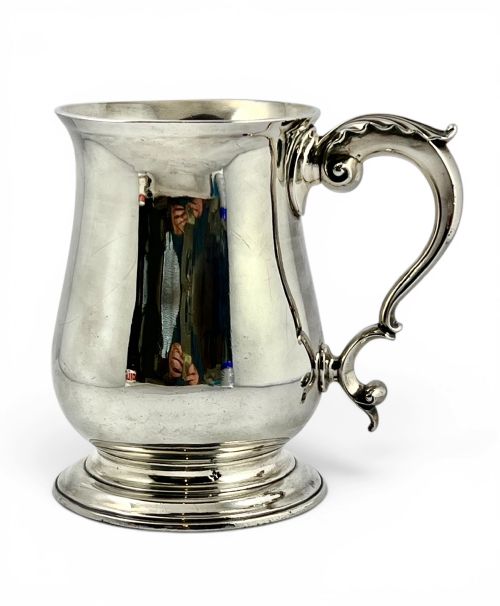


Solid Silver Mug
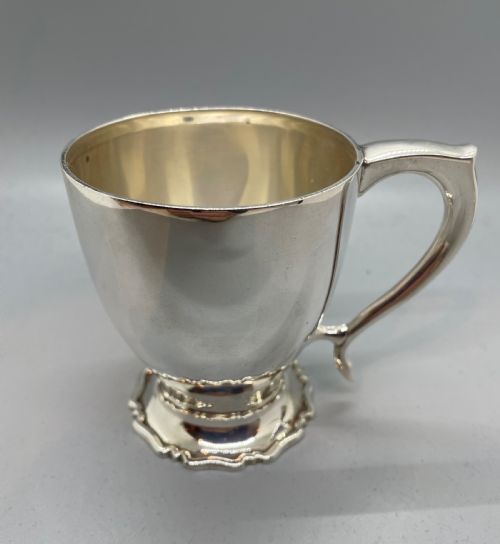
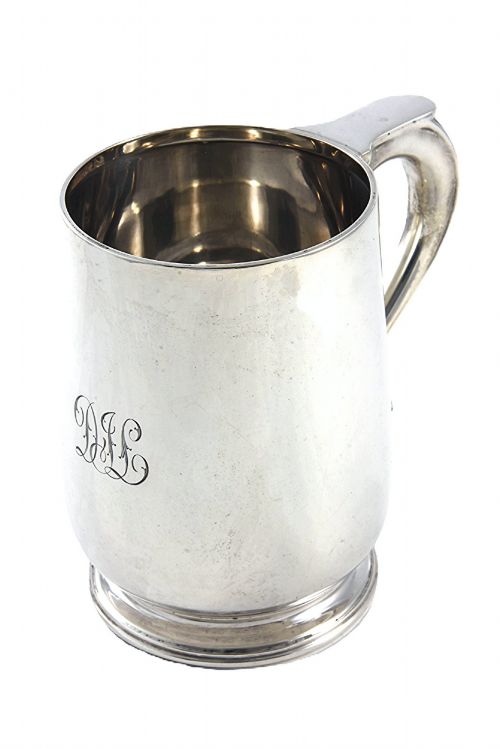
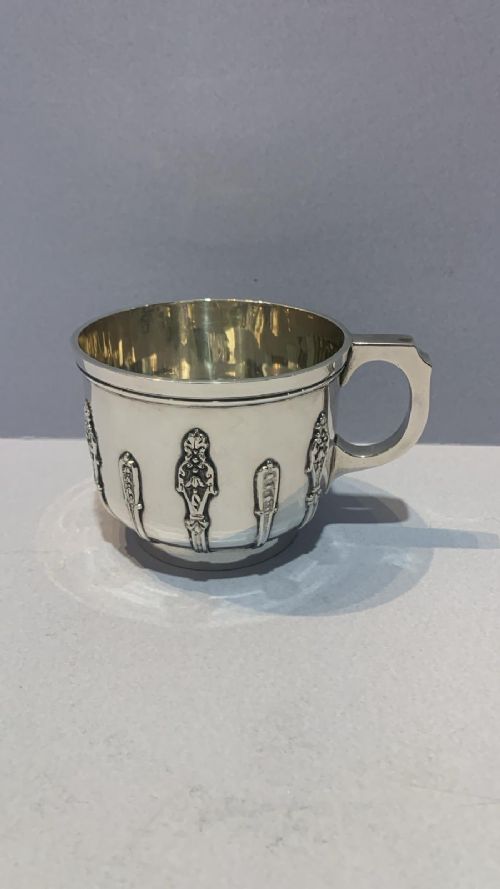
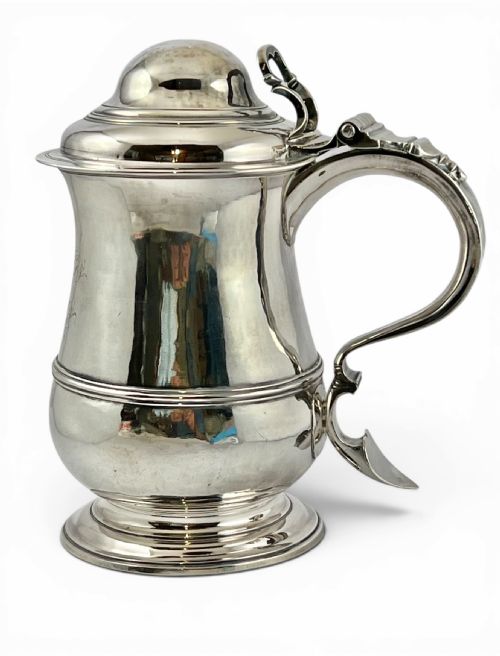
A solid silver mug brings tactile weight and historic craftsmanship to the table, spanning compact christening cups to substantial pint tankards.
Solid Silver Mug
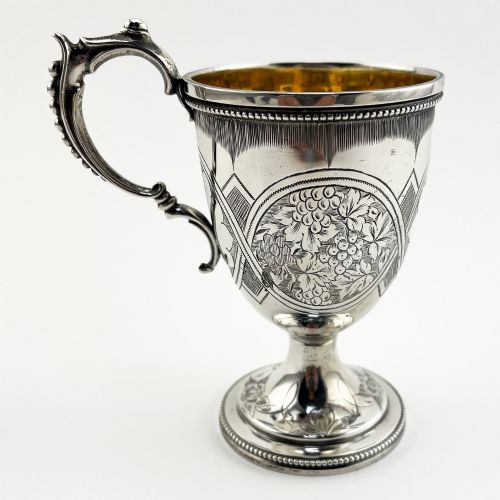
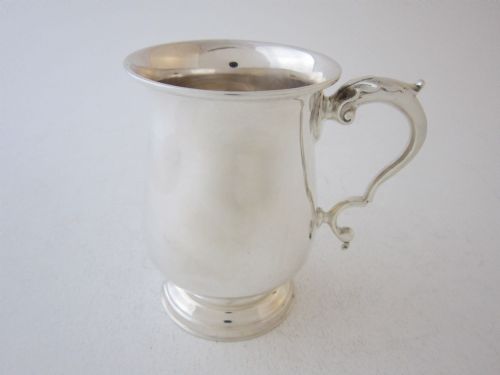
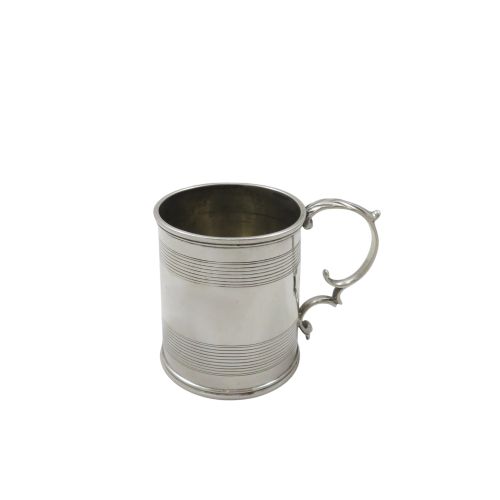
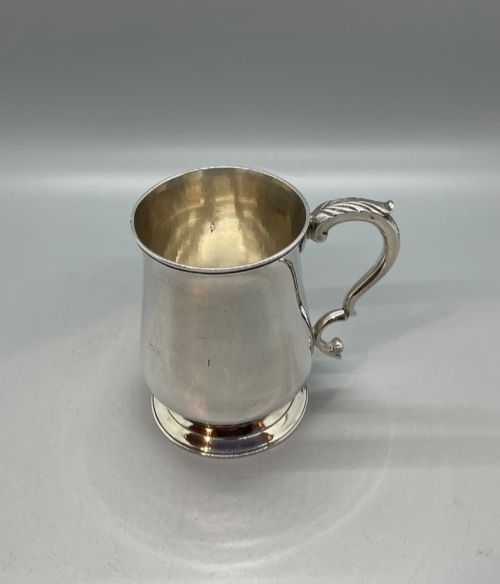
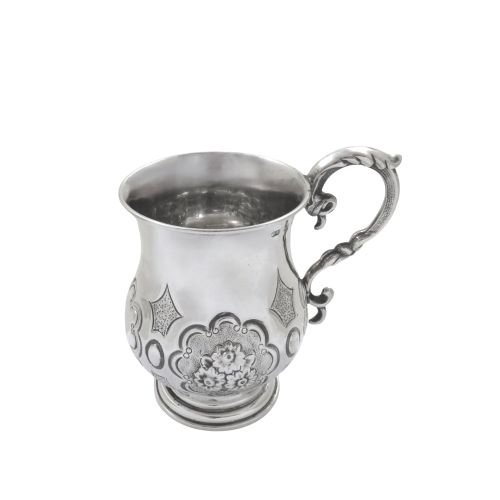
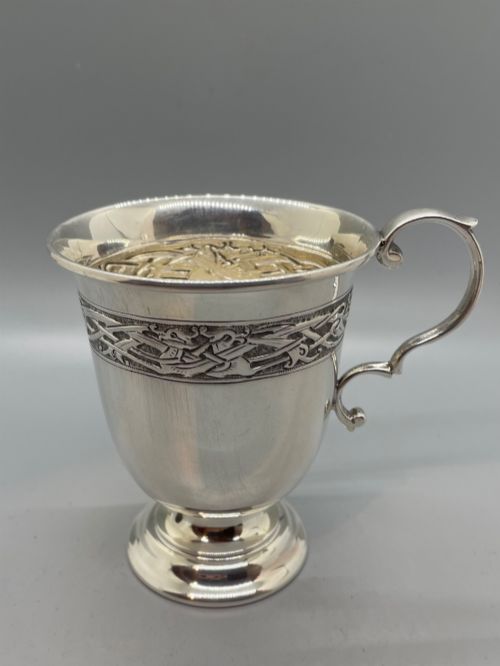
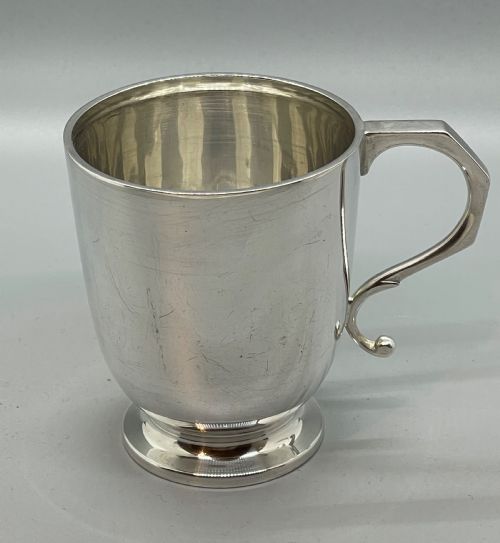
When searching for a solid silver mug, collectors encounter a diverse range of drinking vessels created across several centuries of British and international silversmithing. The selection spans diminutive christening gifts presented to newborns alongside generous pint tankards intended for everyday table use.
Georgian and Victorian examples dominate the available forms, often featuring baluster bodies, scroll handles, or intricate floral and naturalistic engravings. Mid-century pieces introduce plainer, cleaner outlines that reflect changing domestic tastes while maintaining heavy sterling standards.
What Varies in Quality
Quality rests upon the gauge of the silver used in construction, determining the physical heft and structural resistance to denting over generations of handling. Thicker walls and robustly joined scroll handles separate sturdier vessels from lighter presentation pieces.
The crispness and depth of hand engraving or chased motifs dictate artistic merit, distinguishing fluid, deeply carved naturalistic foliage from shallow mechanical marking. Well-struck hallmarks providing clear maker marks and assay dates further elevate a piece's standing.
Solid Silver Mug Retail Price Guide 2026
Typical asking prices for solid silver mug among the pieces listed under this phrase on Sellingantiques today, from the lower quarter to the upper quarter. They describe what is for sale here now, not the wider market.
John Payne·William Grundy·R E Stone·Tiffany & Co·George Ernest Hawkins·Martin Hall & Co·Elkington & Co Ltd·Carrington & Co·Stewart Dawson Ltd
The Solid Silver Mug Glossary
- Hallmark
- Official stamps struck into precious metal indicating the assay office, maker, and year of production. These tiny impressions provide the primary documentary evidence for dating antique silverware.
- Baluster
- A vertical architectural form featuring a rounded swelling lower portion tapering towards a narrow neck. This curving silhouette appears frequently on Georgian and Victorian drinking vessels.
- Chasing
- A metalworking technique where the silversmith pushes and displaces silver from the front using hammers and punches without removing material. It creates low relief decorative patterns across the exterior surface.
- Gilt
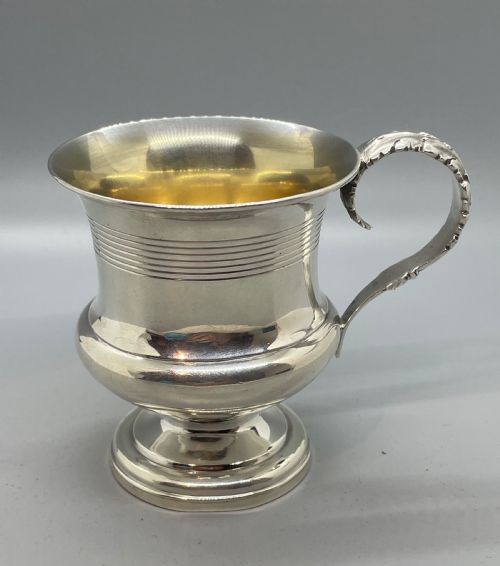
- Silver that has been coated with a thin layer of gold, historically applied via mercury amalgamation or modern electroplating. This finish imparted a rich yellow sheen and protected the underlying metal.
Solid Silver Mug: Frequently Asked Questions
What is a christening mug?
A christening mug is a small, presentation drinking vessel traditionally given to an infant to mark a baptism or naming ceremony. These pieces were often engraved with initials, birth dates, or family crests to serve as lifelong keepsakes.
Over the centuries, silversmiths fashioned these items in various regional styles, ranging from plain cylindrical forms to heavily embossed Victorian designs featuring floral motifs.
How do I clean antique silver?
Cleaning antique silver requires a gentle approach using specialised silver cloths or mild, non-abrasive liquid polishes designed specifically for precious metals. Avoid harsh chemical dips that can strip away desirable patination accumulated over generations of handling.
Regular washing in warm, soapy water followed by immediate drying with a soft cloth helps maintain the reflective surface without harming delicate engraved details or hallmarks.
Can I drink from a silver mug?
Silver mugs are fully functional vessels that conduct temperature rapidly, keeping cold beverages chilled and warm drinks hot. Many historical examples were created specifically for ale, beer, or everyday table refreshments.
When using older pieces, particularly those with gilt interiors, it is wise to avoid acidic liquids left sitting for extended periods and wash the vessel promptly after use.
How do I date a silver mug?
Dating a silver mug relies primarily on the legible hallmark stamped into the metal, which includes a date letter corresponding to the specific year and assay office of testing. Stylistic clues such as handle shape, body proportions, and engraving techniques also assist in narrowing down the era.
Comparing the maker's mark against historical registry records confirms the exact active operating window of the silversmith who fashioned the piece.