

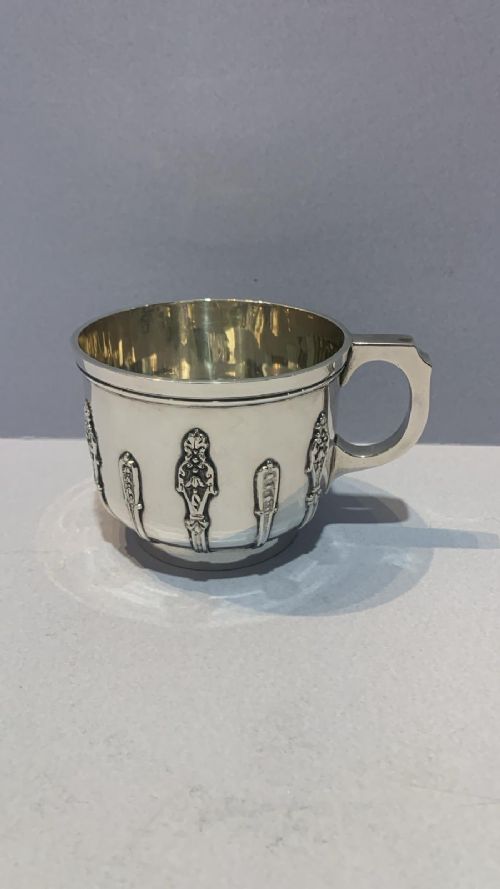


Vintage Silver Tankard
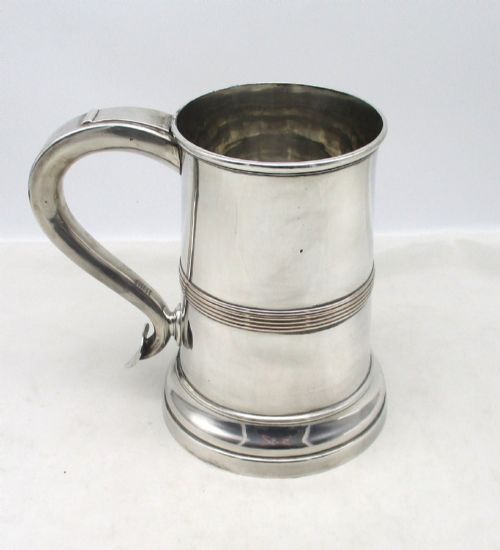
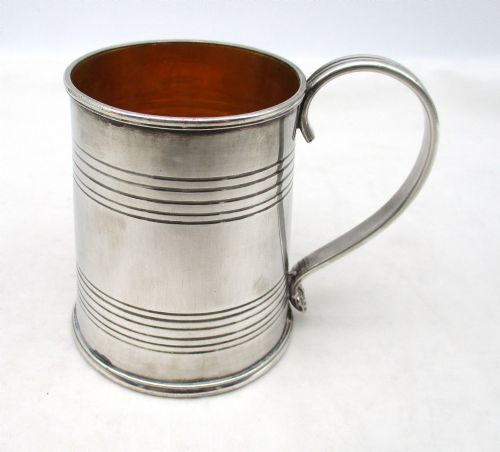
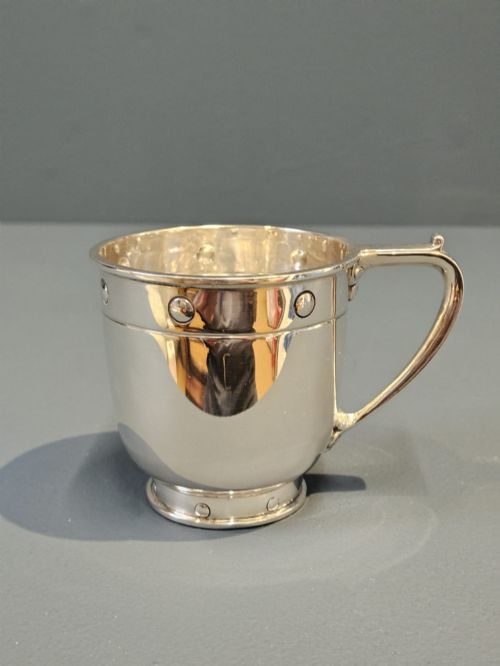
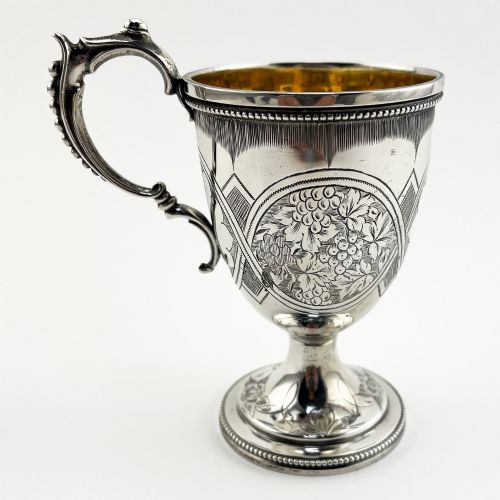
A vintage silver tankard brings substantial weight and gleaming metal to the table, offering a tangible link to historic drinking customs.
Understanding the vintage silver tankard
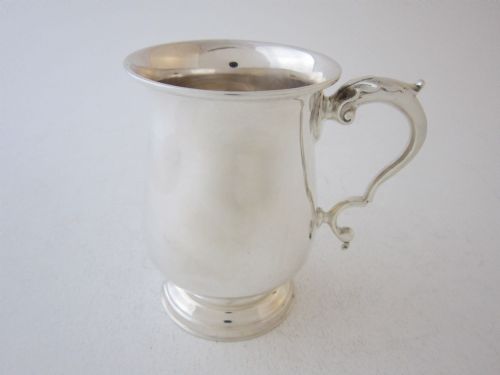
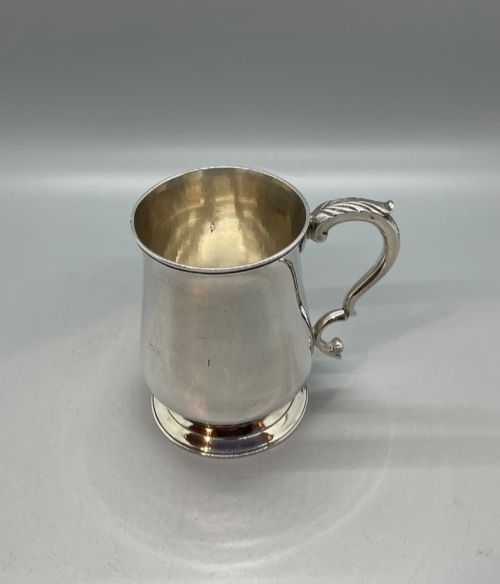
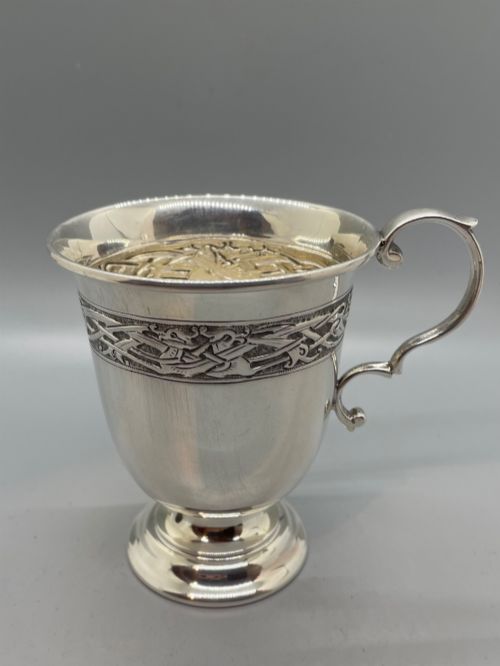
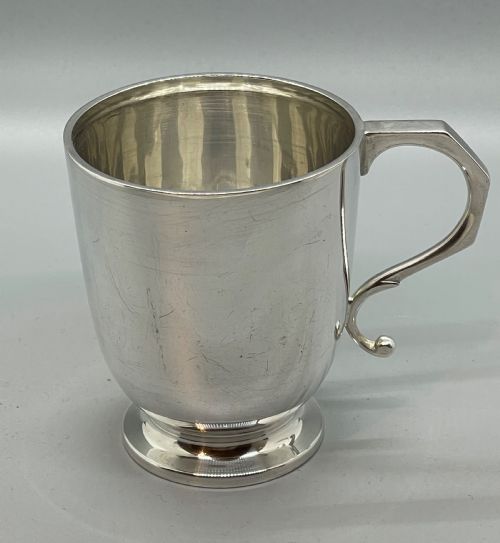
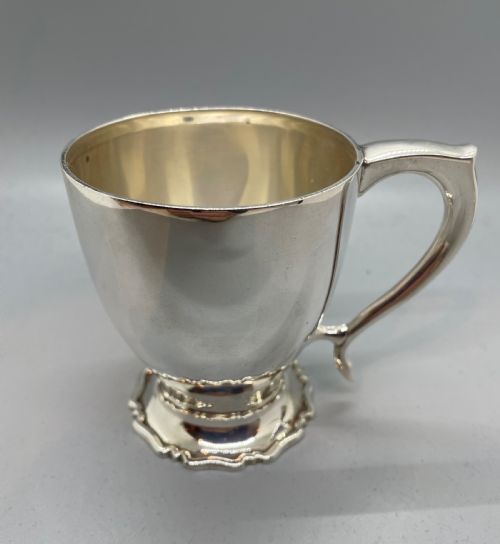
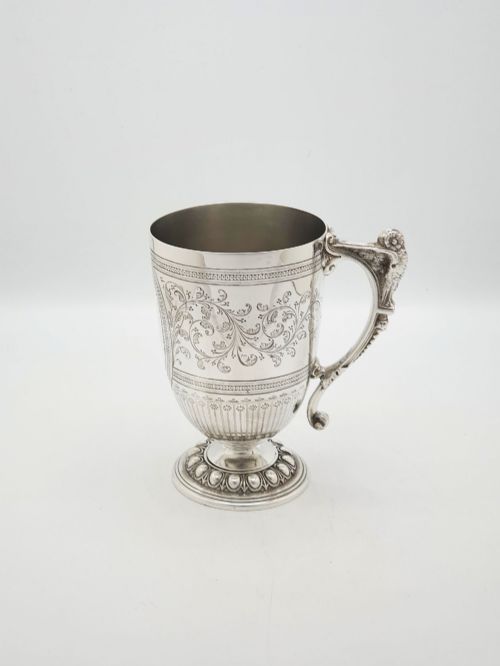
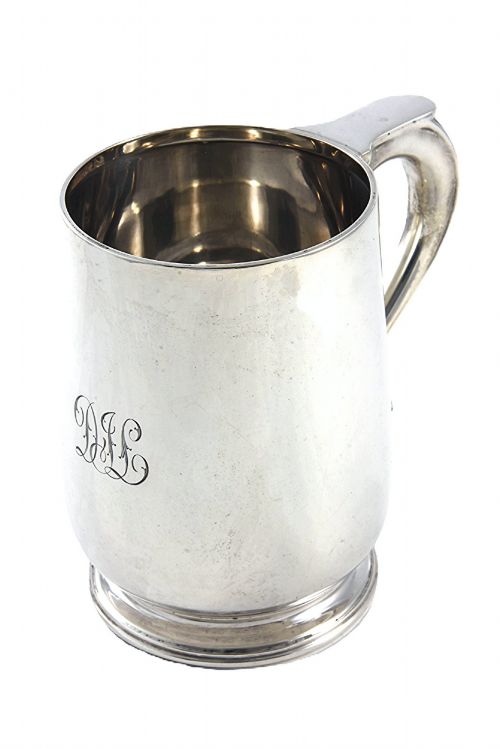
The forms vary from classic lidded vessels to simple mugs with scroll handles, sometimes featuring oak components alongside metal. Pieces range across George V, Edwardian, Georgian, and Mid-Century British or modern styles, showing how domestic drinking vessels evolved over generations.
Origins include solid sterling silver creations, silver plate on base metal, and traditional Old Sheffield Plate. Alongside formal tankards, the selection frequently includes christening mugs and barware sharing the same robust cylindrical form and sturdy handles.
Materials and construction methods
Makers utilised sterling silver, silver plate, base metal, and Old Sheffield Plate to shape these drinking vessels. Construction often involved forming sheet metal into cylindrical bodies, attaching sturdy scroll handles, and occasionally incorporating wooden elements such as oak.
Surface finishes and detailing required skilled metalsmithing, from plain polished bodies to engraved presentations and novelty designs. Lidded variants required precise hinge work to ensure the cover aligned properly with the rim of the tankard.
Retail Price Guide 2026
Typical UK retail prices for vintage silver tankard, calculated from the Sellingantiques database of over a million retail prices indexed since 2003. This retail price guide relies exclusively on Sellingantiques data; no external sources or auction records are used, so the figures do not describe the wider market.
Materials recorded across these drinking vessels include sterling silver, silver plate, base metal, and Old Sheffield Plate.
Distinguishing quality across pieces
The distinction between standard commercial wares and finer examples lies in the weight of the metal and the substance of the handle attachment. Heavier gauge sterling silver provides a substantial feel in the hand that lighter plated base metals cannot replicate.
The crispness of hallmarks, the balance of the scroll handle, and the quality of any applied engraving separate utilitarian items from pieces produced by notable makers and workshops.
R E Stone·Pinder Brothers
The Vintage Silver Tankard Glossary
- Sterling silver
- A standard alloy consisting of a high proportion of pure silver combined with other metals to ensure durability in daily use.
- Old Sheffield plate
- An early form of composite metal produced by fusing a thin sheet of silver to a thicker copper base.
- Scroll handle
- A curved, looped handle shape commonly attached to the side of mugs and tankards for a secure grip.
- Christening mug
- A small presentation mug often given to mark the birth or baptism of a child, frequently sharing forms with miniature tankards.
- Barware
- Utensils and vessels intended for the preparation and serving of drinks in domestic or commercial settings.
Frequently Asked Questions
What is a vintage silver tankard?
A vintage silver tankard is a cylindrical drinking vessel made from materials such as sterling silver, silver plate, or Old Sheffield Plate. These pieces date from various periods including the eighteenth century up to the mid-twentieth century.
They function as both practical drinking vessels and decorative items, often featuring sturdy scroll handles and sometimes hinged lids.
How were they used historically?
These vessels served primarily for consuming ale, beer, and other beverages in homes, taverns, and social gatherings. Their solid construction made them suitable for daily drinking.
Smaller examples, often designated as christening mugs, served as ceremonial gifts or keepsakes for children rather than everyday tavernware.
How do I care for silver tankards?
Regular gentle cleaning with a suitable silver polish helps maintain the shine and removes tarnishing that naturally occurs on metal surfaces. Storing the pieces in a dry environment prevents excessive oxidation.
Using soft cloths avoids scratching the surface of sterling silver or plated items during routine maintenance.
How can I tell different periods apart?
Hallmarks stamped into sterling silver pieces provide specific letters, symbols, and maker marks that indicate the exact year of assay and the city of origin. Stylistic clues also help, as Georgian and Edwardian designs differ noticeably from mid-century modern barware.
Examining the manufacturing technique, such as the fusing method in older plated items or the clean lines of mid-century pieces, offers further context for dating.