



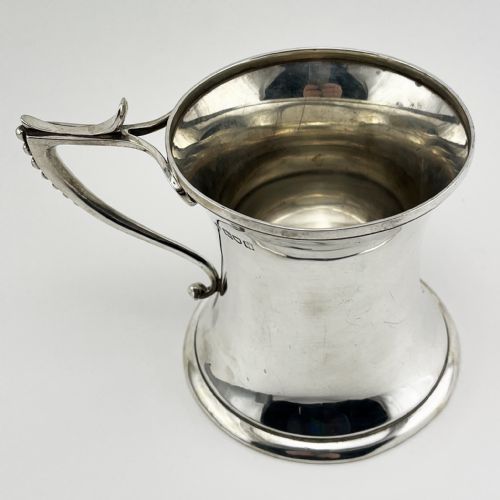
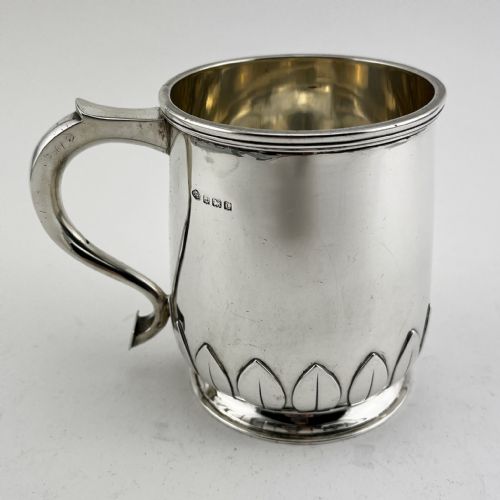


Antique Silver Beer Mug
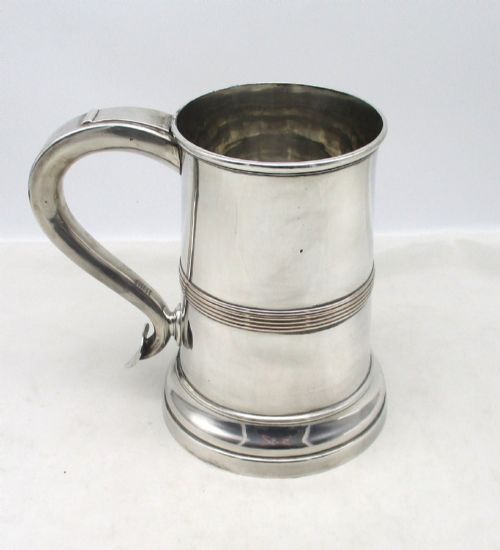
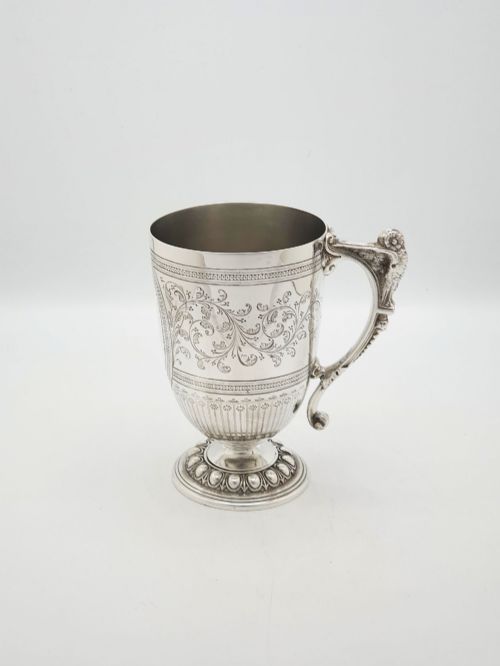
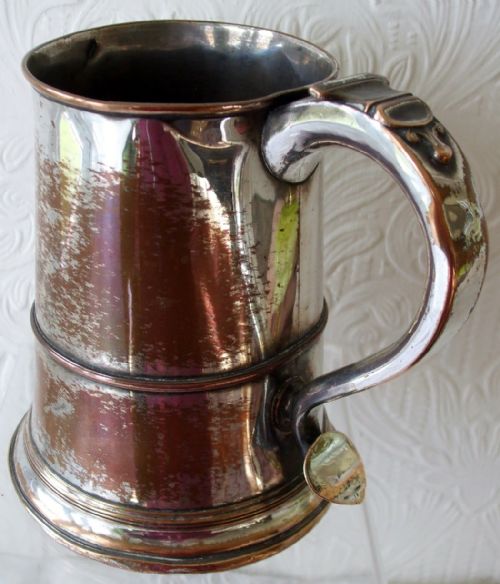
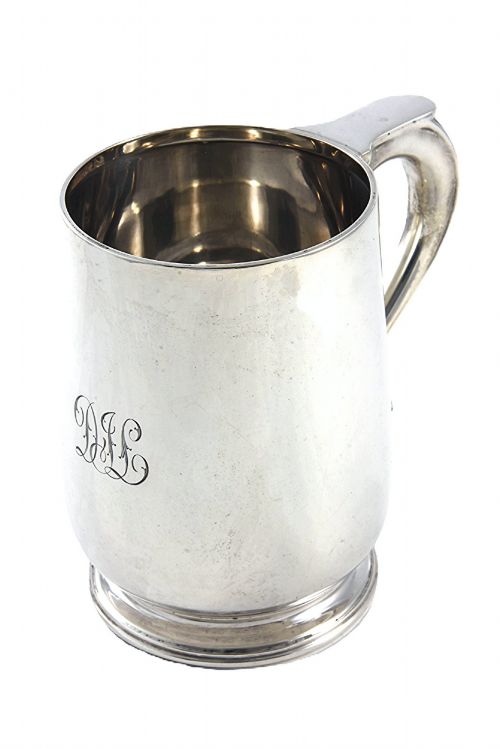
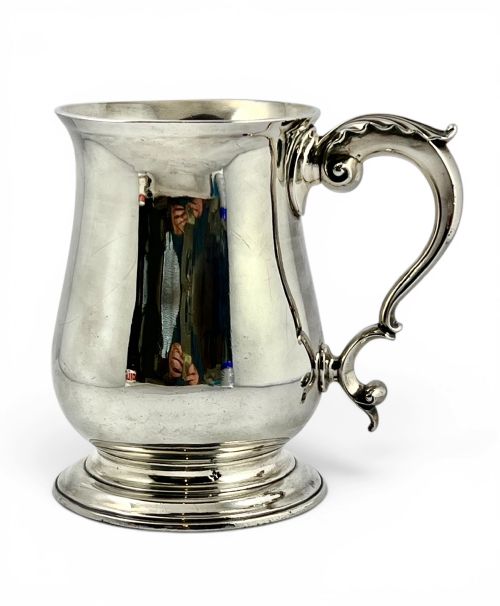
An antique silver beer mug is a robust drinking vessel in sterling silver, prized for its tactile weight and historic craftsmanship.
What an antique silver beer mug is
When you search for an antique silver beer mug, you are looking at substantial drinking vessels that served households and taverns over centuries. The pieces available span several distinct eras, connecting the modern user directly to historical domestic rituals.
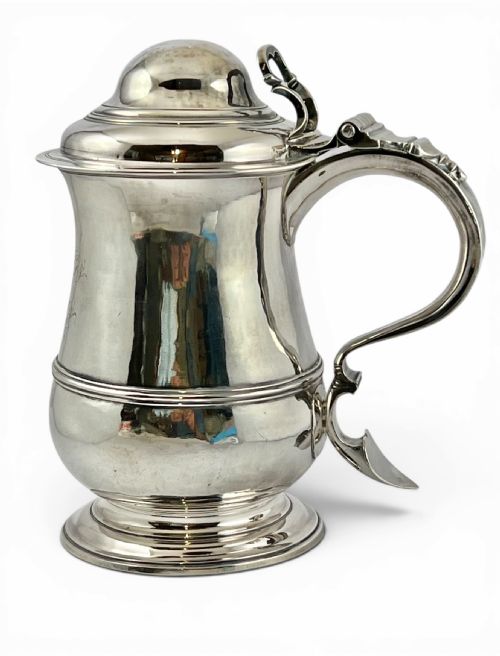
The versions you are most likely to meet on this page take the form of tankards. These objects emerge primarily from the seventeenth and eighteenth centuries, alongside examples from the early nineteenth century.
Originating in England with assay offices like London and Newcastle, these vessels demonstrate the traditional forms associated with Georgian and Charles II styles. Each piece reflects the beverage culture of its specific period.
How they were made
The construction of these drinking vessels relies entirely upon solid sterling silver. Silversmiths hammered and shaped the metal to create sturdy cylindrical bodies capable of holding liquids.
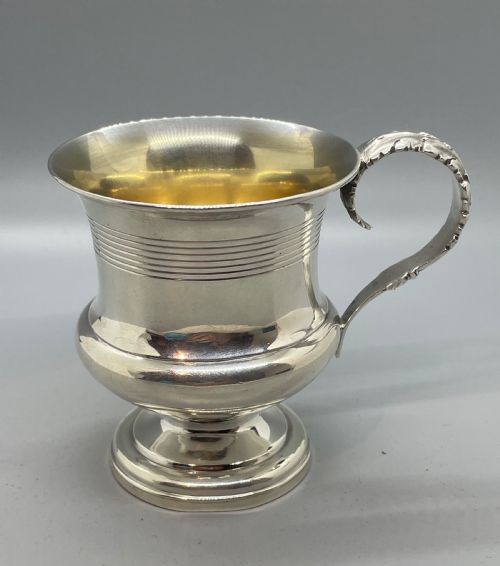
Selected pieces feature the application of gold gilt to enhance the interior or decorative details. The integration of handles and secure bases required advanced metalworking techniques.
Retail Price Guide 2026
Typical UK retail prices for silver beer mug, calculated from the Sellingantiques database of over a million retail prices indexed since 2003. This retail price guide relies exclusively on Sellingantiques data; no external sources or auction records are used, so the figures do not describe the wider market.
The listings span the 17th century, the 18th century, and the 1900s, utilising sterling silver and gold gilt.
What varies in quality
The distinction between standard examples and the finest items lies in the crispness of the silversmith's marks and the integrity of the form. Heavier gauge sterling silver provides a more substantial hand-feel that elevates the object.
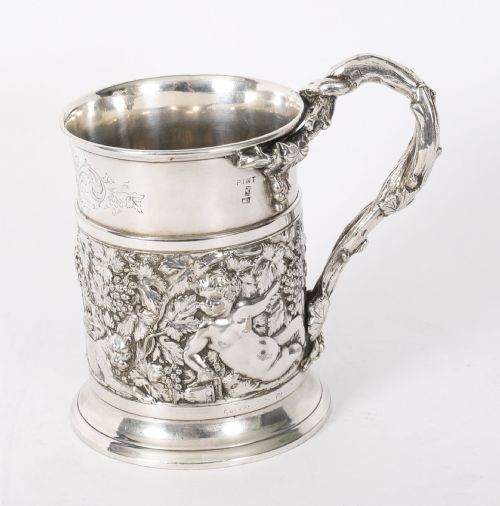
Subtleties in the hand-hammered surface texture and the balance of the applied handle separate ordinary production from superior historical output. The clarity of period hallmarks further anchors the pedigree of the better examples.
Barker Brothers
The Antique Silver Beer Mug Glossary
- Tankard
- A tall, cylindrical drinking vessel featuring a single handle and sometimes a hinged lid. This form represents the primary shape found among historical silver drinking vessels.
- Sterling silver
- An alloy of silver containing ninety-two point five percent pure silver and seven point five percent other metals, usually copper. This standard ensures the durability required for functional drinking vessels.
- Hallmark
- An official stamp applied by an assay office to indicate the purity of the metal, the maker, and the year of production. These marks provide the definitive record of a piece's origin.
- Gold gilt
- A thin layer of gold applied to the surface of the silver, often used on the interior of drinking vessels. This technique protected the silver from tarnishing through contact with beverages.
Frequently Asked Questions
How do I clean an antique silver beer mug?
Maintenance requires gentle washing with warm water and mild soap, followed by drying with a soft cloth. Avoid harsh chemical dips that strip the natural historical patination.
Regular handling helps maintain a natural sheen without damaging the underlying sterling silver or any gold gilt interior surfaces.
Can I drink beer from these tankards today?
These vessels were originally designed and used for consuming beer and ale in domestic settings. Many owners continue to use them for special occasions.
Ensure the interior is thoroughly cleaned before use, and note that modern acidic beverages should not be left sitting in the vessel for extended periods.
How do I identify the date of a silver tankard?
Dating relies heavily on the stamped hallmarks located on the body or handle of the vessel. Assay office symbols and date letters correspond to specific active years of production.
Stylistic cues such as the shape of the handle and the proportion of the body also help narrow down whether a piece belongs to the seventeenth or eighteenth century.
What is the difference between a mug and a tankard?
In historical terminology, the terms often overlap when describing cylindrical drinking vessels with handles. Tankards traditionally denote the larger, heavier forms intended for ale.
Pieces listed in this category encompass these robust forms, reflecting the changing nomenclature of drinking vessels across the Georgian and earlier periods.