


Georgian Silver Christening Cup
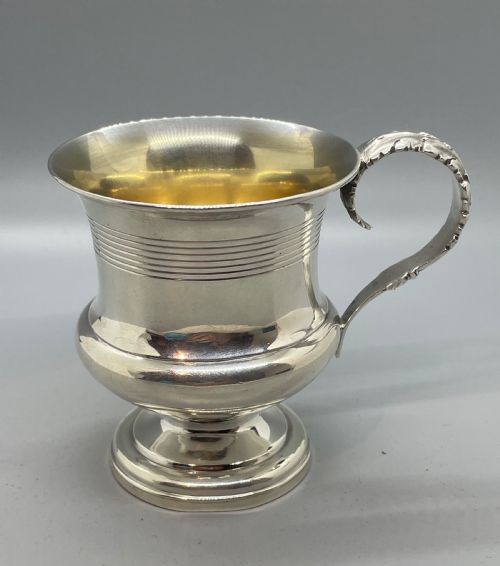
A georgian silver christening cup is a small, solid vessel of historical significance, given to mark a child's birth or baptism and treasured for generations.
Georgian Silver Christening Cup
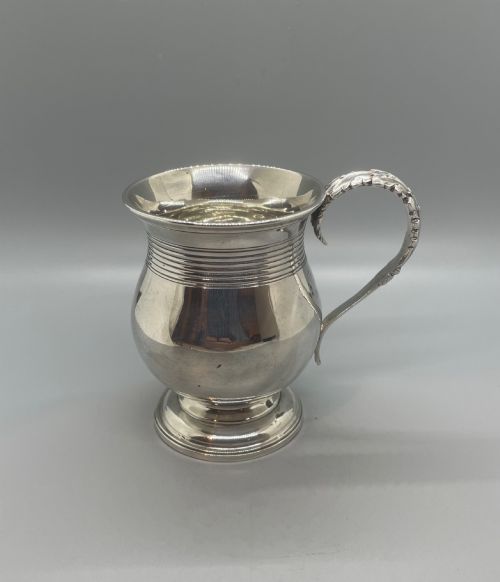
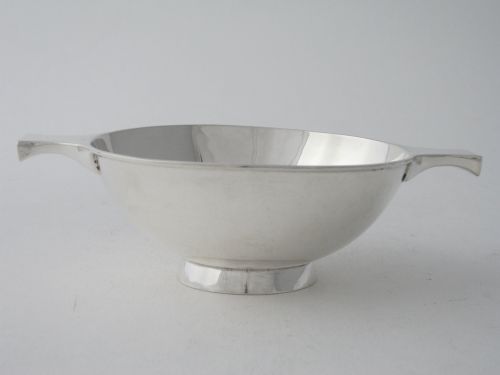
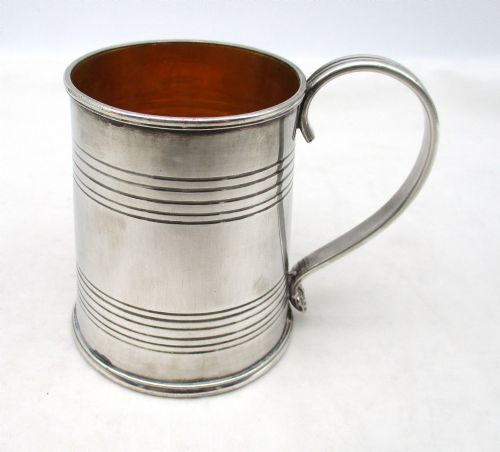
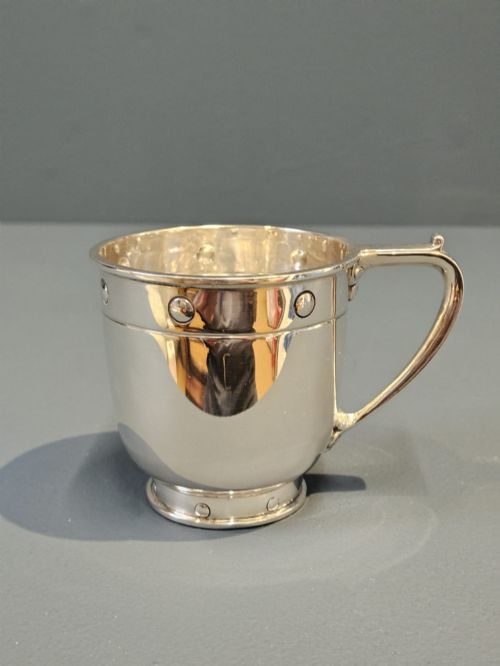
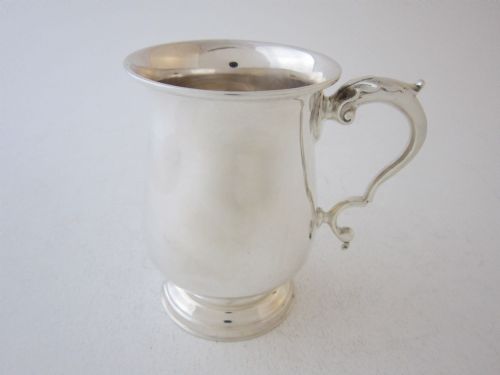
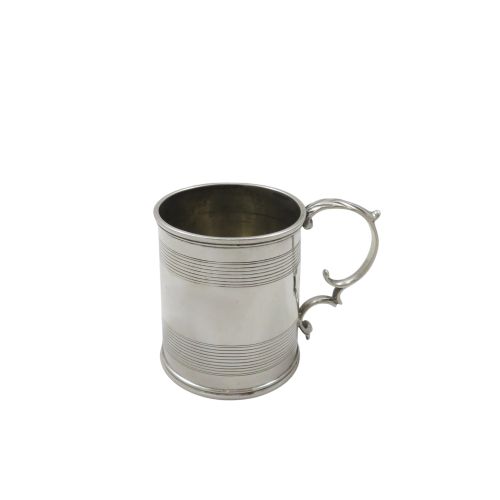
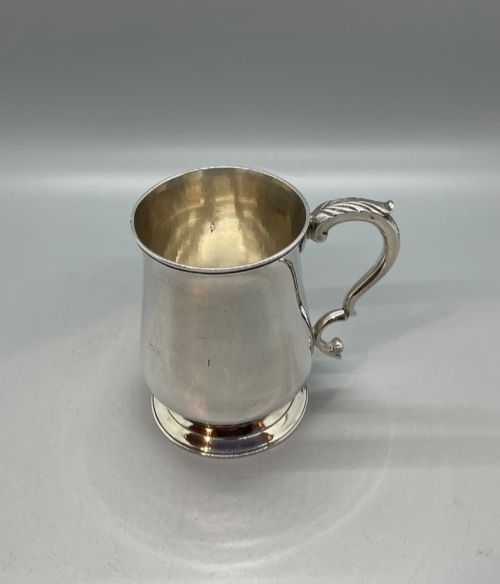
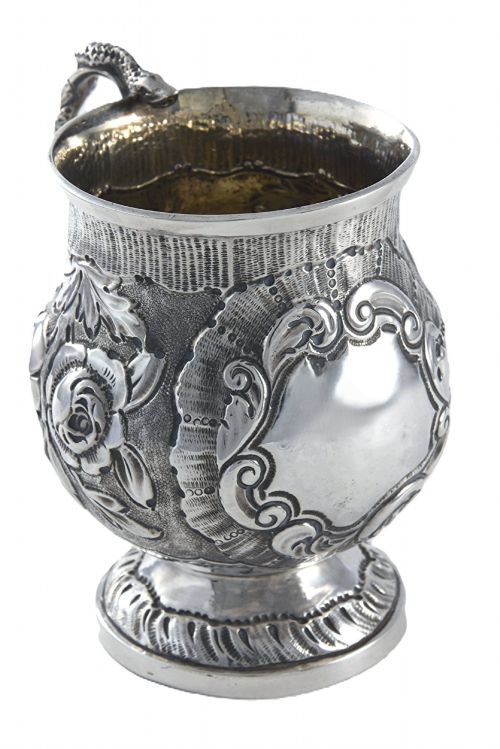
A georgian silver christening cup encompasses small drinking vessels, tankards, mugs, and porringers intended for children, though many examples date from subsequent periods including the Victorian era and the reign of George V. The forms range from simple baluster shapes to two-handled porringers and tankards, often bearing hallmarks that trace their origins to London and Birmingham.
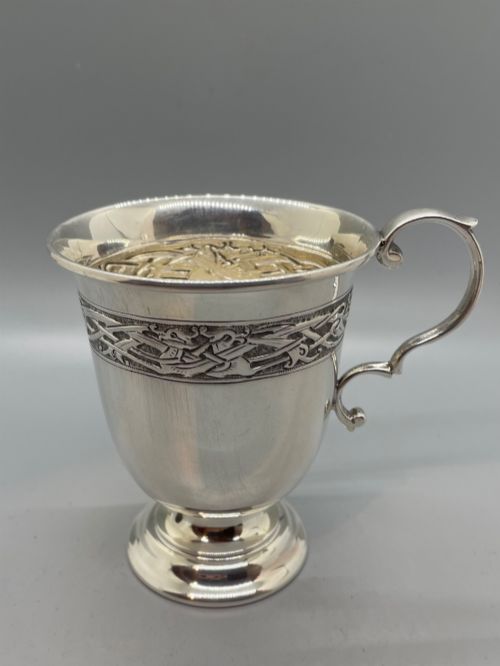
Most pieces seen on this page arrive from the broader Georgian and later eras, reflecting styles such as Rococo Revival alongside George III and George IV designs. Buyers frequently encounter smaller tankards and mugs produced in sterling silver or Old Sheffield plate, occasionally featuring gilt interiors or intricate scroll handles.
The historical function of these vessels was both decorative and practical, serving as a permanent gift for an infant. The selection includes dedicated christening mugs alongside versatile pint mugs and beakers that share the same domestic heritage.
Materials and construction
The primary material across these listings is sterling silver, supported by solid silver and Old Sheffield plate, which combines copper and silver layers. Gold gilt and silver-gilt treatments appear on interior surfaces, adding a layer of contrast to the metalwork.
Manufacturing techniques evident in the pieces include hand engraving, such as foliate or scroll motifs, and the formation of baluster bodies with applied handles. Makers shaped these vessels using traditional smithing methods, often finishing them with cast or soldered handles in the rococo scroll style.
Some tiny tankards were clearly sized for a thirsty toddler with very important social engagements.
Distinctions in quality
Quality in these vessels rests on the crispness of the original chasing and engraving, where deeply cut scrolls and clear maker's marks indicate superior workshop standards. Finer pieces maintain substantial weight in the hand, showing a thickness of metal that resists denting and distortion.
The integrity of the construction, from the seamless attachment of the handle to the balance of the baluster form, separates standard utilitarian items from exceptional examples. Furthermore, the preservation of original gilding inside the cup indicates a higher grade of initial commission.
Barker Bros·William Bateman
The Georgian Silver Christening Cup Glossary
- Sterling silver
- An alloy consisting of 92.5 percent silver and 7.5 percent other metals, usually copper, chosen for durability in tableware. This standard has been legally regulated for centuries.
- Old Sheffield plate
- A composite material made by fusing a thin sheet of silver to a thicker copper base, common in items predating electroplating. It can reveal faint traces of copper along exposed edges.
- Porringer
- A small, deep bowl with one or two horizontal flat handles, used in earlier periods for porridge or broth and later adopted as a christening gift. The two-handled variety is particularly traditional.
- Baluster
- A vertical architectural form with a swelling lower portion tapering toward the top, frequently seen in the profile of these mugs and tankards. This shape provides a stable base and a comfortable grip.
- Silver-gilt
- Silver that has been coated with a thin layer of gold on its surface, often applied to the interior of drinking vessels to prevent the metallic taste of silver. This finish produces a warm yellow tone.
Georgian Silver Christening Cup: Frequently Asked Questions
What is a christening cup?
A christening cup is a small drinking vessel traditionally presented to an infant to mark a baptism or birth. These pieces were often kept as lifelong mementos of the occasion.
Over time, many of these cups transitioned from usable tableware into display pieces or family heirlooms. Their smaller scale reflects their original purpose for children's hands.
How do I identify the period?
The period of a silver cup is typically identified through official hallmarks stamped into the metal, which record the assay office, date letter, and maker's mark. Stylistic clues such as baluster shaping or rococo scroll handles also point to specific eras.
Comparing the engraved decoration and manufacturing technique against known historical styles helps narrow down the decade of production. Documentation or clear town marks further confirm the timeline.
Can these cups still be used?
Many of these silver vessels remain structurally sound and capable of holding liquids, particularly solid sterling silver examples. However, collectors often choose to display them rather than use them daily to preserve their condition.
Pieces featuring Old Sheffield plate or delicate gilding require gentle care if handled, as aggressive cleaning can wear away the thin surface layers over time.
What is Old Sheffield plate?
Old Sheffield plate is an early form of plated metal created by fusing a sheet of silver onto a copper core under high heat. This method produces a durable material that predates modern electroplating techniques.
Under magnification or along worn edges, the underlying copper may peek through the silver layer. This characteristic helps distinguish these historical plated items from solid silver pieces.