


Silver Christening Present
A silver christening present marks a childhood milestone with enduring metal, and the pieces gathered here range from Georgian tankards to Edwardian cups.
What these pieces are
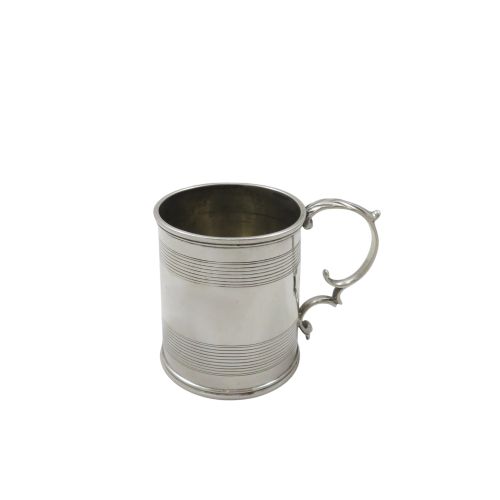
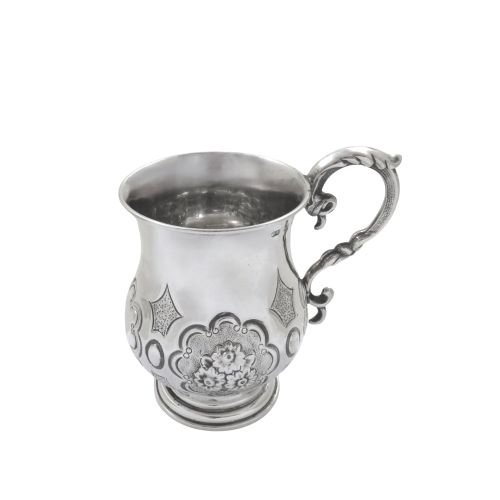
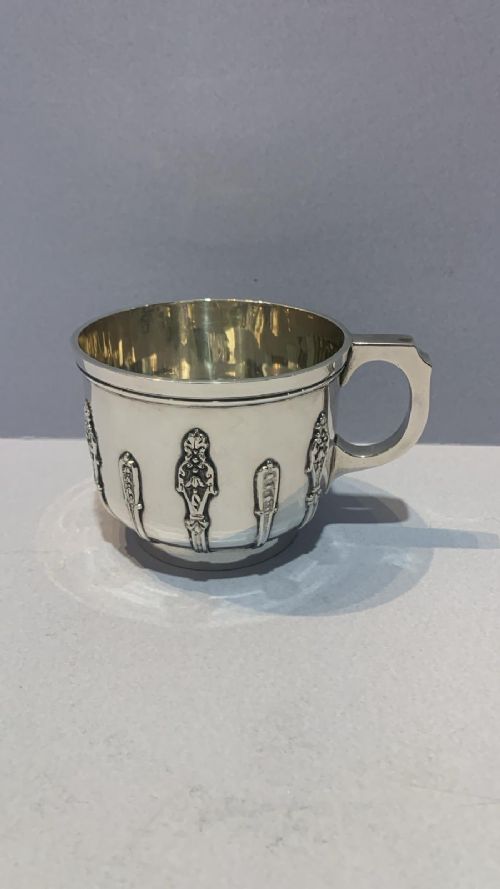
A silver christening present takes the form of a mug, tankard, cup, or a boxed multi-piece set designed to mark an infant's baptism. These items serve as tangible commemorations passed down through generations within families.
The selections available here span the Georgian, Regency, and Edwardian eras, with sterling silver mugs and tankards forming the core of the inventory. Buyers encounter individual vessels alongside complete presentation sets housed in original cases.
Most examples date from the nineteenth and early twentieth centuries, reflecting the traditional practice of commissioning bespoke silver for newborns. The forms follow utilitarian drinking vessels scaled down for infant use.
How they were made
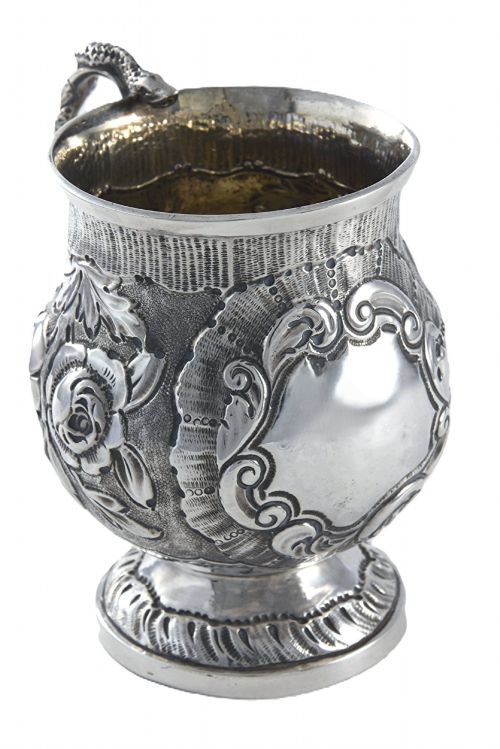
Silversmiths shaped these pieces from sterling silver, occasionally applying a gold wash known as silver-gilt to the interior surfaces of mugs and cups. Metalworking techniques included raising from a flat sheet, casting handles, and hand-engraving decorative motifs.
Finer sets incorporate fitted presentation cases lined with materials such as silk and leather to protect the metal within. These protective enclosures demonstrate the collaborative work of silversmiths and specialist case-makers.
Retail Price Guide 2026
Typical UK retail prices for silver christening present, calculated from the Sellingantiques database of over a million retail prices indexed since 2003. This retail price guide relies exclusively on Sellingantiques data; no external sources or auction records are used, so the figures do not describe the wider market.
Listings on this page span the Georgian, Regency, and Edwardian periods, utilising sterling silver, silver-gilt, leather, and silk.
What varies in quality
Quality rests on the crispness of the hand-engraving, the ergonomic balance of the applied handle, and the weight of the sterling silver used in the body. Pieces bearing distinct silversmith marks and clear assay office stamps command greater attention.
The survival of original presentation boxes lined in silk and leather elevates the desirability of a set. Superior craftsmanship shows in the seamless integration of cast details and the even application of silver-gilt.
William Bateman
The Silver Christening Present Glossary
- Sterling silver
- A standard alloy consisting of 925 parts silver per thousand, ensuring durability in household tableware and presentation pieces. This material forms the primary substance of nearly all items on this page.
- Silver-gilt
- A layer of gold applied to the surface of a silver object, often seen inside christening mugs. This treatment protected the metal from acidic liquids and added a rich visual contrast.
- Tankard
- A tall, cylindrical drinking vessel featuring a single handle, traditionally produced in heavy silver during the Georgian period. Smaller versions served specifically as presentation pieces for infants.
- Assay office
- An official body responsible for testing the purity of precious metals and stamping them with hallmark guarantees. Marks from London provide precise verification of date and maker.
Frequently Asked Questions
How were these silver mugs used?
While intended as commemorative keepsakes for infants, many christening mugs were robust enough for actual daily use during nursery meals. Over time, however, most transitioned purely into decorative display pieces.
Precious metal vessels marked significant family milestones and were frequently engraved with the child's initials and birth date.
How do I identify a Georgian christening mug?
Georgian christening mugs and tankards display classical proportions, robust sterling silver construction, and often detailed hand-engraving across the body. They date from the reigns of George III through George IV.
Examining the hallmarks stamped into the silver reveals the exact year of production and the assay office responsible for testing the metal.
Are presentation boxes original to the sets?
Many Edwardian and later christening sets survive with their fitted presentation boxes intact, lined with materials like silk and leather. These cases protected the silver from tarnish and physical damage.
Original boxes feature custom recesses tailored precisely to the shape of the mugs and accompanying silver utensils.