


Georgian Silverware
Georgian silverware brings functional elegance to the table, offering collectors durable sterling silver teapots, ladles and sugar bowls crafted for daily dining.
Georgian Silverware
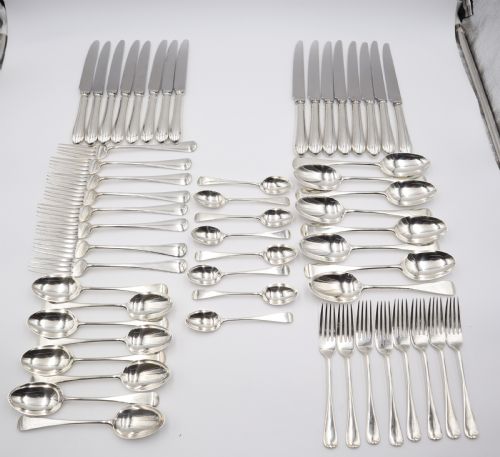
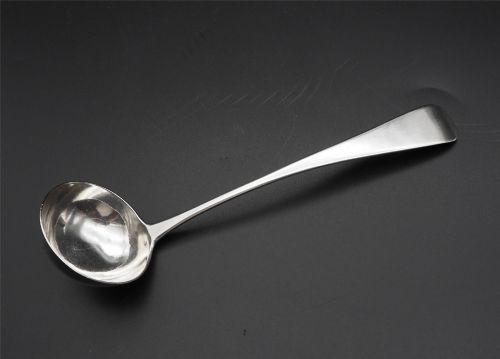
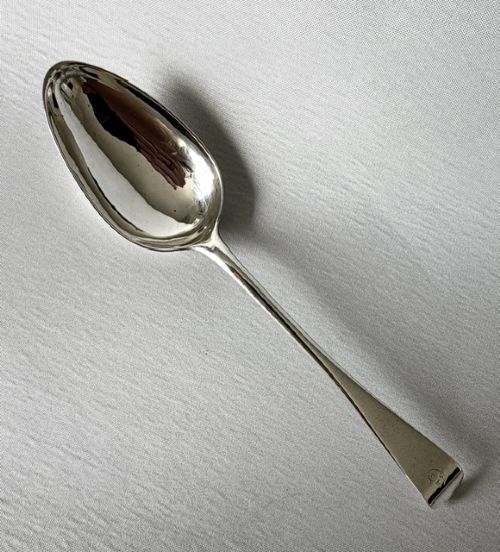
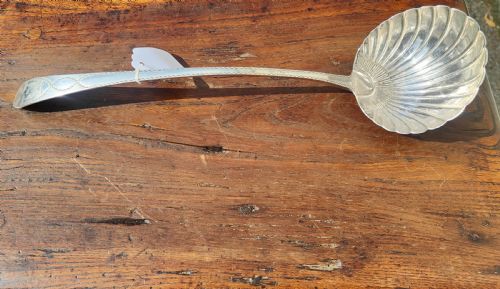
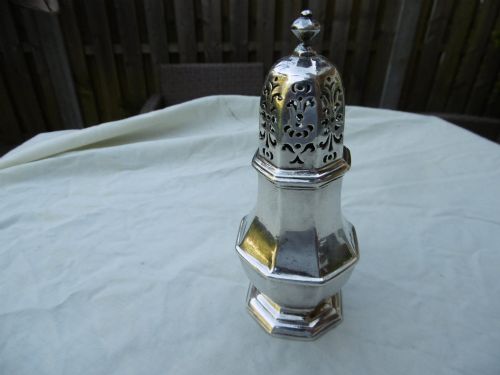
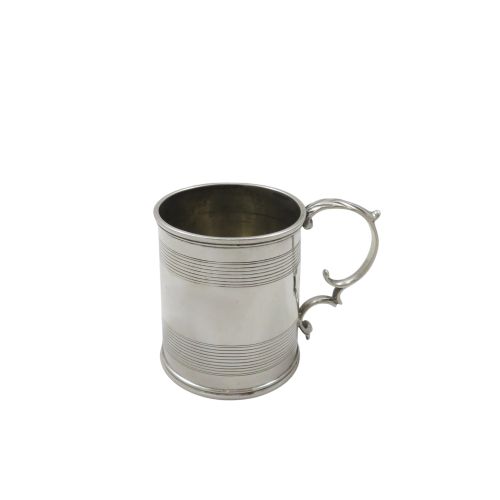
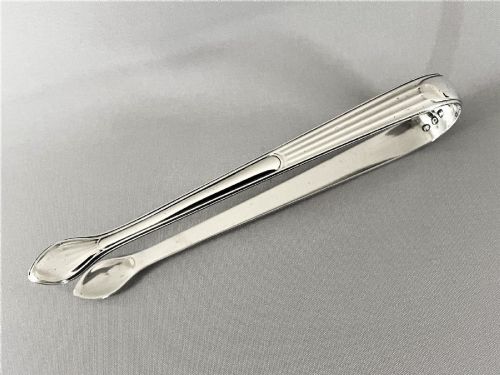
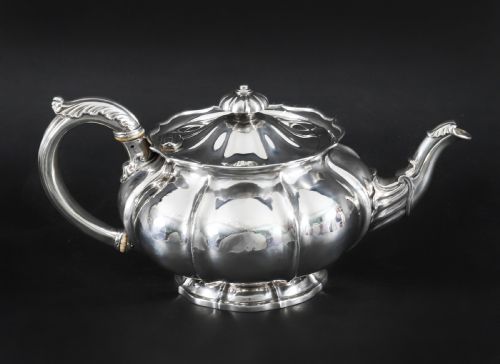
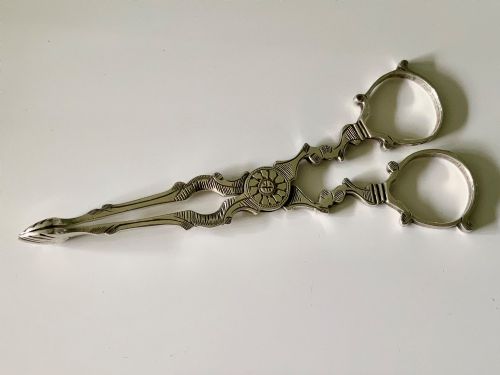
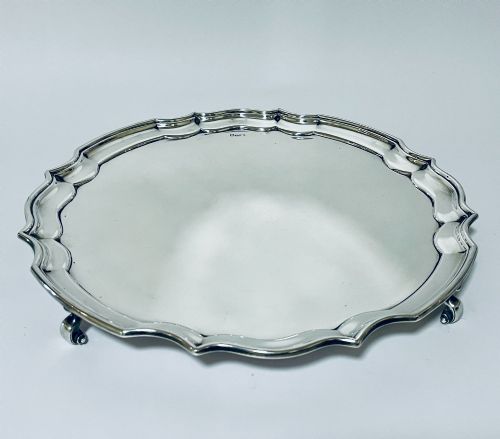
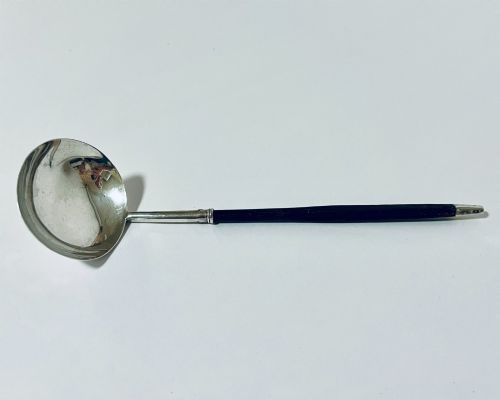
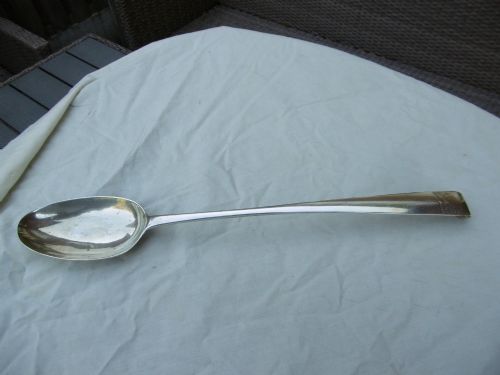
When you search for georgian silverware, you encounter an array of functional dining items, serving utensils, and decorative vessels from the eighteenth and early nineteenth centuries. The pieces on this page span tea pots, cream jugs, sugar tongs, salt cellars, marrow scoops, and substantial ladles alongside later revivals.
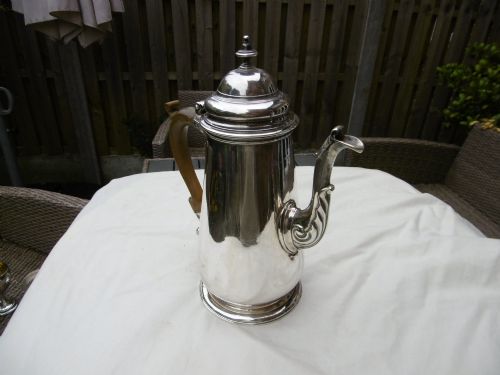
You are most likely to meet sterling silver flatware and hollowware originating from English, Scottish, and Irish makers, alongside occasional silver plate items. The selection ranges from plain domestic tablespoons to ornate caddy spoons and heavy coffee pots bearing provincial or London hallmarks.
How they were made
Makers shaped sterling silver and silver plate through hammering, casting, and piercing, often combining metals like steel for knife blades or incorporating wood handles on coffee pots. Craftspeople utilised bone for insulation on specific utility pieces and occasionally integrated mahogany for storage boxes.
The fabrication relies on traditional silversmithing techniques, evidenced by hand-hammered body panels, soldered joints, and engraved crests. Workshops marked their output with town marks, maker initials, and standard lion passant guarantees.
Listings feature sterling silver, silver plate, wood, mahogany, steel, brass, and bone across eighteenth, nineteenth, and twentieth-century periods.
What varies in quality
The distinction between standard domestic items and high-end pieces rests upon the crispness of the hallmarks, the weight of the sterling silver, and the restraint of the decoration. Master silversmiths achieved superior balance in handles and precise alignment in hinged lids.
Provenance and regional origin heavily influence distinction, with Scottish provincial and Dublin pieces often commanding strong interest due to limited regional output. The clarity of engraved armorial crests and the integrity of original chasing further separate ordinary utility items from superior examples.
Bateman Family·Paul Storr·Richard Gurney·John Craig·William Ferguson·James Tookey·Barker Brothers
The Georgian Silverware Glossary
- Hallmark
- Official stamps struck into precious metals to guarantee purity, origin, and year of manufacture. These marks provide the primary evidence for dating older pieces.
- Caddy spoon
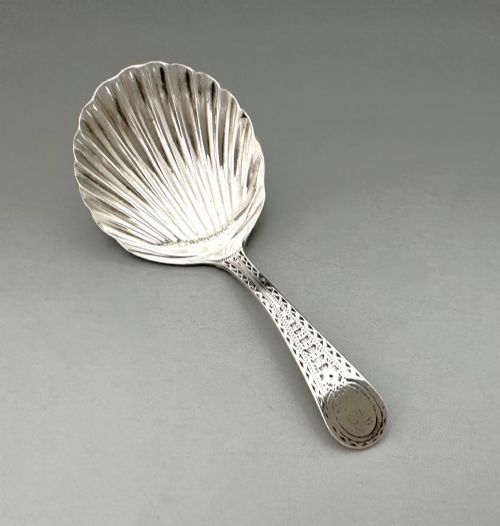
- A short-handled spoon specifically designed for measuring loose tea leaves from a storage caddy. They often feature shell bowls and delicate handle piercing.
- Marrow scoop
- A narrow, elongated utensil with shallow troughs at both ends used for extracting marrow from bones. Wealthy households utilised them during formal Georgian dining.
- Hollowware
- Table vessels such as teapots, coffee pots, cream jugs, and sugar bowls formed from sheet metal rather than solid bars. They require skilled raising and soldering.
- Provincial silver
- Items made and hallmarked outside London in regional assay offices such as Newcastle, Edinburgh, or Chester. These pieces often display distinct local stylistic traits.
Georgian Silverware: Frequently Asked Questions
How do I clean antique silver?
Use a soft microfiber cloth and a mild, non-abrasive silver cleaning solution designed for heritage metals. Avoid harsh chemical dips that strip away natural patination and damage soldered joints.
Store pieces in dry conditions away from direct sunlight to minimise tarnishing. Regular, gentle dusting prevents the build-up of residues in engraved crevices.
Can I use these items daily?
Many solid sterling silver utensils and teapots remain entirely suitable for contemporary dining and serving. Hand washing protects the structural integrity and prevents damage to wooden elements or hollow handles.
Avoid putting antique silver into modern dishwashers due to the high temperatures and harsh detergents. Proper care ensures these functional items last for further generations.
What is provincial silver?
Provincial silver refers to pieces manufactured and marked outside of London in regional assay offices. Towns like Newcastle, Edinburgh, and Chester produced distinct local styles.
Collectors often seek provincial pieces due to their relative scarcity compared to capital output. The maker marks frequently link directly to small, independent regional workshops.
How do I read hallmarks?
Hallmarks typically include a maker mark, a standard purity mark like the lion passant, a town mark indicating the assay office, and a date letter. Together these symbols provide a precise record of origin.
Reference books and online registry tables help decode the specific letter shapes and shield outlines. Faded marks still offer vital clues regarding the workshop history.