
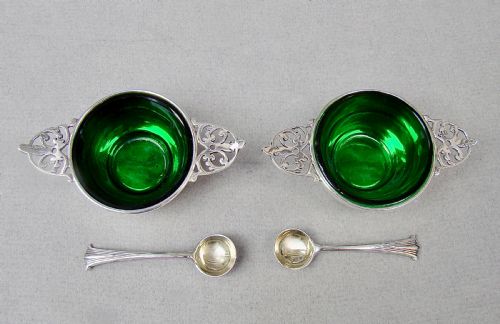


Georgian Open Salt
When you handle a georgian open salt, you hold a miniature vessel designed to sit on the dining table and hold loose salt before individual shakers took over.
Georgian Open Salt
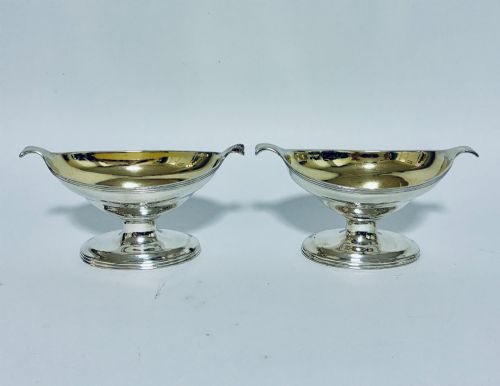
A georgian open salt takes several forms on the table, ranging from boat-shaped receptacles and traditional cauldron shapes to trencher salts and wirework condiment tubs. These pieces served the formal dining table during the eighteenth and nineteenth centuries, holding salt that guests pinched or spooned onto their plates.
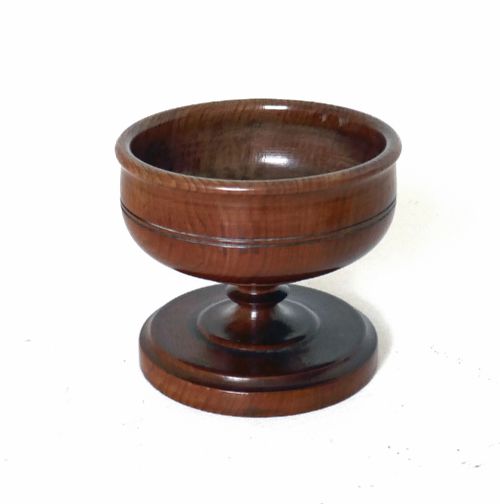
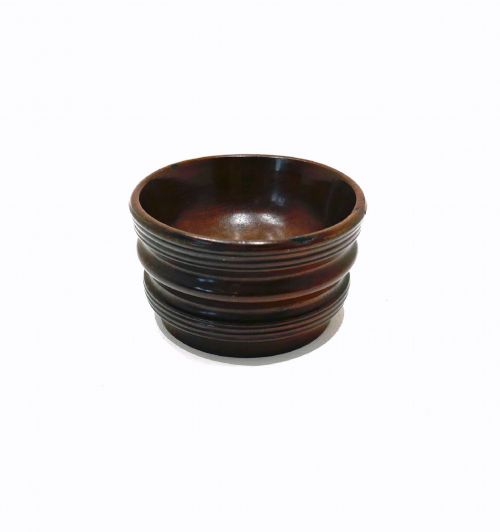
The versions most commonly met on this page include sterling silver examples alongside cut glass, lead crystal, and earthenware forms like English delftware and Mason's ironstone china. You will also encounter turned treen pieces in yew wood and laburnum from the late eighteenth century.
Most items originate from English, Scottish, and Irish workshops, spanning periods from the early Georgian era through the Regency, William IV, and Edwardian revivals. They frequently appear as pairs or larger sets intended for symmetrical table placement.
How they were made
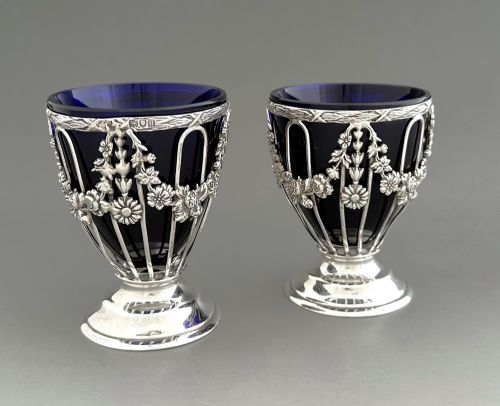
Silver salts were hammered, cast, or formed into wirework, often incorporating chased naturalistic flower designs, lion paw feet, and gilt interiors. Makers fitted many silver and boat-shaped table salts with original blue glass liners to protect the metal from corrosive salt.
Glass examples relied on heavy lead crystal or cut glass techniques, shaping material into draped swag designs, tubs, or salts with fitted saucers. Earthenware and ironstone variants utilised hand-painted blue and white glazes on moulded ceramic bodies.
Wooden treen salts were shaped on a lathe from yew wood or laburnum, creating turned vessels resting on raised bases. These diverse techniques reflect the material preferences of silversmiths, glassblowers, and turners alike.
Some nineteenth-century salts took the form of miniature silver quaichs, bringing Scottish drinking vessel traditions straight to the dining table.
What varies in quality
The standard of a georgian open salt rests upon the crispness of its casting, the depth of its glass cutting, or the clean precision of its wood turning. Superior examples display balanced proportions, whether standing on delicate feet or shaped into boat contours.
The presence of matching sets and original components elevates a piece, such as intact blue glass liners inside silver frameworks or fitted saucers accompanying cut glass bodies. Maker marks and clear hallmarks also distinguish finer metalwork from unmarked domestic items.
Material choice and surface treatment dictate visual depth, from the rich grain of turned laburnum and yew wood to the bright contrast of gold gilt interiors against heavy sterling silver.
Josiah Williams And Co·David Hennell·John Edmonstone·William Bateman·Paul Storr·Edward Wood·Joseph Angell I
The Georgian Open Salt Glossary
- Trencher salt
- A heavy, often thick-rimmed salt cellars designed to sit directly on the dining table without raised feet. These early forms typically date to the eighteenth century.
- Blue glass liner
- A removable insert placed inside open metal salts to prevent salt from touching and corroding the silver or metal body. They add vibrant colour contrast to openwork designs.
- Wirework
- Open metal construction formed from fine silver wires twisted and soldered into geometric or decorative patterns. Condiment tubs often utilised this technique.
- Ironstone
- A dense, durable ceramic paste developed in the nineteenth century as a robust alternative to porcelain. Mason's ironstone china is a common example seen in salt cellars.
Georgian Open Salt: Frequently Asked Questions
How were open salts used at the table?
Guests used small spoons or their fingers to pinch salt from the open vessel onto the side of their dinner plates. Because individual salt shakers were not yet standard, these open cellars sat at intervals along the dining table.
Hosts often provided a matched set so that multiple diners could share access to the seasoning without passing heavy containers across the board.
Why do some silver salts have blue glass liners?
Saline moisture corrodes silver over time, leaving pitting and dark stains on the interior metal surfaces. Inserting a fitted cobalt or blue glass liner protected the precious metal while adding a striking splash of colour.
These liners lift out easily for washing, which kept the table setting hygienic during repeated use at formal meals.
What is a trencher salt?
A trencher salt is a sturdy, low-profile salt cellar that sits flat on the table without feet. They date predominantly to the eighteenth century and take circular, square, or octagonal forms.
Their heavy construction prevented them from tipping over easily during busy meals before lighter tableware became fashionable.
How do you tell Georgian glass salts from later copies?
Period glass exhibits characteristic weight, hand-cut facets with slight irregularities, and rich tonal qualities in materials like lead crystal or cobalt glass. Eighteenth and early nineteenth-century pieces show tool marks and pontil scars on the base where the glassblower's iron was snapped off.
Later reproductions often feel lighter, display uniform machine-moulded edges, and lack the soft wear patterns expected from long-term domestic use.
Can I still use antique salt cellars for dining?
You can use these pieces for dining provided you handle them with care and clean them immediately after use. Silver and plated metals should be washed by hand to preserve gilt interiors and delicate wirework.
Glass and ceramic cellars benefit from gentle warm water washing, avoiding abrasive scrubbers that might scratch aged surfaces or antique glazes.