
Antique Silver Salt Dish
An antique silver salt dish brings functional elegance to the table, combining precious metal with glass or gilt interiors.
Antique Silver Salt Dish
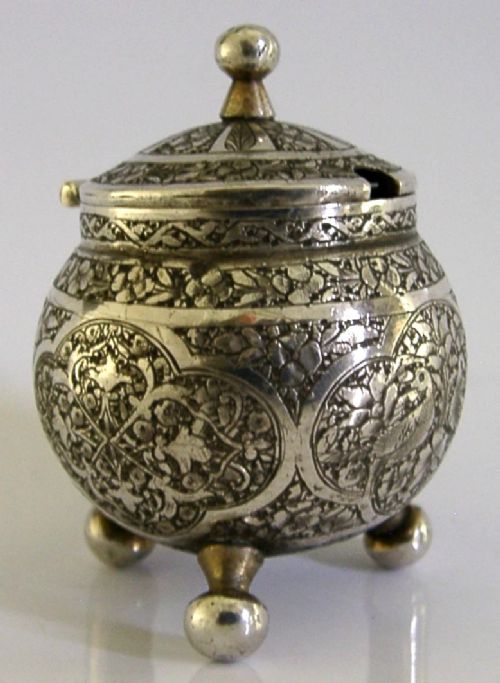
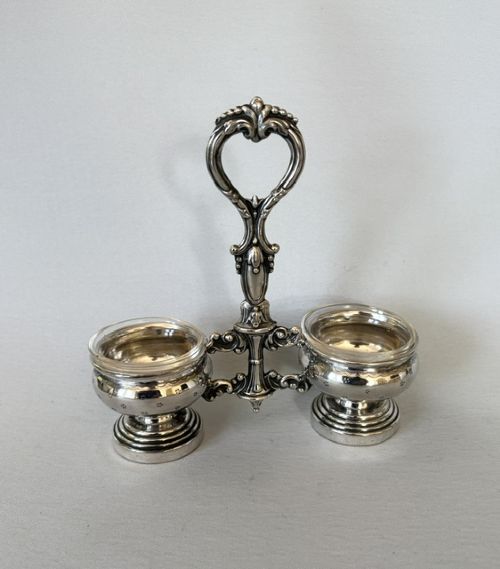
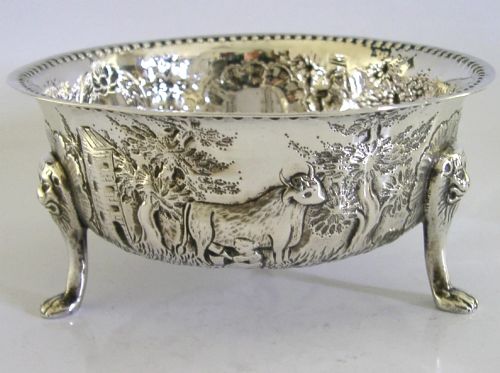
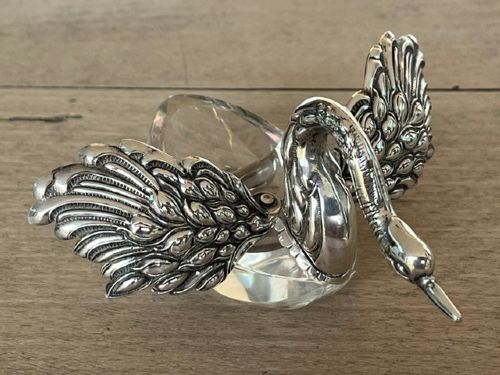
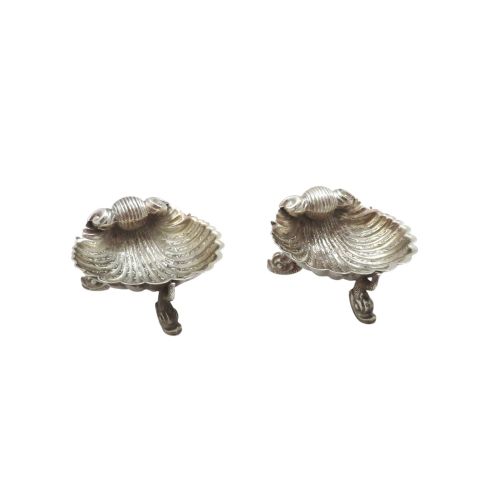
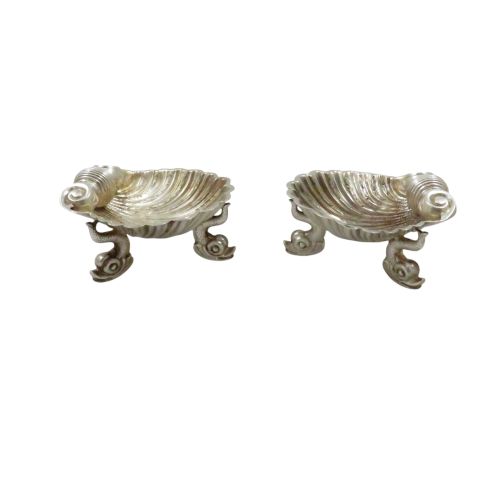
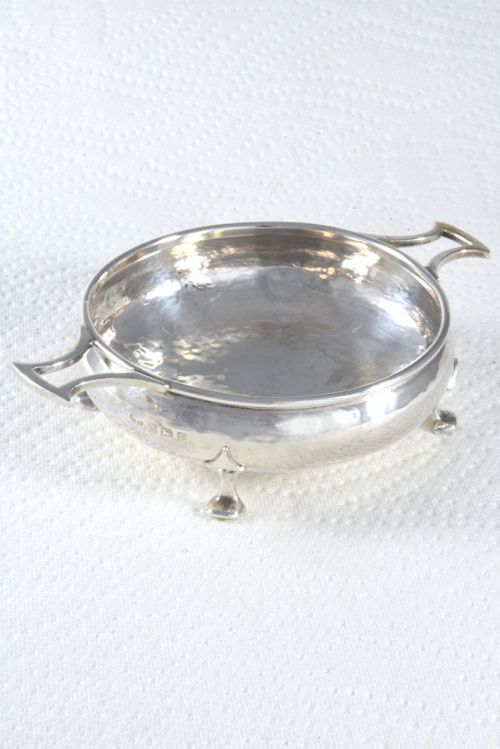
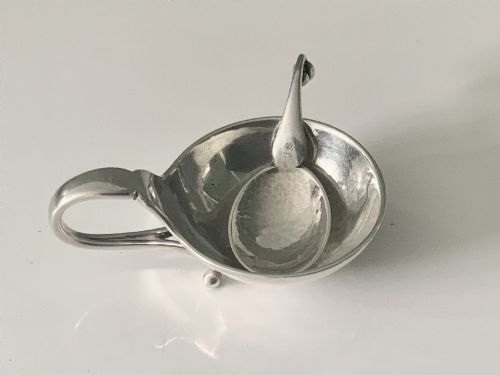
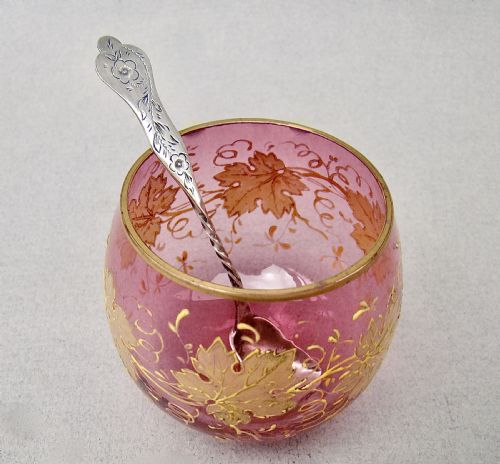
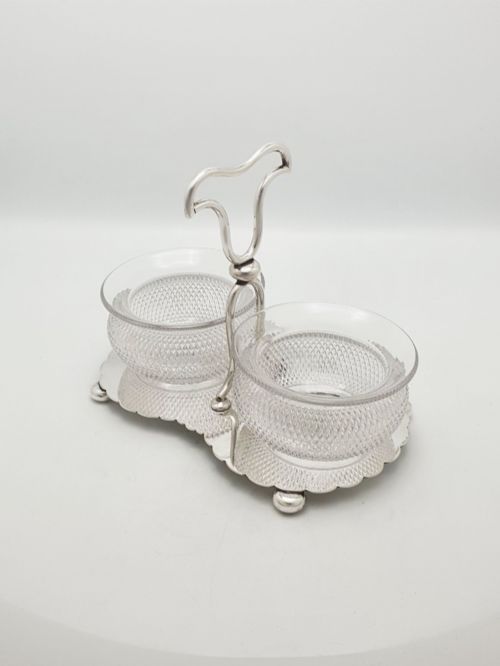
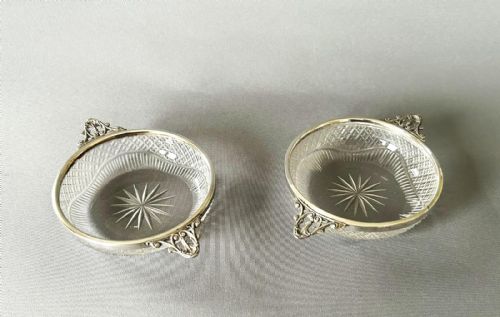
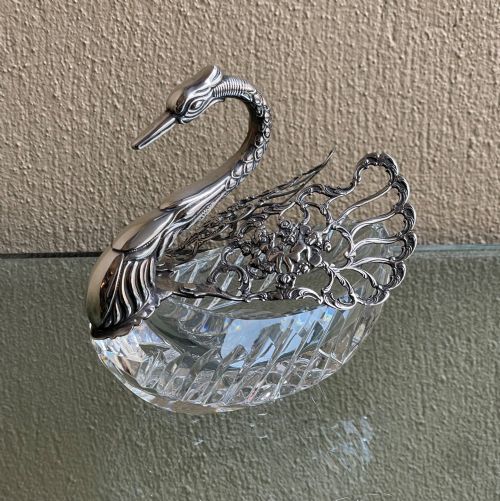
When searching for an antique silver salt dish, buyers encounter various forms ranging from open cellar designs to pedestal bowls and figural creations like swans or scallop shells.
The Victorian and Georgian periods dominate the selection, offering heavy cast pieces alongside delicate Edwardian tubs and later Art Deco items.
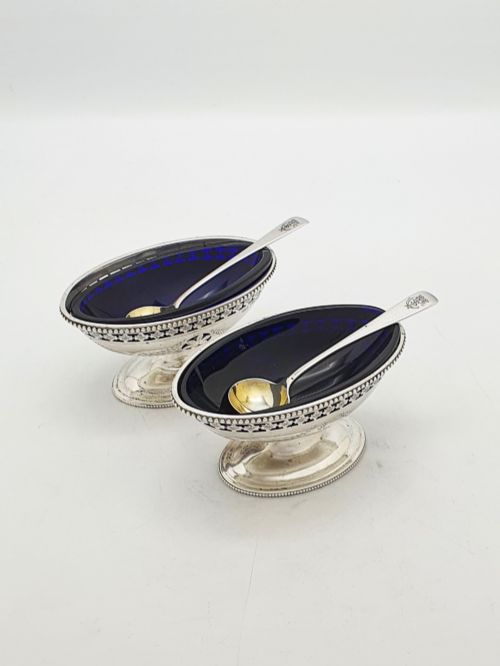
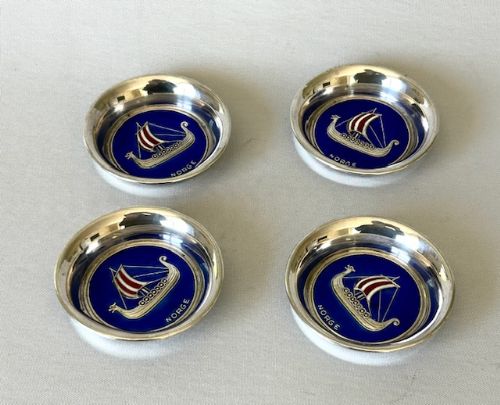
Many open cellars rely on contrasting inserts, pairing polished metal frames with cobalt glass or crystal liners to hold the seasoning.
Materials and construction
Silversmiths utilised sterling silver and silver plate for the structural bodies, often applying gilt interiors, known as vermeil, to protect the metal from the corrosive nature of salt.
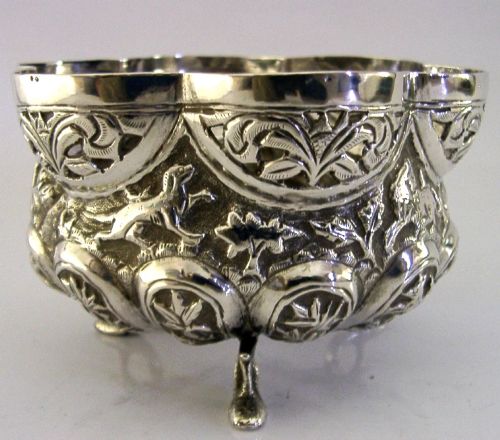
Decorative techniques include foliate chasing, repoussé work, and naturalistic casting, which produced detailed motifs such as dolphins, flowers, and mollusc shells.
Glass components were either blown, cut, or moulded, incorporating vibrant cobalt blue or clear crystal to sit neatly inside pierced or solid silver frames.
Listings feature items spanning from the Georgian era through the Victorian period up to mid-century designs.
Factors of distinction
The weight of the metal and the crispness of the chasing separate standard items from exceptional pieces produced by prominent silversmiths.
Completeness dictates value, particularly the presence of matching original glass liners and corresponding spoons that survived alongside the silver frame.
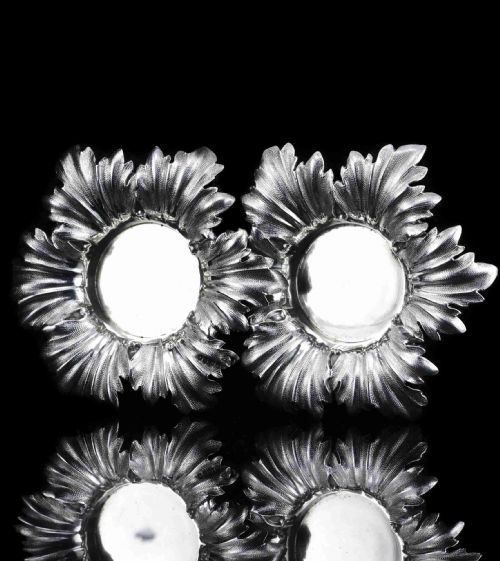
Cast figural elements require precise detailing in feathers, scales, or shell ribs, reflecting the skill of the original workshop.
Georg Jensen·Paul Storr·Edward Farrell·William Bateman·Thomas Smily·Stephen Smith
The Antique Silver Salt Dish Glossary
- Open salt
- A small table vessel designed to hold loose salt before the invention of the free-flowing shaker.
- Vermeil
- Sterling silver coated with a thin layer of gold on the interior surfaces.
- Repoussé
- A metalworking technique where the design is hammered into relief from the reverse side.
- Liner
- A removable glass or crystal insert placed inside an open salt cell to prevent direct contact between salt and silver.
Antique Silver Salt Dish: Frequently Asked Questions
How were salt dishes used at the dining table?
Dinners relied on open salt dishes placed near each setting or shared between guests, where individuals pinched salt using small spoons or fingers.
Wealthier households displayed elaborate master salts in the centre of the table while lesser cellars sat beside individual plates.
What is the difference between sterling silver and silver plate?
Sterling silver consists of an alloy containing a high standard of pure silver throughout the entire object, marked by traditional hallmarks.
Silver plate involves a thin layer of silver bonded over a base metal core, such as copper or brass.
Why do many salt dishes have blue glass inserts?
Cobalt blue glass liners provide a vivid colour contrast against polished silver while protecting the metal from chemical corrosion caused by salt.
These removable inserts also made the vessels much easier to clean after meals.
How can I identify the period of an antique salt?
Hallmarks stamped onto the metal provide assay office symbols, date letters, and maker's marks that pinpoint the exact year of manufacture.
Stylistic clues such as Rococo revival scrolls or Art Deco geometric lines further indicate the era in which the piece was made.